All producers
Bencze
Magyarország, Hungary8 wines3.7 avg
44
István Bencze's volcanic estate on Szent György-hegy above Lake Balaton - a former programmer who left IT for biodynamic farming, zero-zero winemaking, and near-extinct Hungarian varieties.
István Bencze was a programmer and IT entrepreneur who missed the spirit of the soil - specifically, his grandmother's garden. In 2011 he left his career and settled in a small house with vineyards on Szent György-hegy (St George's Hill), an extinct volcanic hill overlooking Lake Balaton in western Hungary. Not Somló (which is nearby but geologically and administratively distinct). The Balatonfelvidék - the Balaton Uplands.
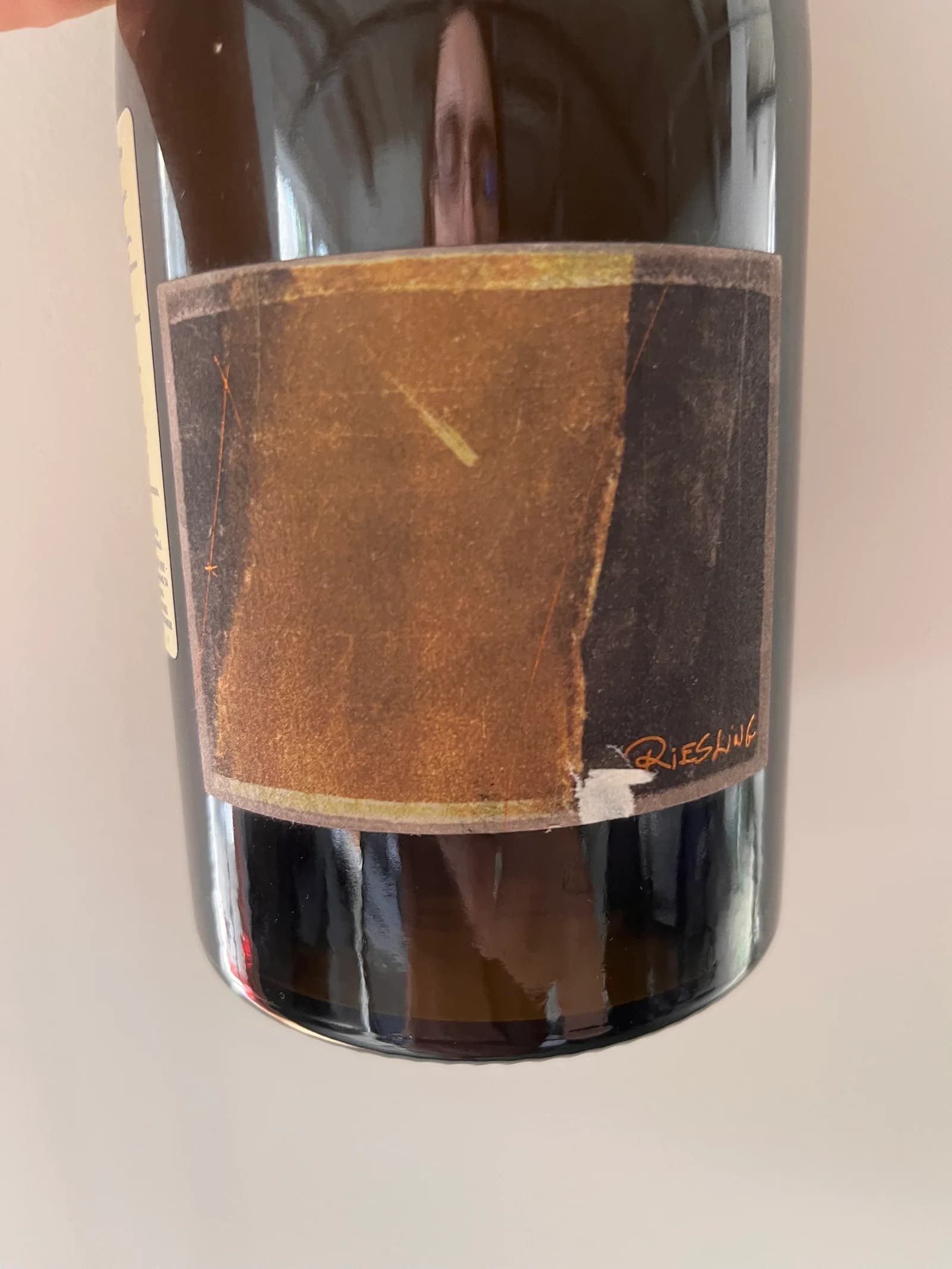
The estate now works around eighteen hectares on the southern slopes of the hill, on volcanic basalt and tuff soils. The wines carry tension and a mineral edge. The grape portfolio is unusually wide for Hungary: alongside the expected Furmint, Hárslevelű, and Kéknyelű, Bencze grows Pinot Noir, Riesling, Chenin Blanc (unusual for Hungary), Pinot Gris, Cabernet Sauvignon, Kékfrankos, the extremely rare heritage variety Bakator, and Rózsaszőlő. He began replanting with Furmint, Hárslevelű, Riesling, and Kéknyelű in 2015 to shift the balance toward indigenous varieties.
Organic from inception in 2011, biodynamic since 2014 (Demeter-certified), zero-zero since November 2017 - no added sulphur, no fining, no filtration. Spontaneous fermentation, gravity-based racking. Diverse vessel programme: terracotta amphora, oak barrels, concrete spheres, stainless steel. He harvests early for acidity-driven wines with a saline edge at low alcohol (eleven to twelve percent), a deliberate choice in a region historically inclined toward heavier styles.
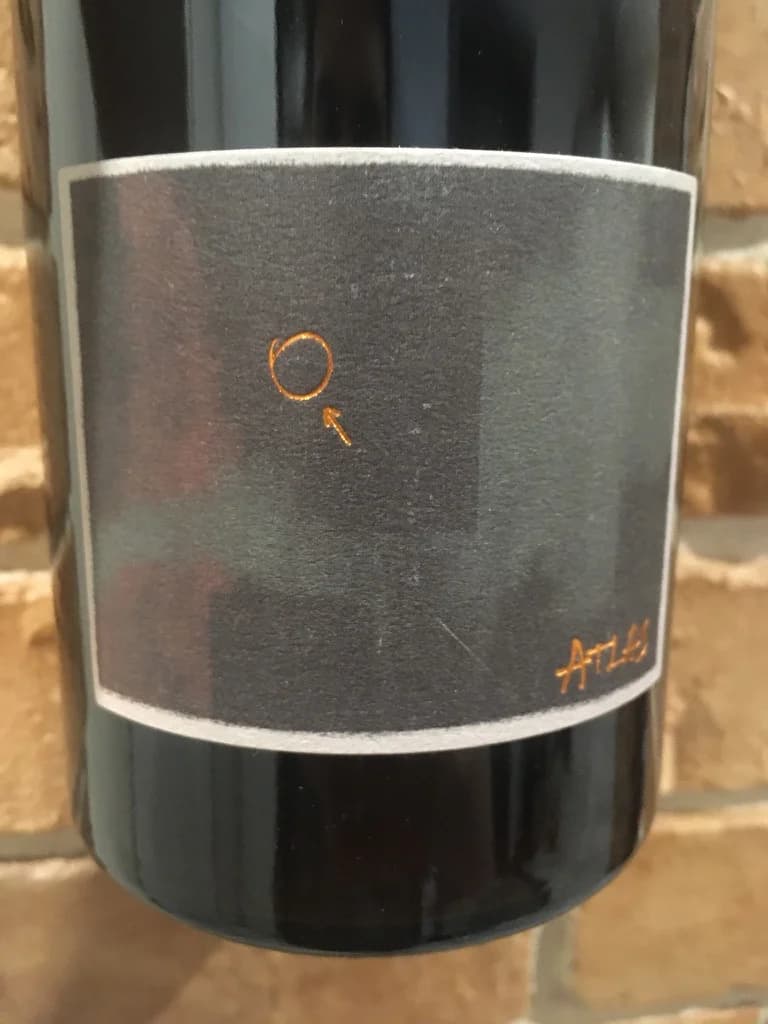
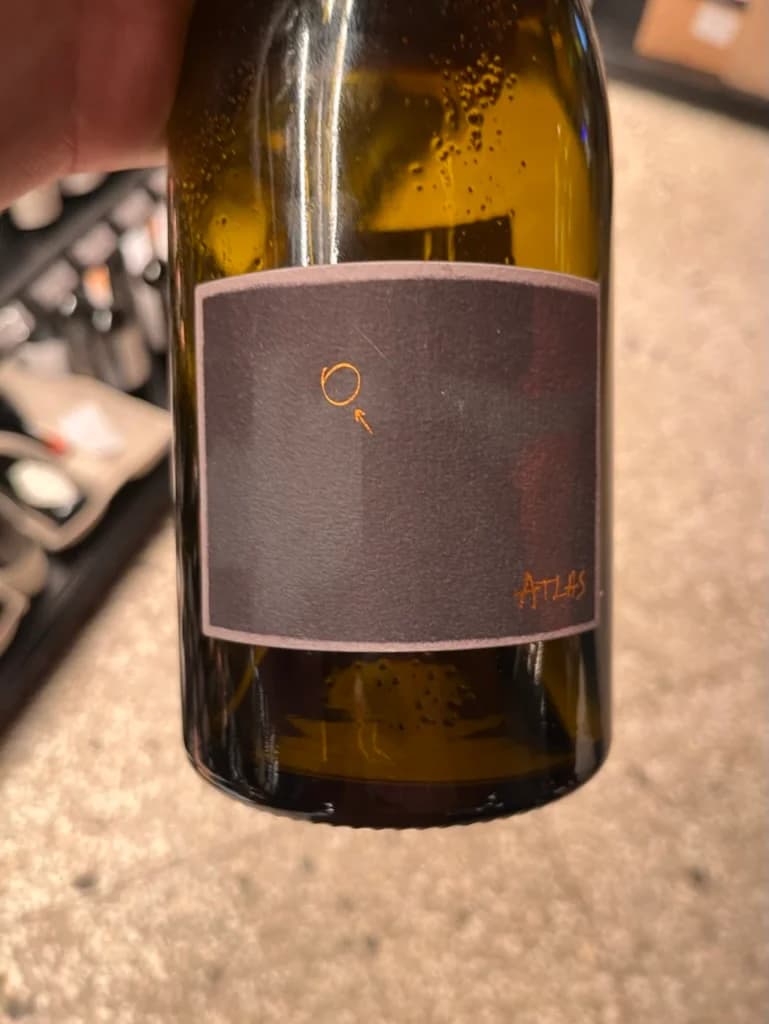
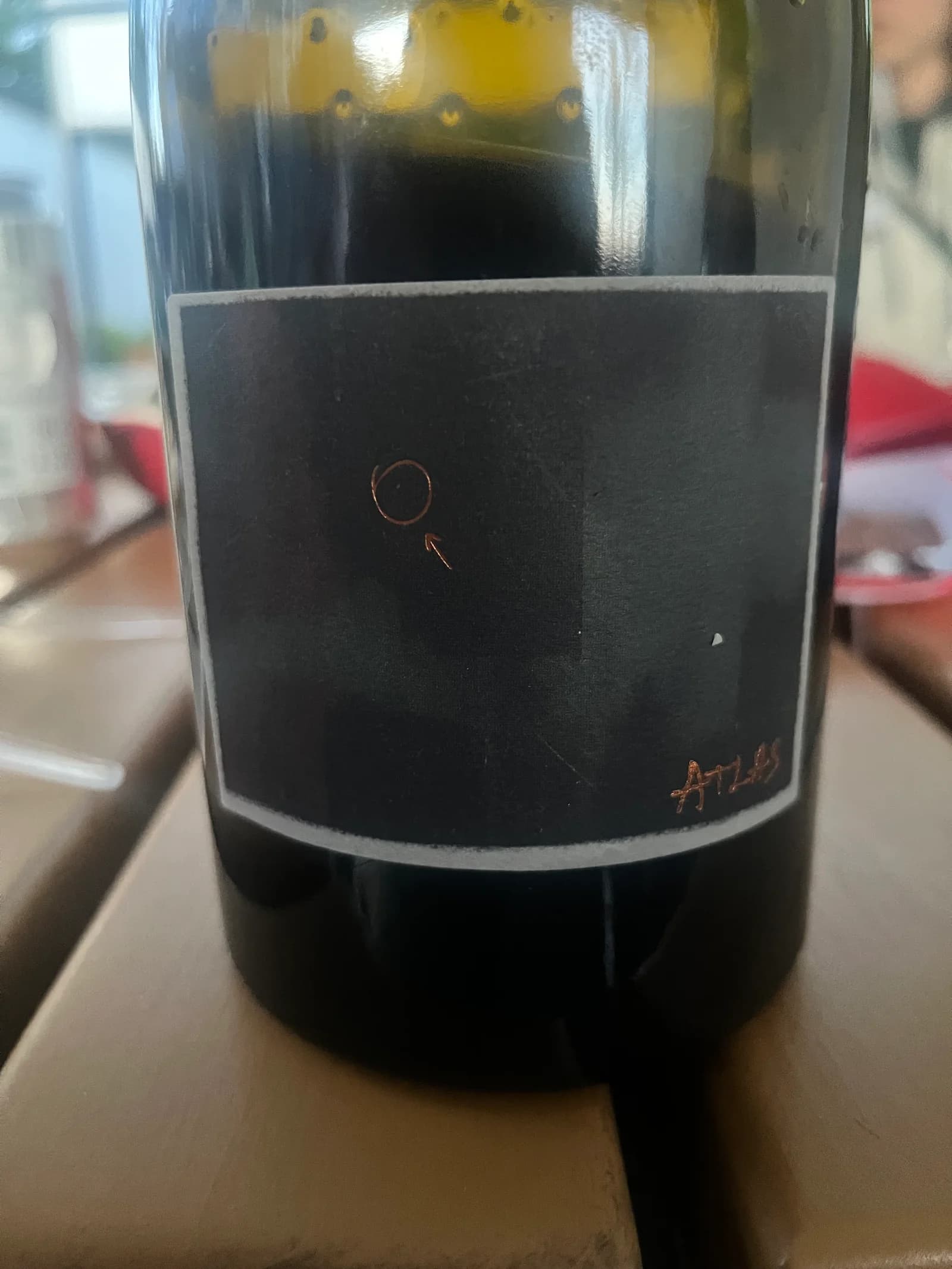
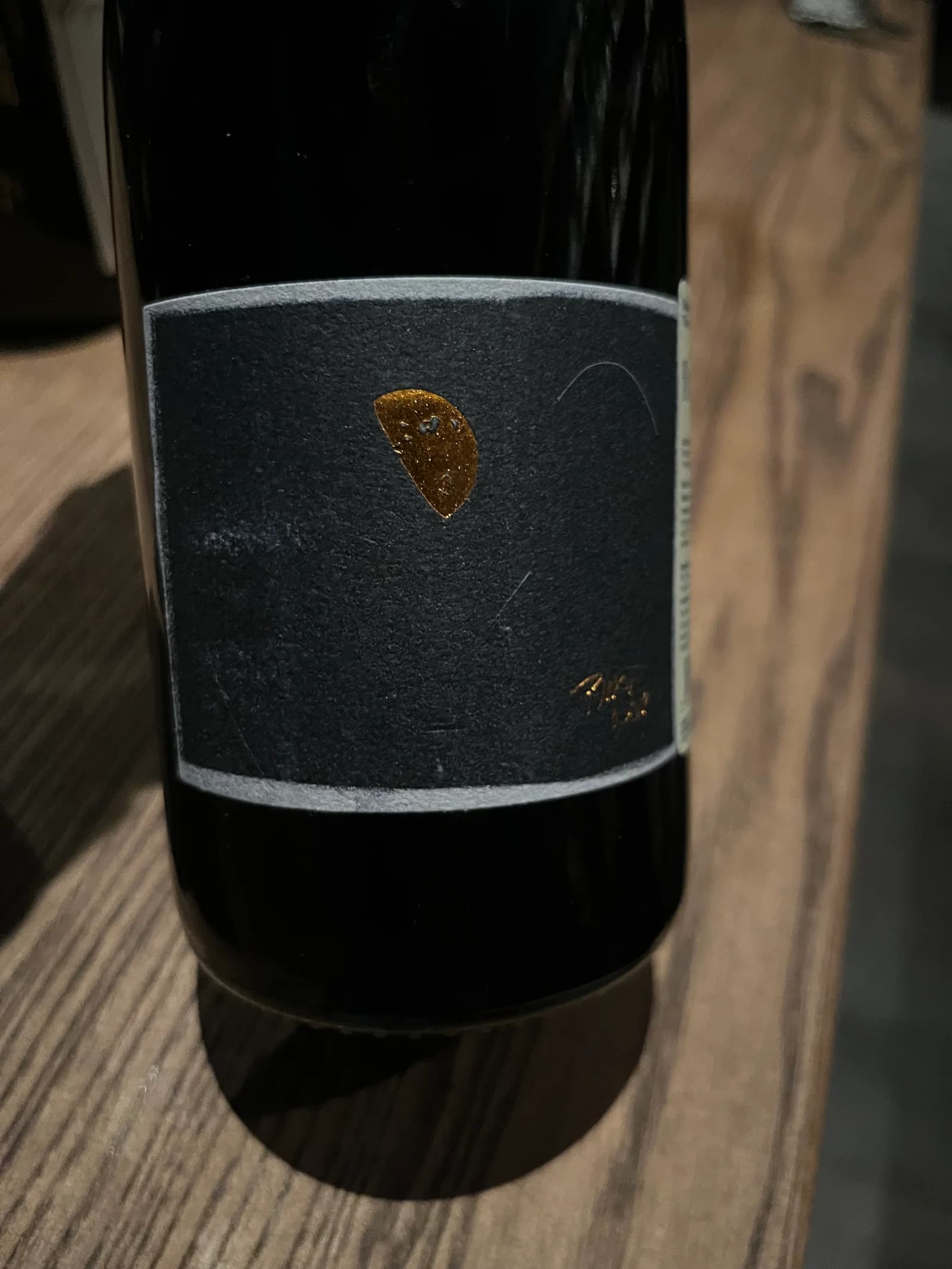
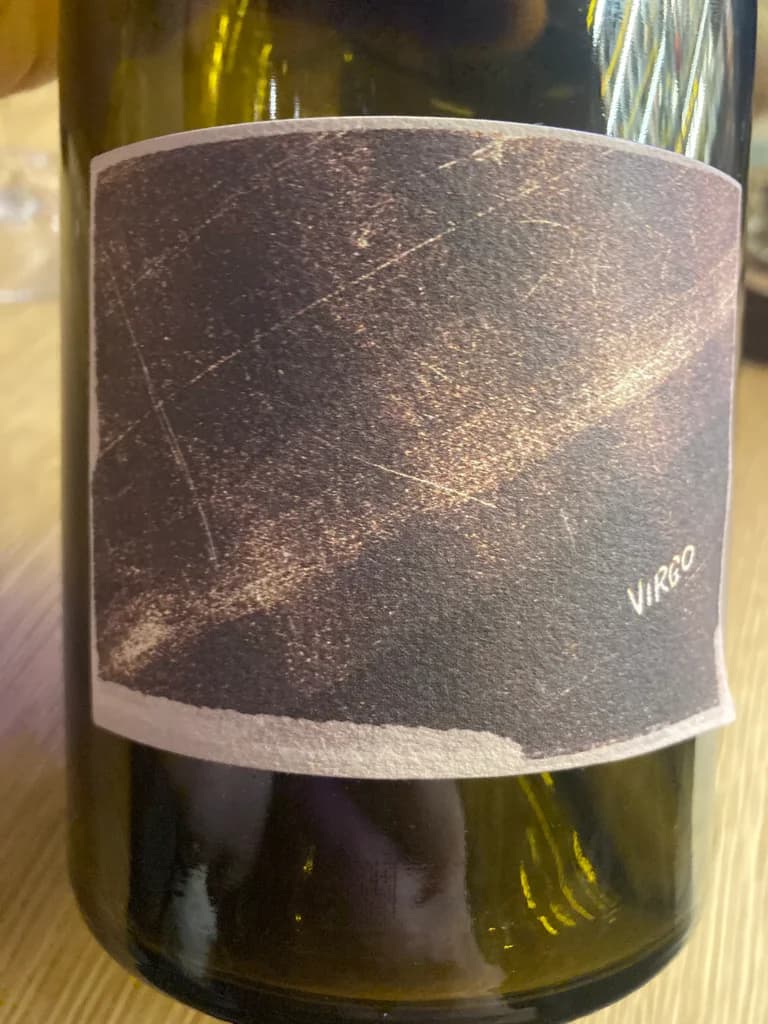
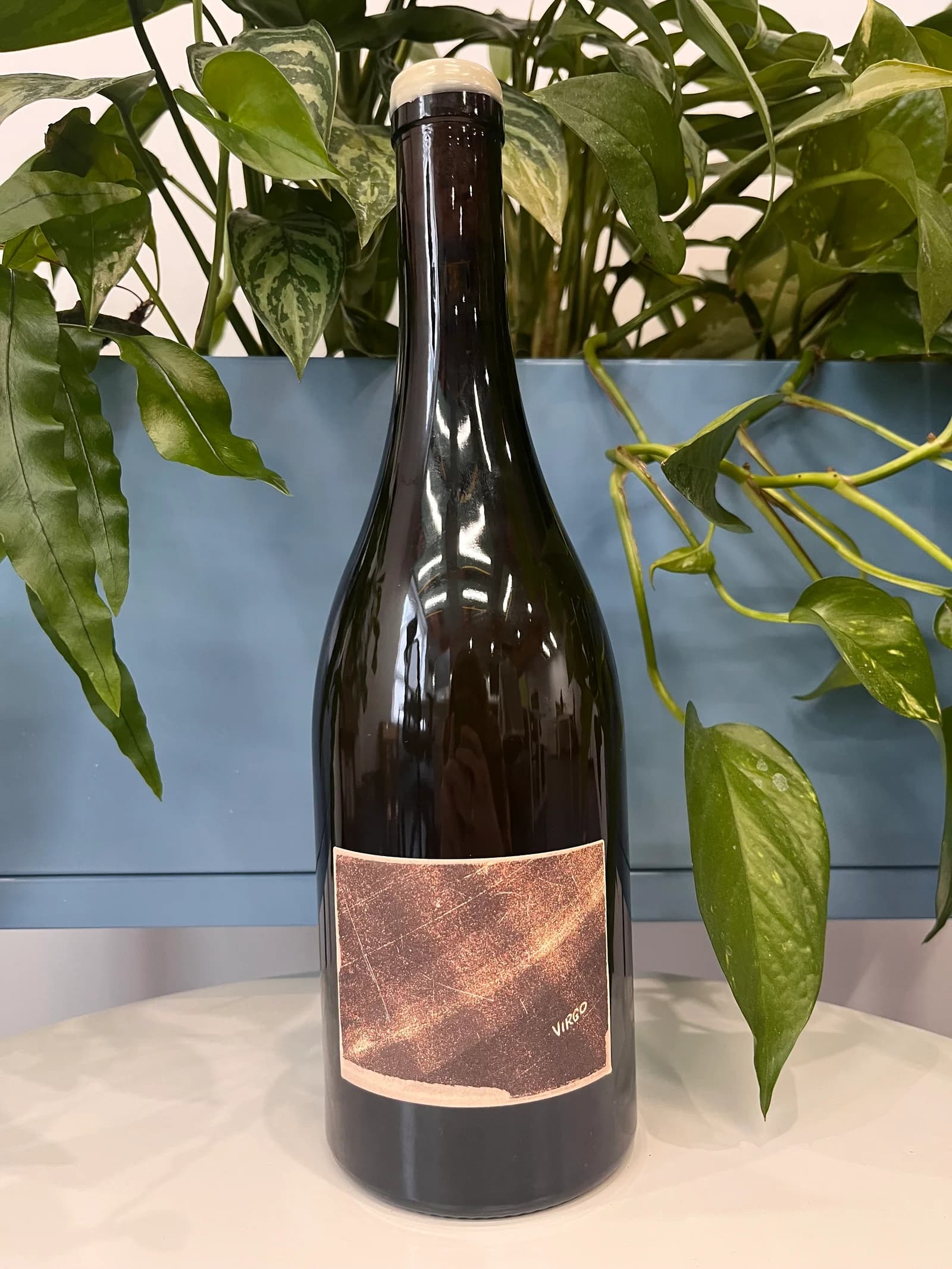
The cuvées: Pinot Noir, Pinot Noir Atlas (single plot), Riesling, Chenin Blanc, Furmint, Kéknyelű, Autochthon (native grape blend), Hárslevelű, Rózsaszőlő, Virgo (Blanc de Pinot Noir), Aries I and II, pétillant naturel in rosé and blanc, and more. Thirty to fifty thousand bottles a year.
Bencze is a visible voice in Hungary's small natural-wine scene. He has pushed for stricter labelling standards, arguing that producers using added sulphites should not be able to claim the "natural" designation.