All producers
Costadilà
Veneto, Italy4 wines3.5 avg
Ernesto Cattel's 7 hectares in Alto Trevigiano - col fondo Prosecco from Glera, Bianchetta and Verdiso, zero sulphur, transparent bottles, wines named by altitude.
Ernesto Cattel liked to call himself an "articulator" rather than a winemaker - someone who arranged the conditions and got out of the way. He founded Costadilà in 2005 (some sources say 2006) in the hills of Alto Trevigiano, in the historic Prosecco production zone between Conegliano and Valdobbiadene. The name comes from a fraction of Tarzo; the winery is based in San Lorenzo, in the hills of Vittorio Veneto.
About 7 hectares of vines on limestone and clay slopes, producing around 30,000 bottles a year. Three native grapes: Glera, Bianchetta Trevigiana, and Verdiso - the old varieties of these hills before industrial Prosecco swallowed the valleys below. The project recovers the steep, abandoned terraces at altitude that mechanised viticulture left behind. The farm practises polyculture: vines alongside fruit trees, vegetables, cereals, and livestock, all organic.
The method is col fondo - ancestrale refermentation in the bottle, but with a twist. Primary fermentation runs dry on indigenous yeasts with zero sulphur at any stage. Then must from passito grapes of the same vintage is added for secondary fermentation. The wine stays on its lees, undisgorged, naturally cloudy. Some cuvées get a short skin maceration before bottling - col fondo macerato.
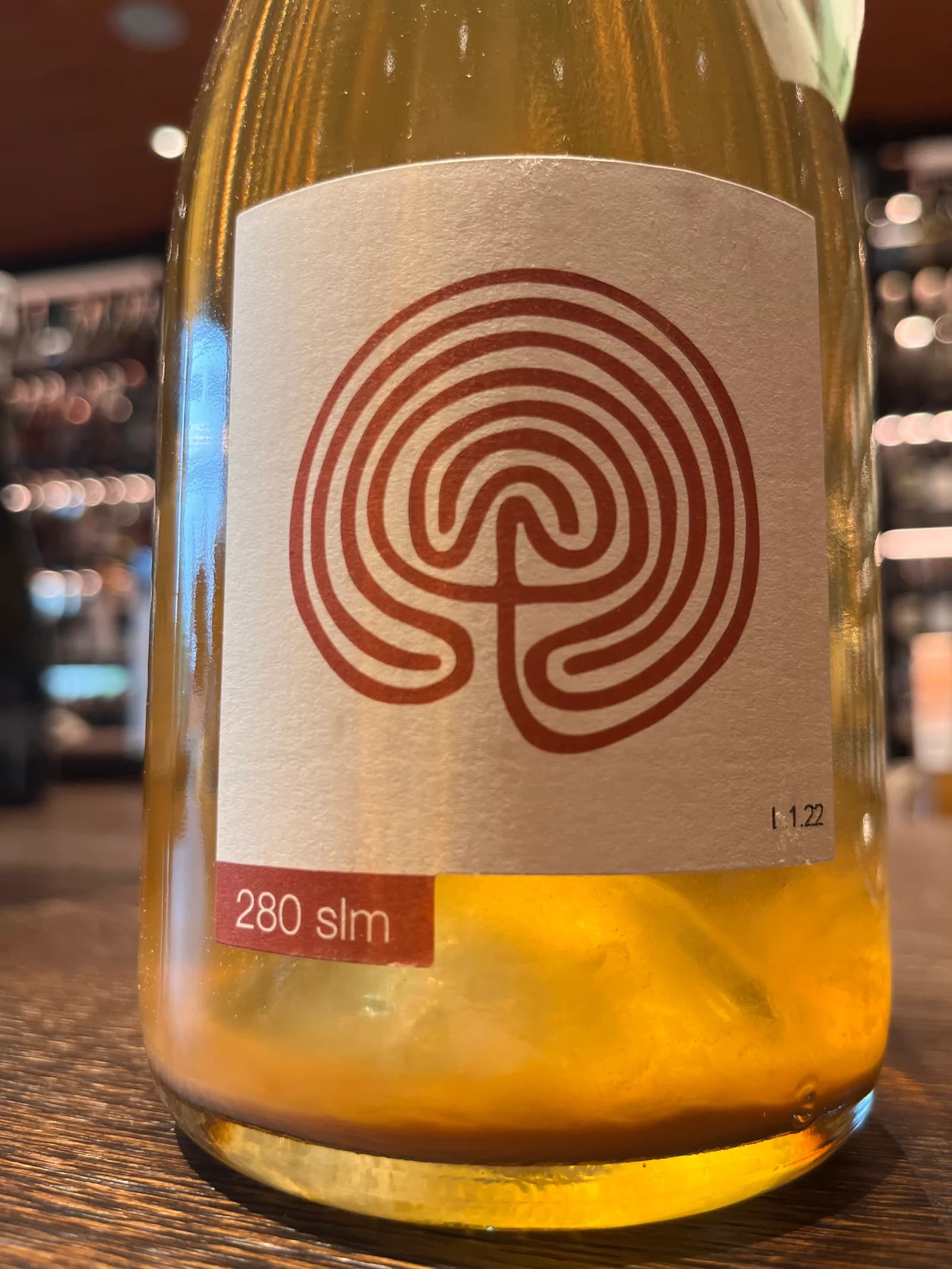
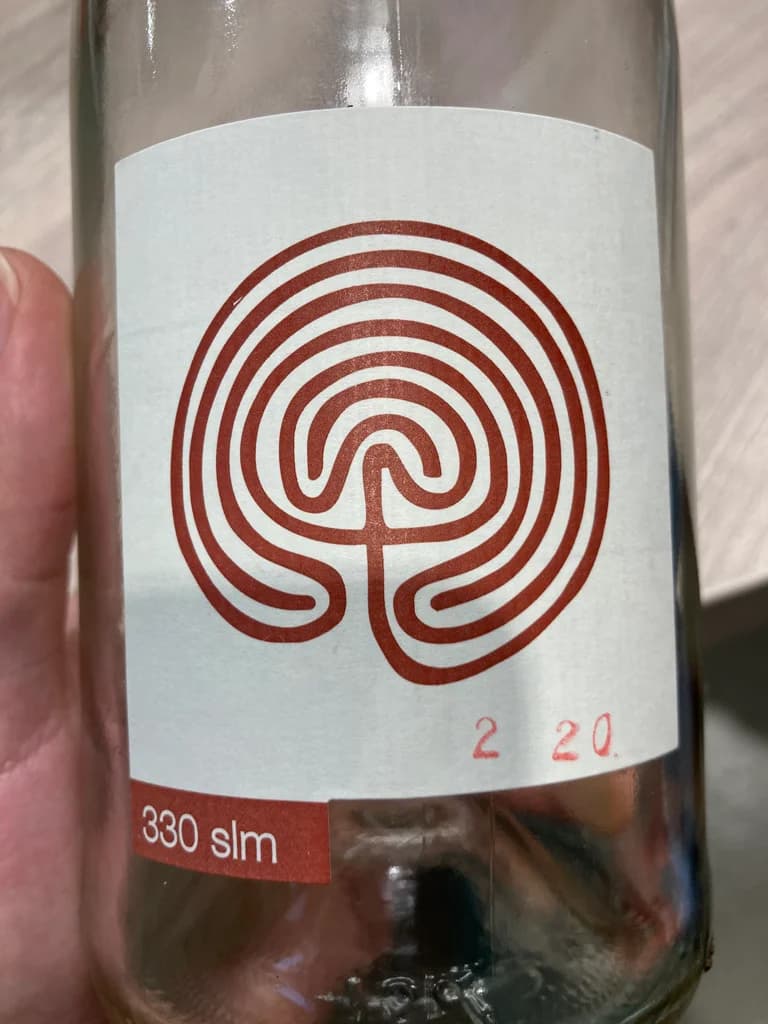
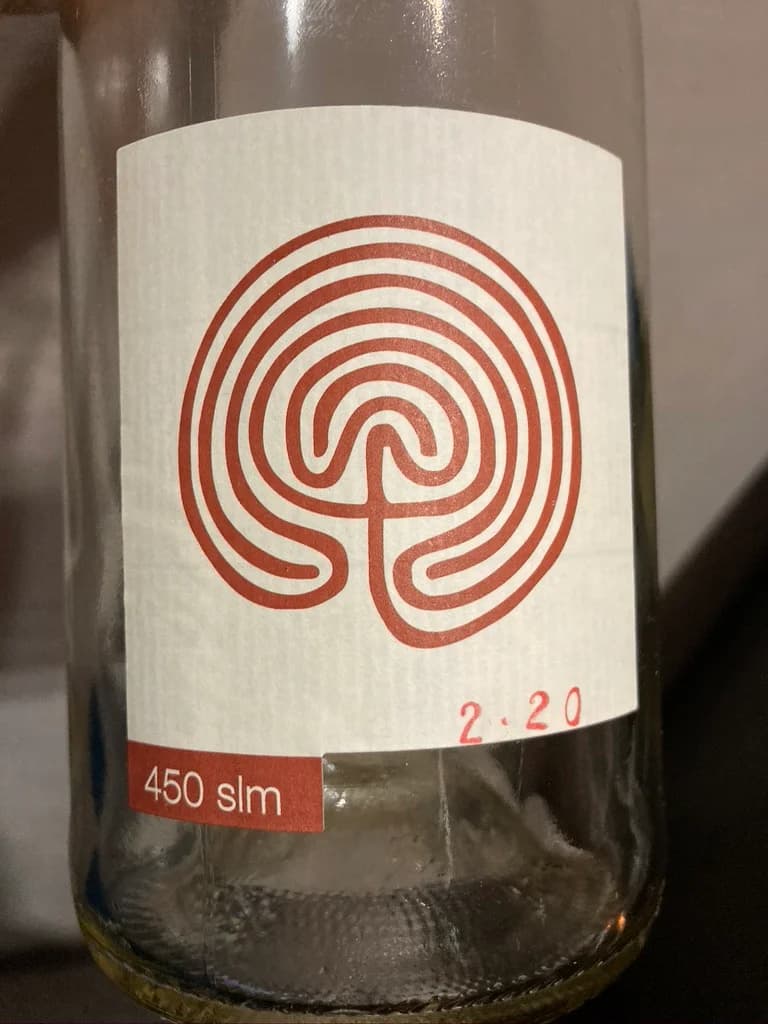
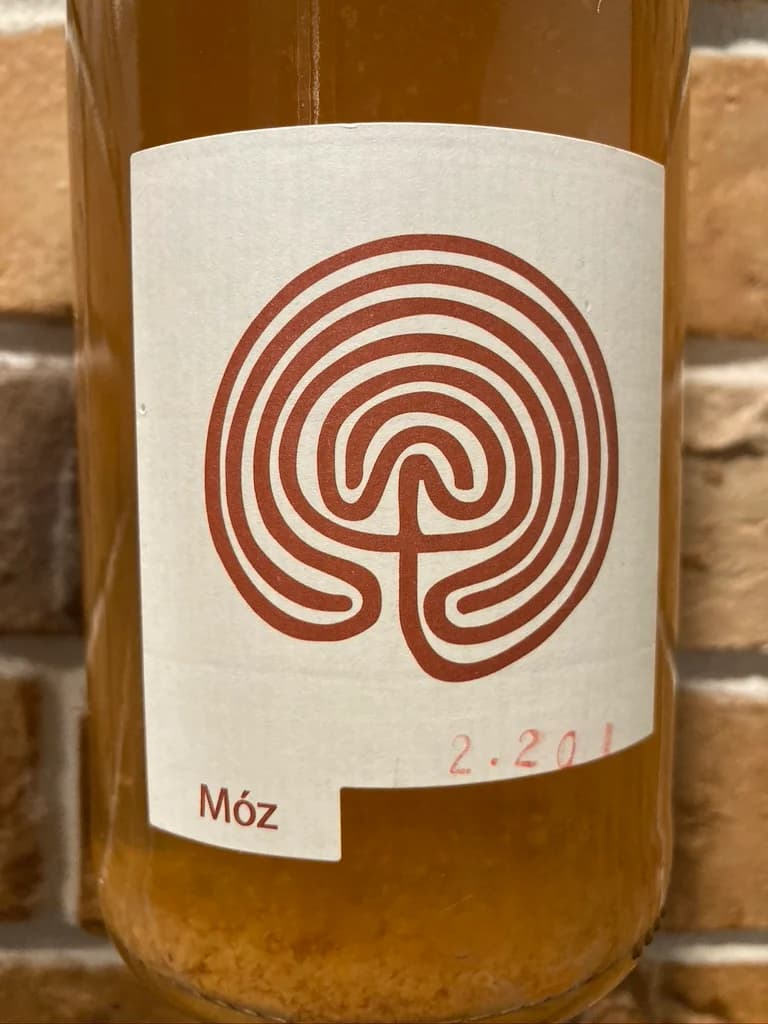
The wines are named by the altitude of their vineyard parcels: 280 slm, 330 slm, and 450 slm, with a Rosso and an orange Arancione (Prosecco Tondo + Boschera) alongside. All go into transparent glass - Cattel wanted the sediment visible, the colour visible, the vintage variation visible. He died in August 2018, aged 54; the estate is now run by Martina Celi and Alex Della Vecchia, who have kept the method going. One of the earliest projects to treat Prosecco as peasant wine rather than supermarket wine.