All producers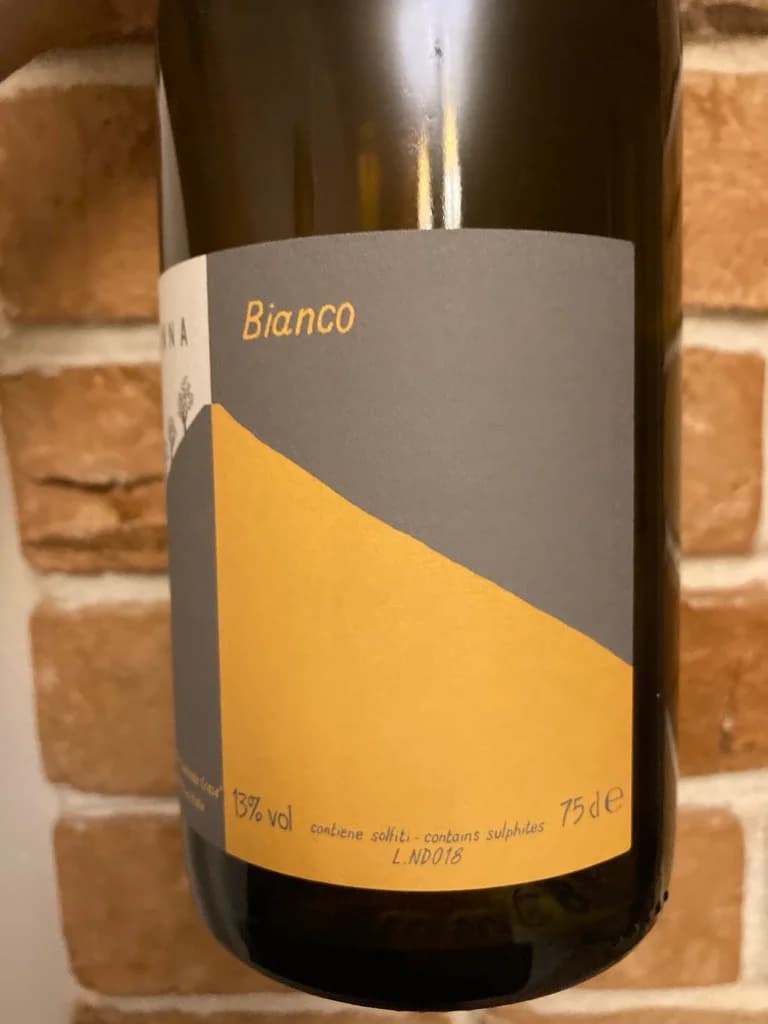

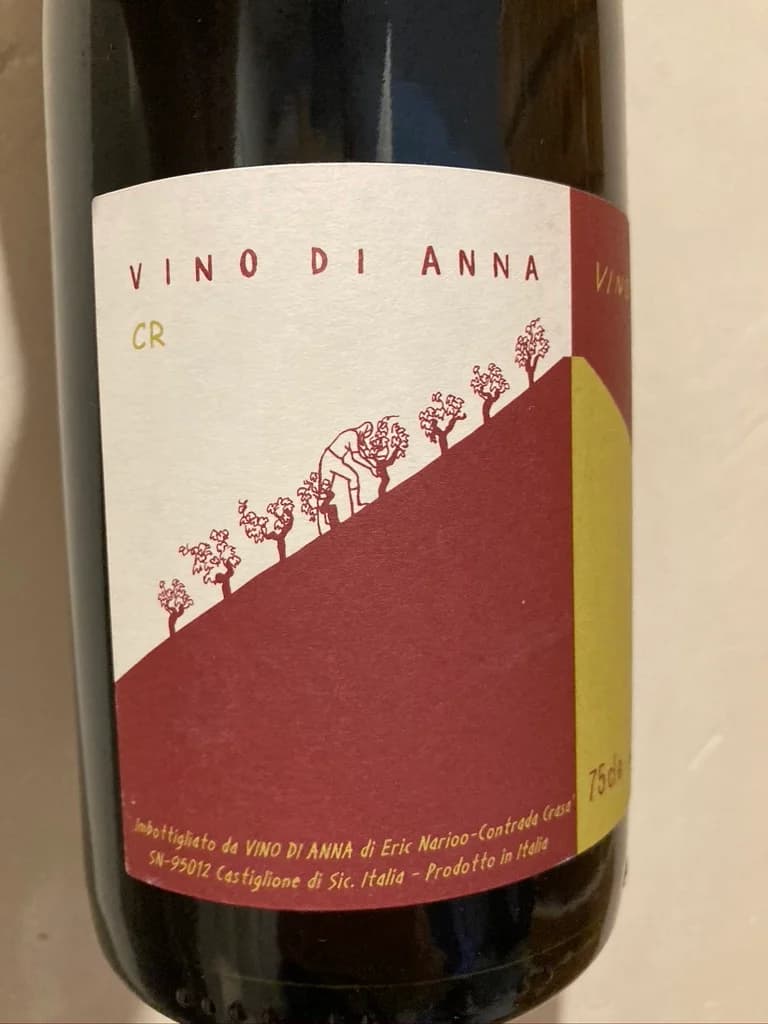
Vino di Anna
Sicily, Italy15 wines3.7 avg
951
Anna Martens and Eric Narioo's Etna project in Contrada Crasà - old ungrafted Nerello, Georgian qvevri, and a relaxed precision that feels like the opposite of a volcano.
There was a time when Sabotage organised Friday parties near Yellow Place at Goodwine. This is where Ivan Omelchenko introduced me to Vino di Anna, and where he started to joke that I would become their brand ambassador. I don't drink their wines often these days, but I still hold a special place for them.
Vino di Anna is the Etna project of Anna Martens and Eric Narioo. Anna is Australian, trained in Adelaide, with harvests in Burgundy, New Zealand, Mendoza, Corbières, Stellenbosch, and Tuscany before landing at Passopisciaro in 2005, where she spent three years with Andrea Franchetti. Eric is French and the founder/managing director of Les Caves de Pyrene - the pioneering UK natural-wine importer. They met in 2004. Their first wines were made in 2008, in a borrowed corner of the Passopisciaro winery. In 2010 they bought their first vineyard - old-vine ungrafted Nerello Mascalese in Contrada Crasà - along with a derelict palmento and cellar next door.
The estate is on the north slope of Etna, around Passopisciaro and Castiglione di Sicilia, at elevations between roughly 650 and 1200 metres. Around eight hectares today, terraced, farmed biodynamically, scattered across the contrade (historic lava flows) that give Etna its Burgundy-of-the-south cru structure. The heart is Contrada Crasà, with other plots including the 100-year-old Don Alfio vineyard in Contrada Piano Filici above Rovittello, and whites concentrated in Contrada Nave on the north-western side. Grapes are the old field blends typical of Etna's century-old plots: Nerello Mascalese with field-mixed Nerello Cappuccio, Alicante, Grecanico, Minella Bianca, and Catarratto. Carricante for whites.
In the cellar: native yeasts, no additives, no fining or filtering, little or no sulphur. Vessels are eclectic - lava stone, chestnut, French wood, stainless steel, glass, and a cellar of eight Georgian qvevri acquired in 2013 and buried the following year. The qvevri came from Zaaliko Bodjadze's workshop near Makatubani: clay from the high Caucasus, beeswax lining.
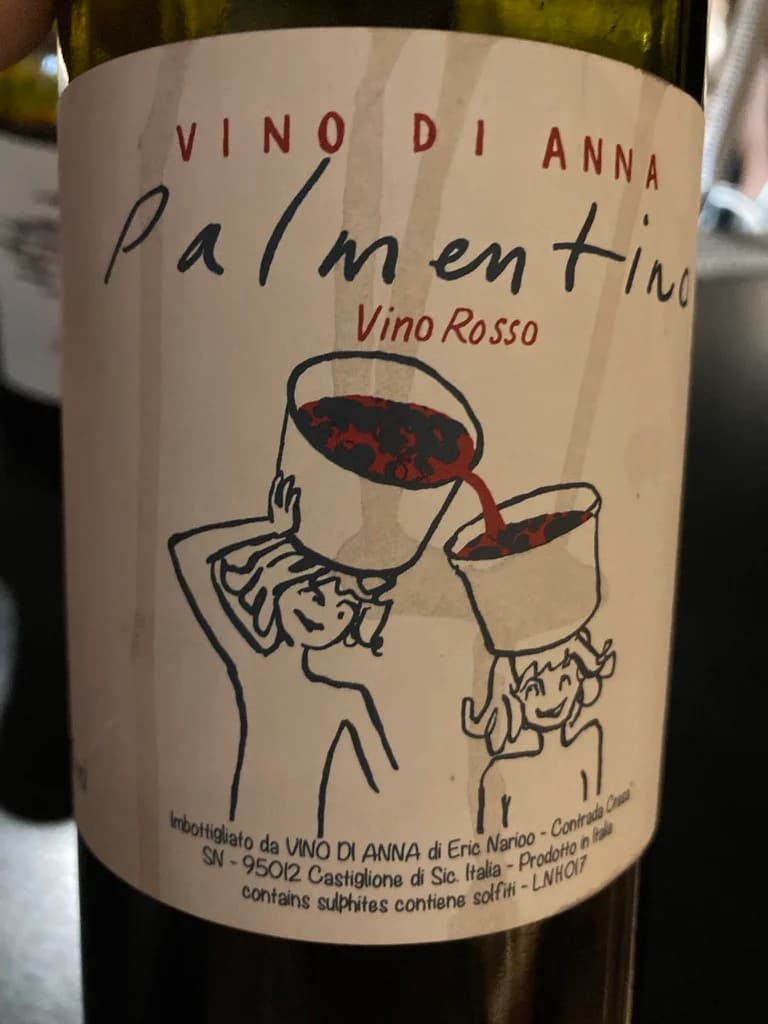
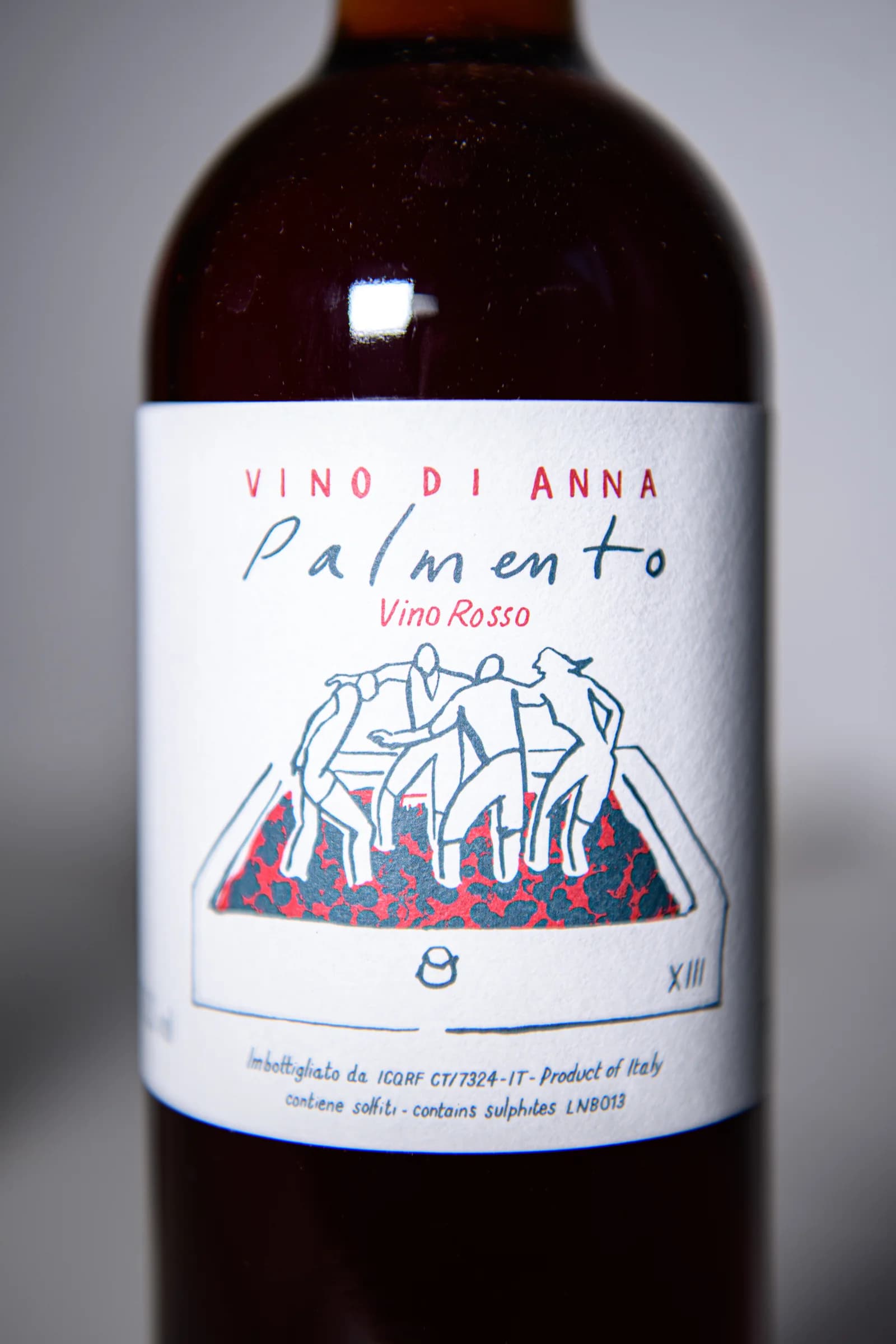
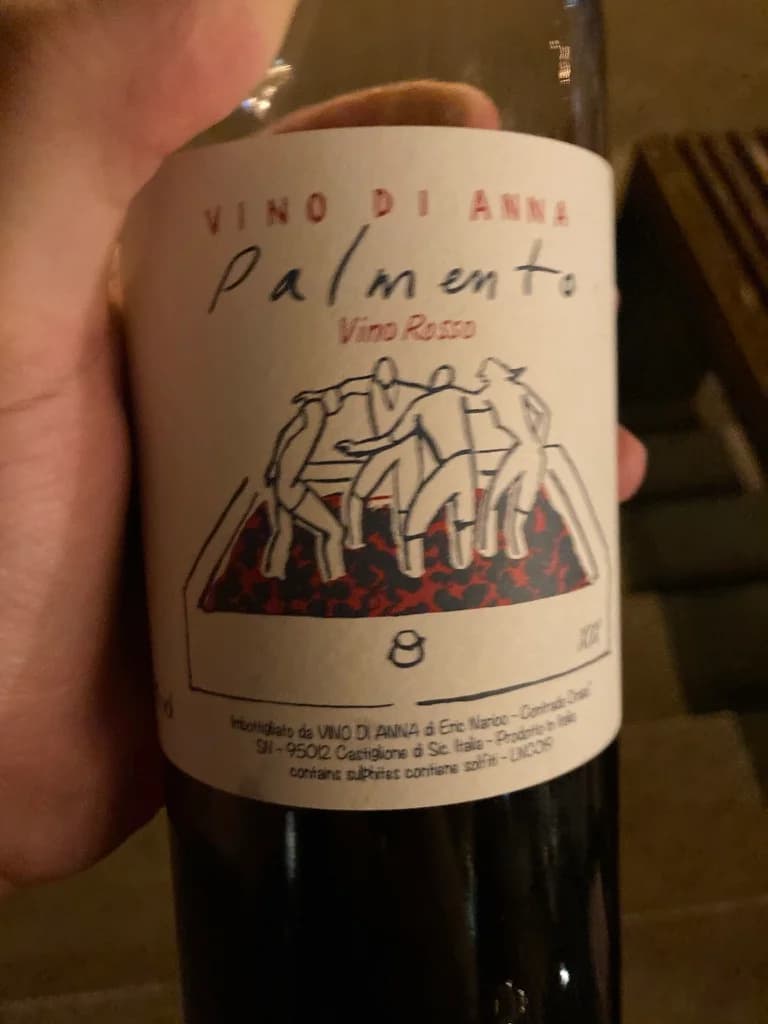
Cuvées include Palmento Rosso (fermented in the restored centuries-old palmento), Jeudi 15 (qvevri-fermented Nerello), Vendredi 13, Palmentino Rosso, Qvevri R / Qvevri Rampante, and Bianco G among the whites. Anna and Eric also make olive oil and keep a hive of the rare Sicilian black bee. Since 2022 they have added a second project, Nord-Sud, in the Adelaide Hills.
Wines
4.0
Bianco
2018· Italy
3.2
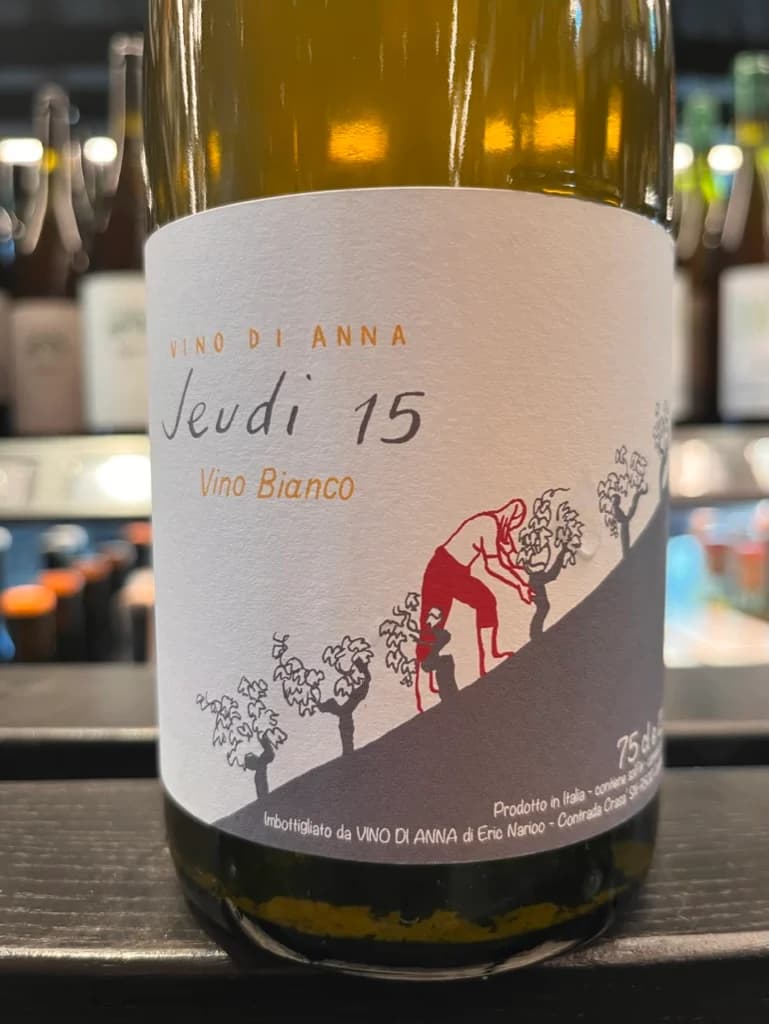
Jeudi 15 Bianco
2021· Italy
3.5
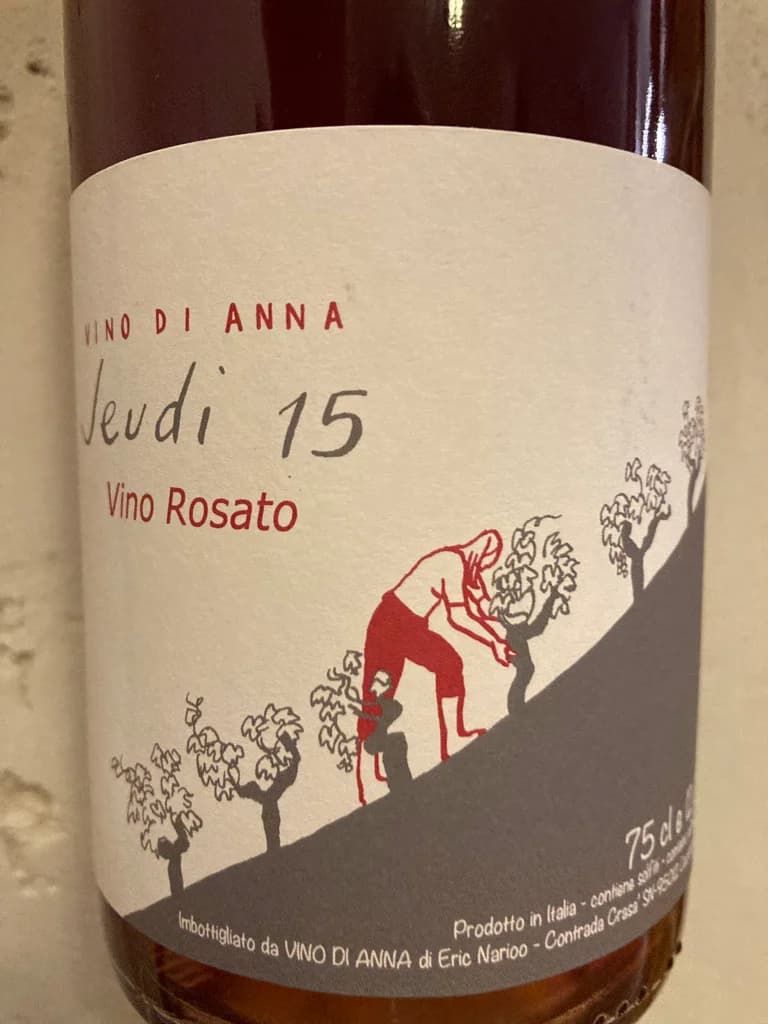
Jeudi 15 Rosato
2020· Italy
4.0
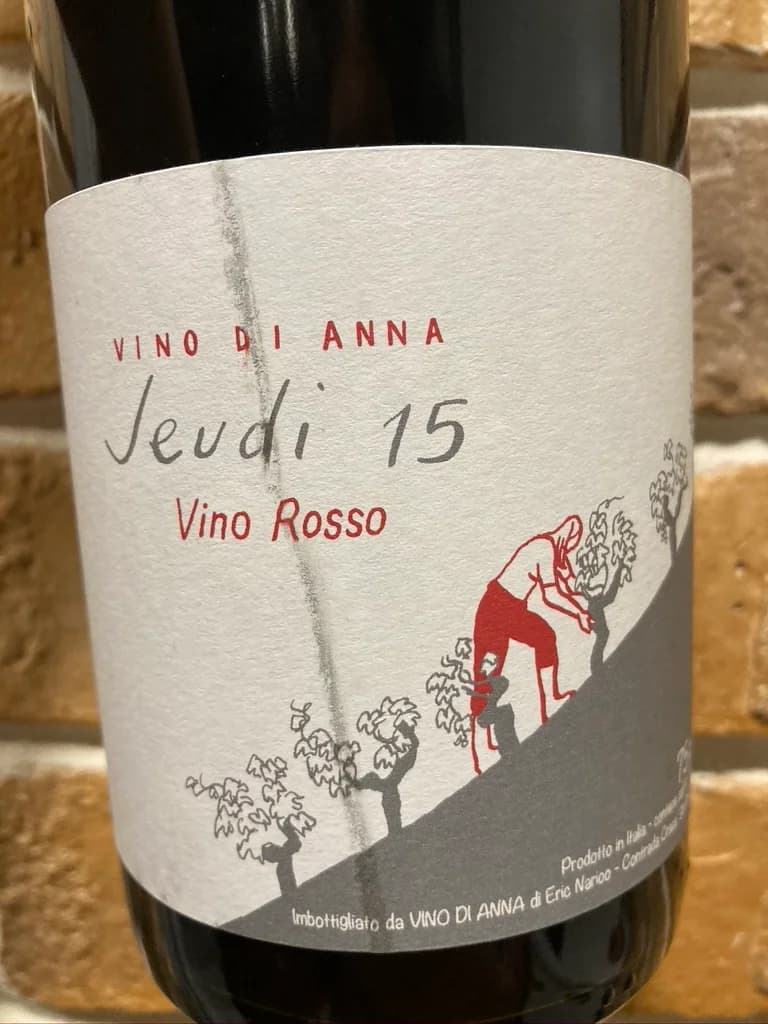
Jeudi 15 Rosso
2017· Italy
3.0
Palmentino
2017· Italy
3.6
Palmento
2013· Italy
3.0
Palmento
2019· Italy
3.2
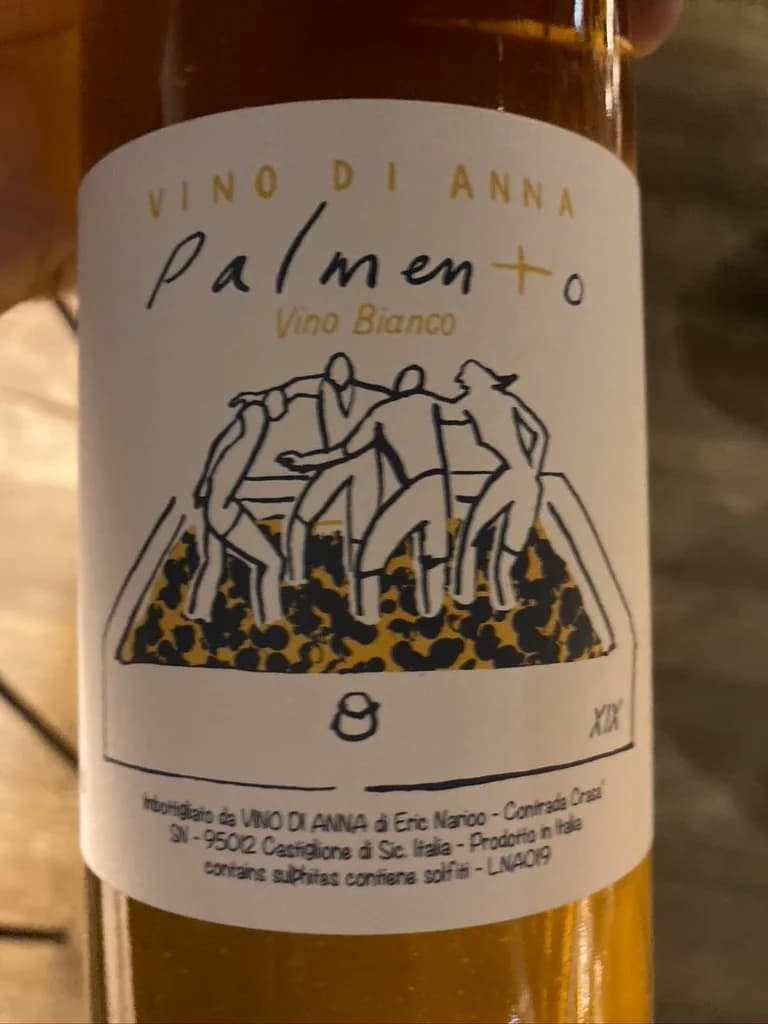
Palmento Bianco
2018· Italy
4.0
Palmento Bianco
2019· Italy
4.0
Palmento Bianco
2020· Italy
4.0
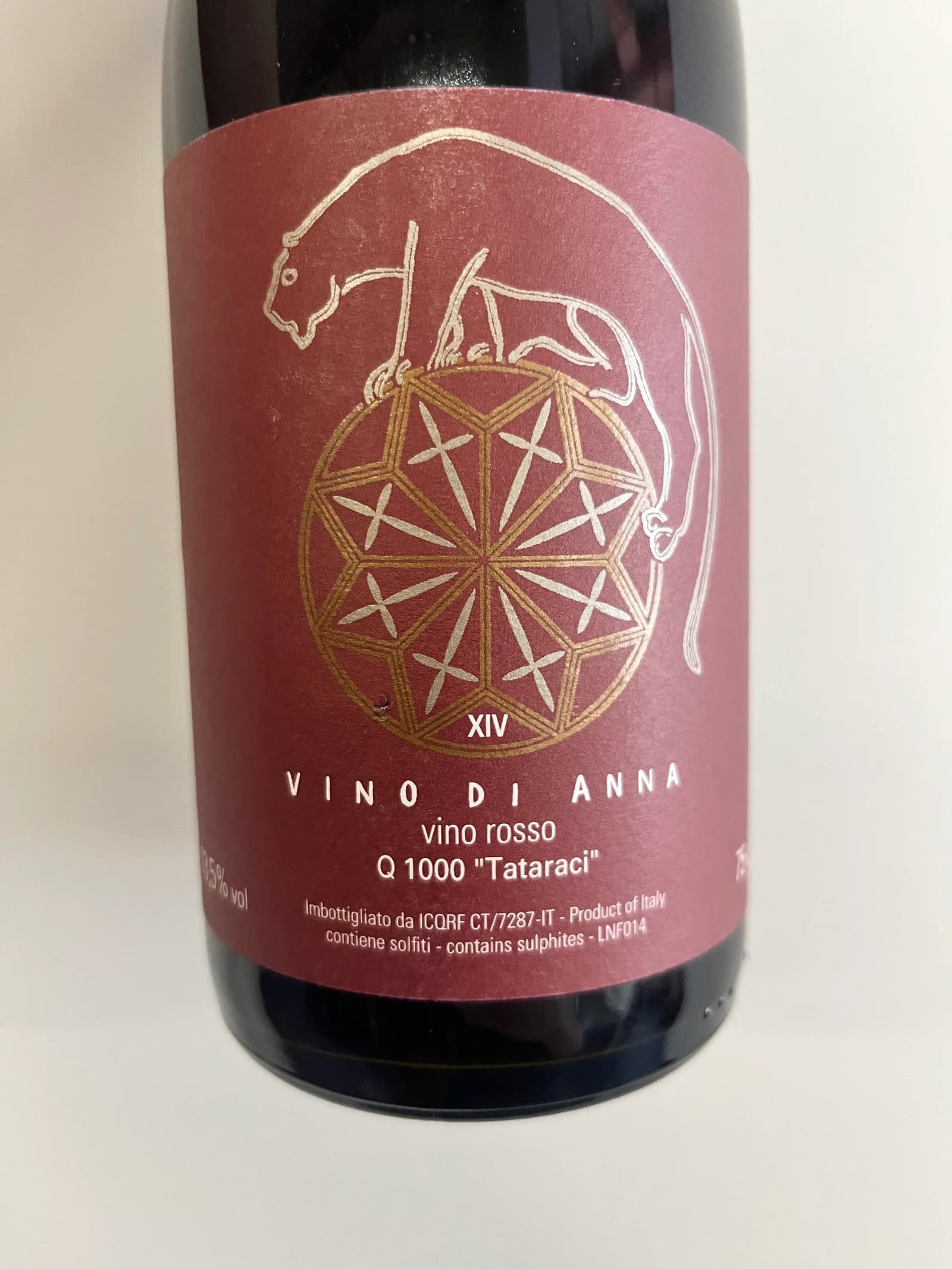
Q1000 Tataraci Rosso
2014· Italy
4.0
Q1000 Tataraci Rosso
2016· Italy
4.2
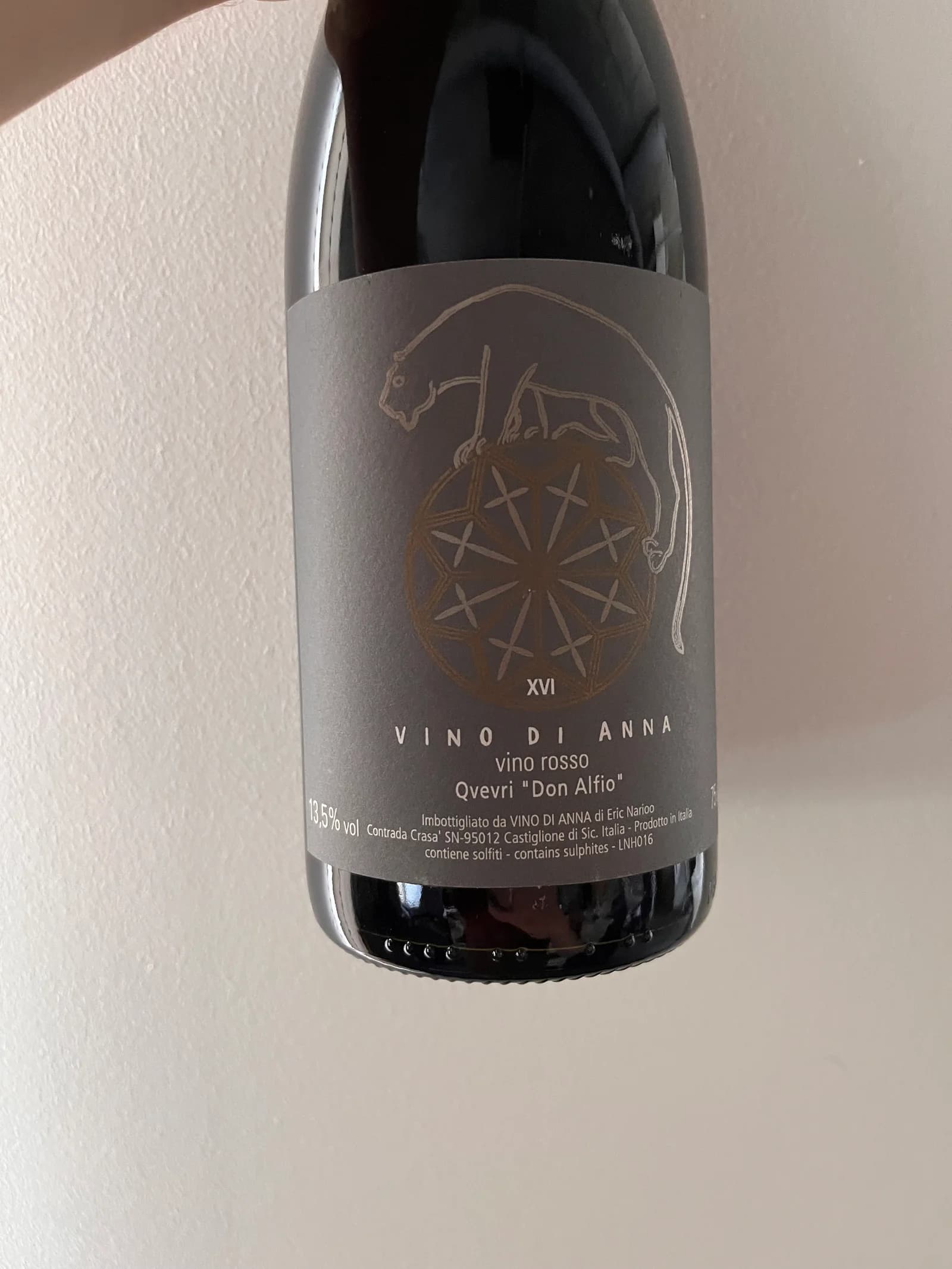
Qvevri 'Don Alfio'
2016· Italy
4.0
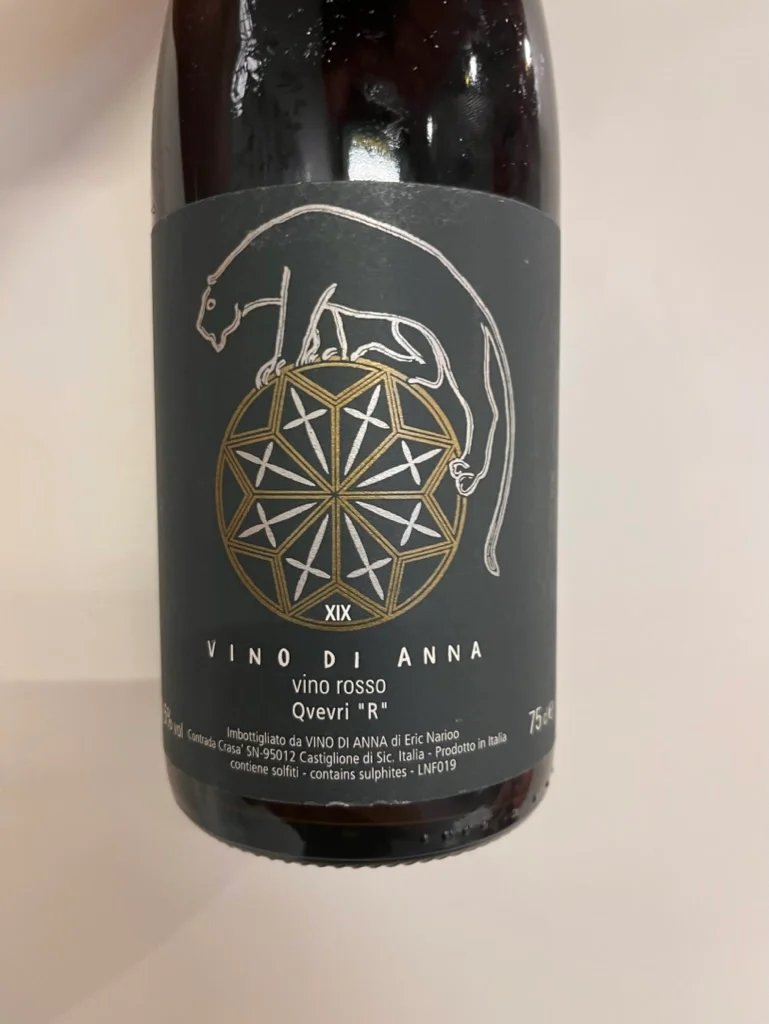
Qvevri R
2019· Italy
3.8
Rosso CR
2017· Italy