All producers
Jean Foillard
Beaujolais, France6 wines4.0 avg
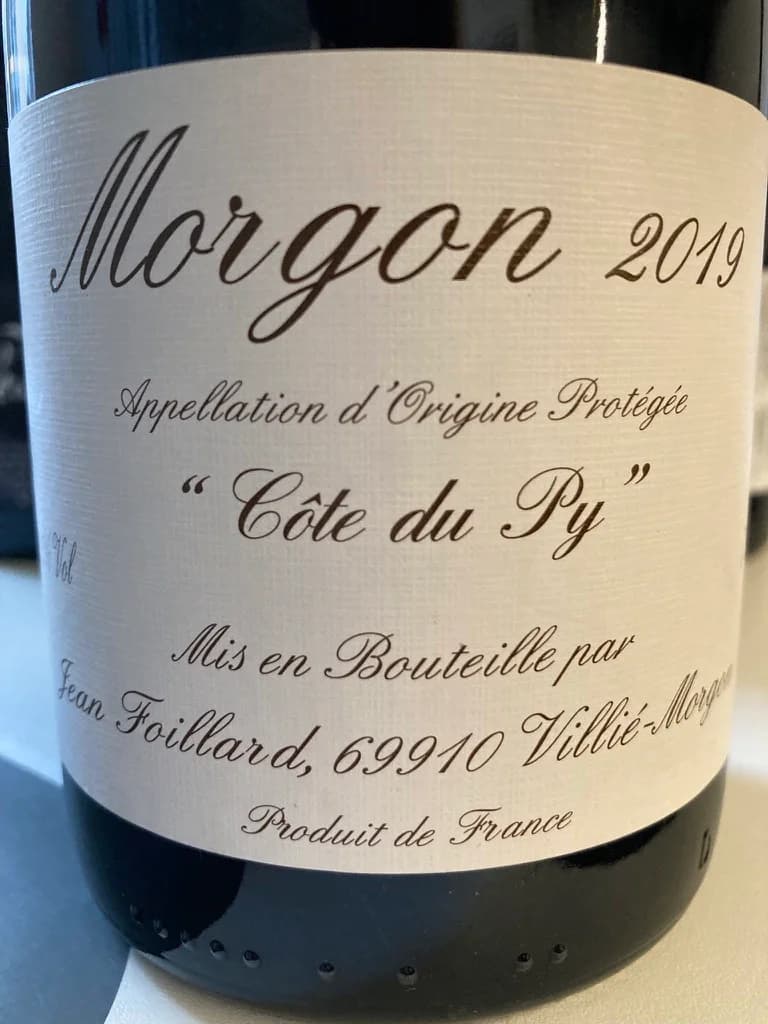
Villié-Morgon, cru Morgon. Jean and Agnès Foillard took over in 1980 and shifted to the Chauvet method by the mid-1980s. One of the Gang of Four with Marcel Lapierre, Thévenet and Breton. Morgon Côte du Py is the benchmark; son Alex now taking over.
Jean and Agnès Foillard took over the family estate in Villié-Morgon from Jean's father in 1980. By around 1985 - under Jules Chauvet's direct influence, and alongside Marcel Lapierre next door - they had stopped spraying herbicides and synthetic pesticides and turned the cellar toward native-yeast, whole-cluster, semi-carbonic, low-SO2 work. Jean, Lapierre, Jean-Paul Thévenet and Guy Breton became the four Morgon growers Kermit Lynch later called the Gang of Four - the quartet that put natural Beaujolais on the map.
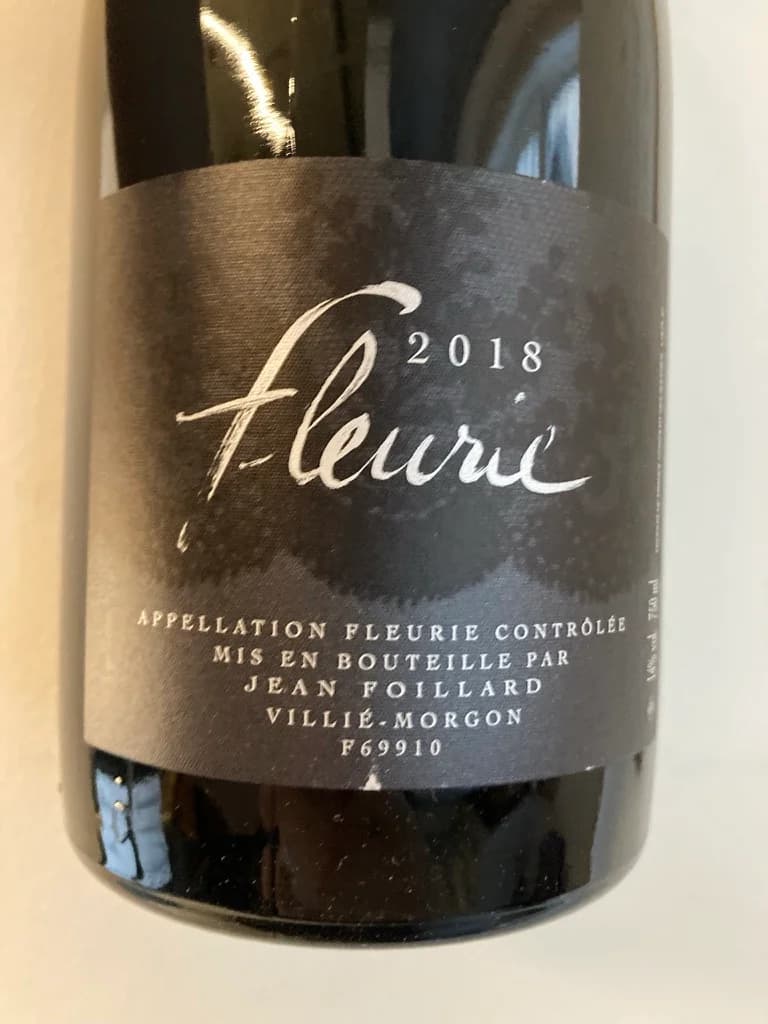
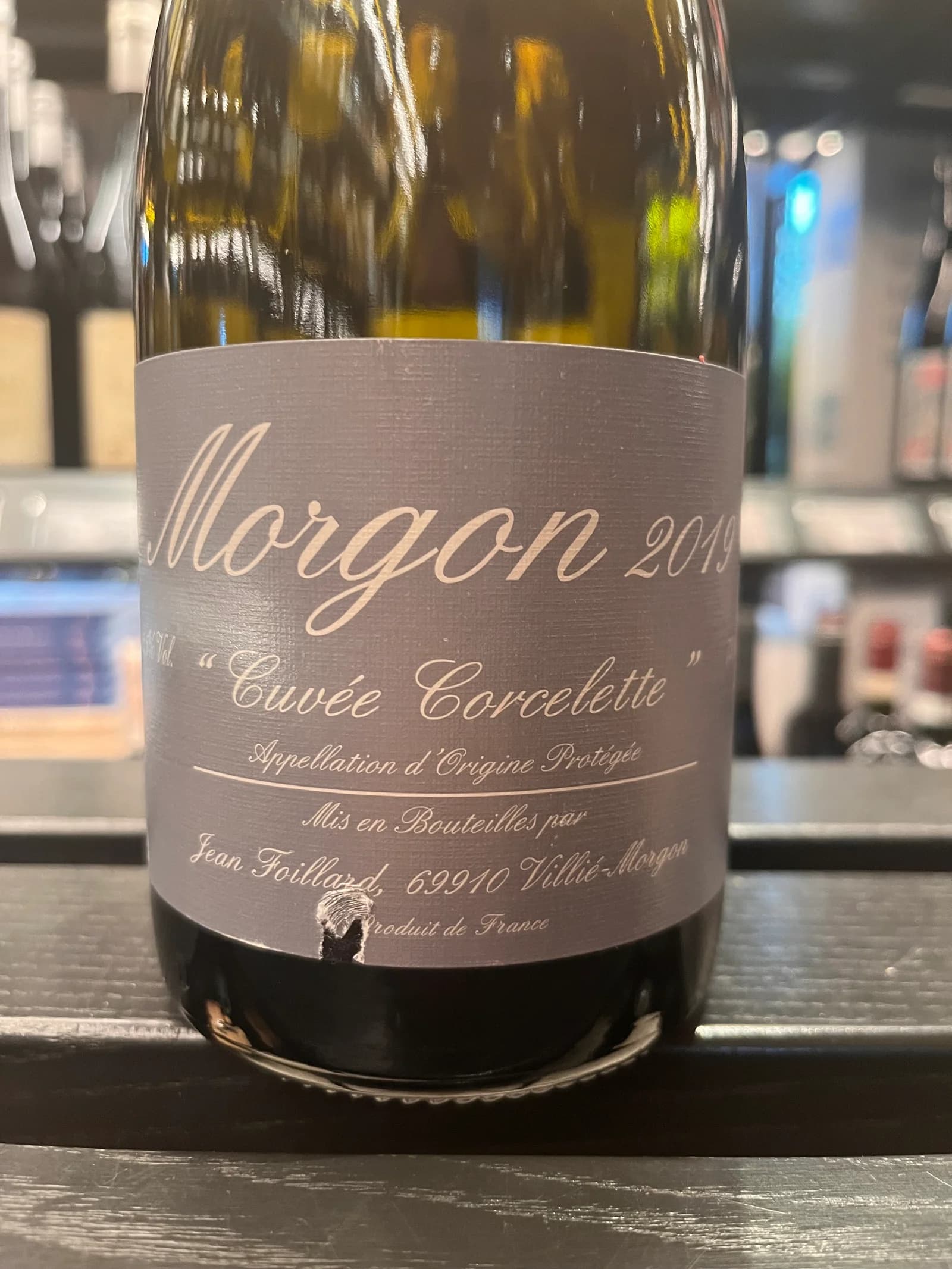
Around 14 hectares, certified organic. The heartland is the Côte du Py slope in Morgon, on decomposed schist and granite, which supplies the estate's benchmark bottle. There are additional Morgon plots in Corcelette (sandier, more granitic), a Fleurie holding added around 2005 (plots including La Madone), and Beaujolais-Villages parcels. Late harvest, rigorous sorting of whole bunches, three- to four-week semi-carbonic macerations, native yeasts, no chaptalisation, neutral used oak, minimal or no SO2, no filtration.
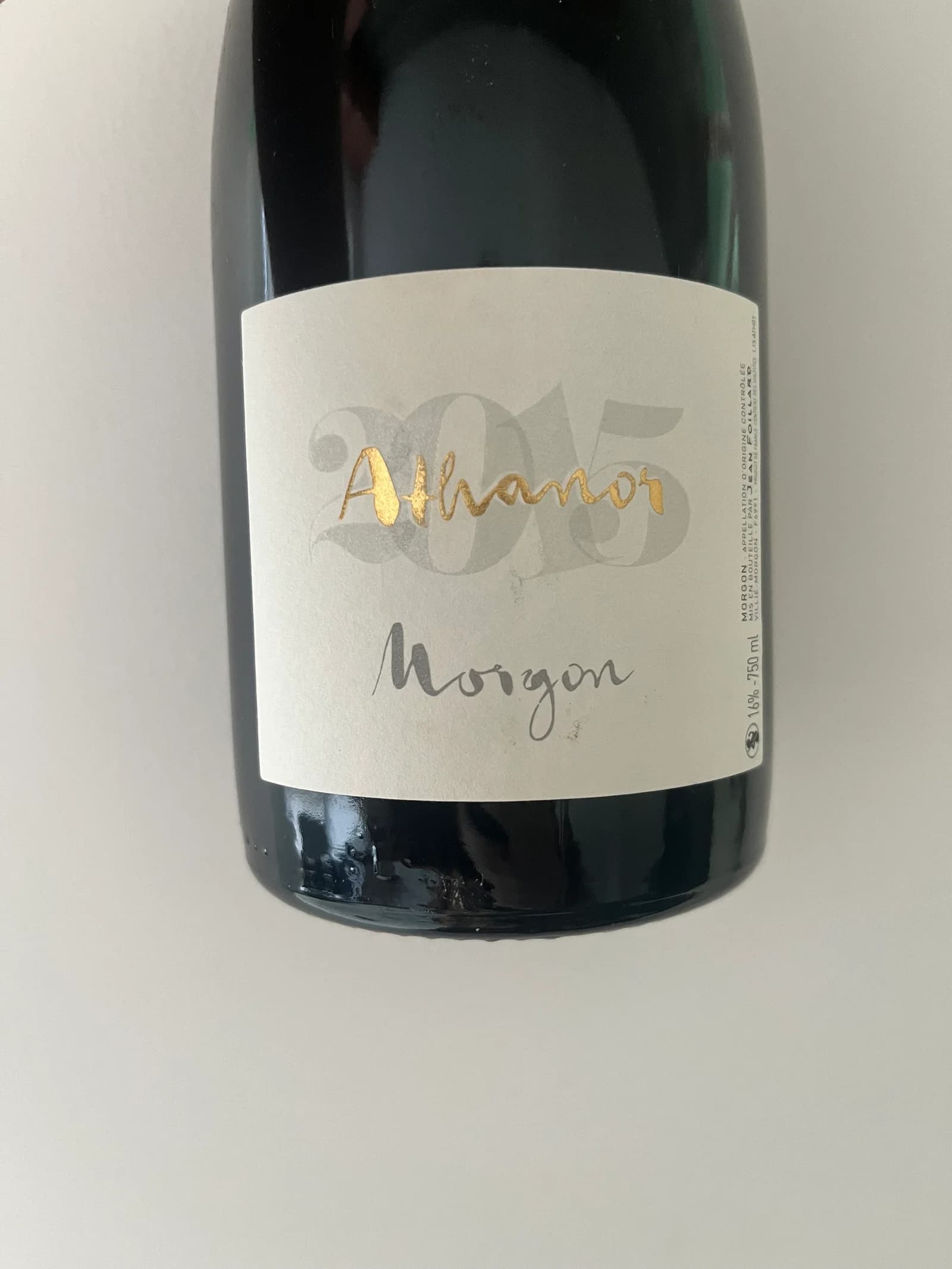
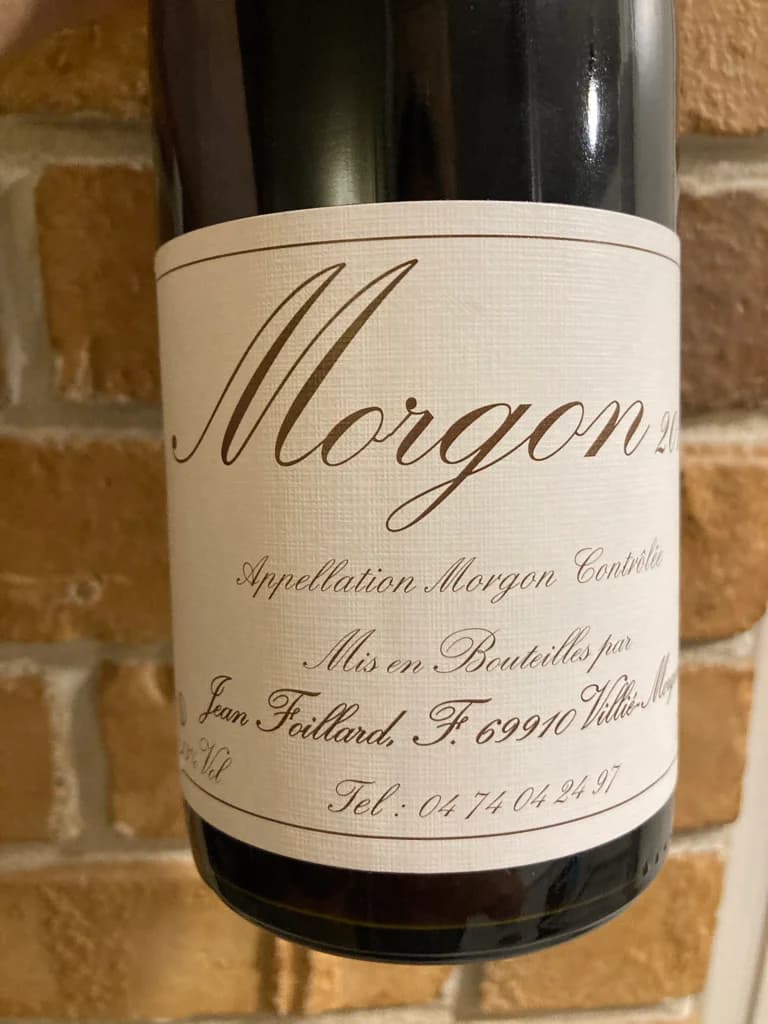
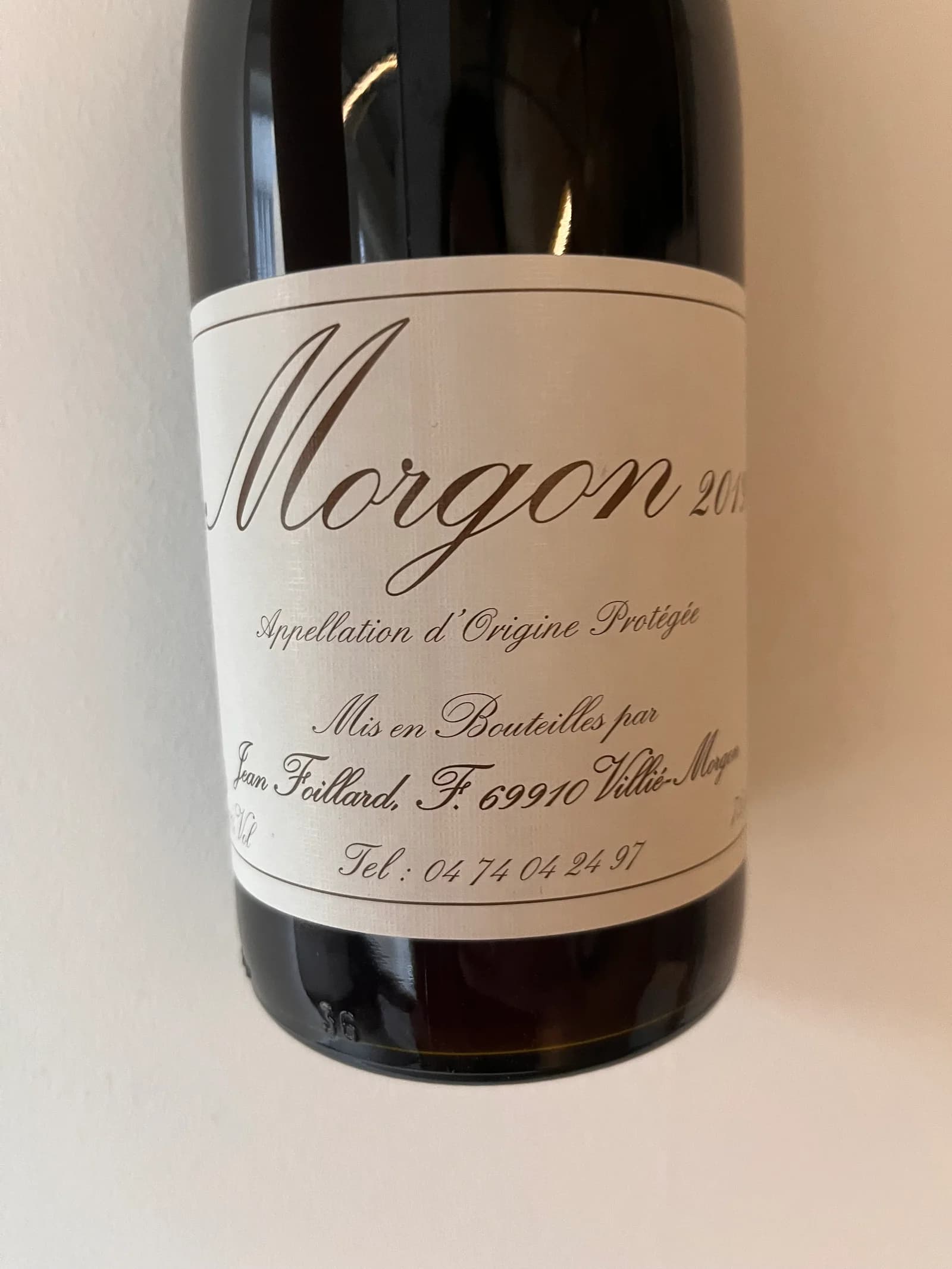
The range. Morgon Côte du Py is the flagship and, for many, the reference Gamay of the modern era. Morgon Corcelette from old sandy-granitic vines; Morgon "3.14", a micro-cuvée from hundred-year-old Côte du Py vines, sits at the apex. Plus a Morgon "Les Charmes" Eponym from the highest-altitude site, Fleurie, and a Beaujolais-Villages. Jean's son Alex is now active at the estate and also makes wine under his own label, including a Côte de Brouilly.