All producers
Domaine Armand Rousseau
Côte d'Or, France7 wines4.7 avg
Four generations of classical Gevrey-Chambertin across 15 hectares - from village cuvée to Chambertin Grand Cru, including the Clos des Ruchottes monopole.
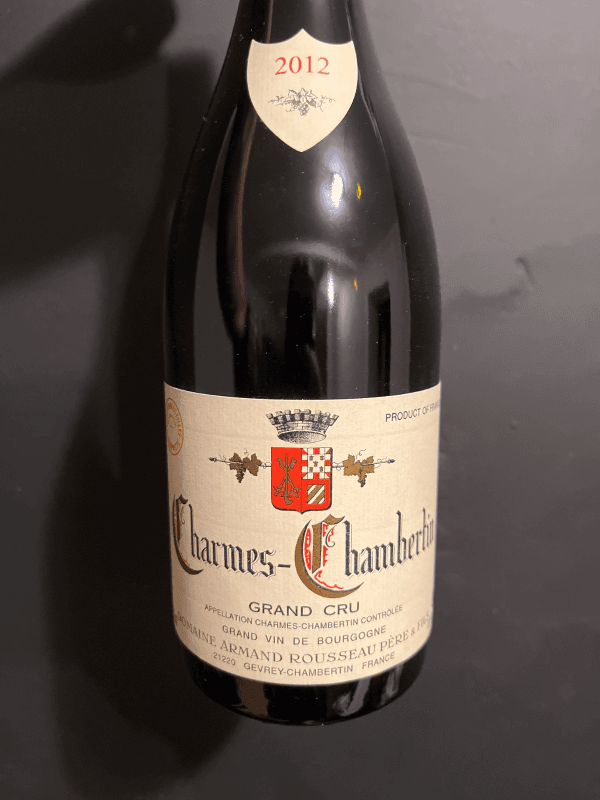
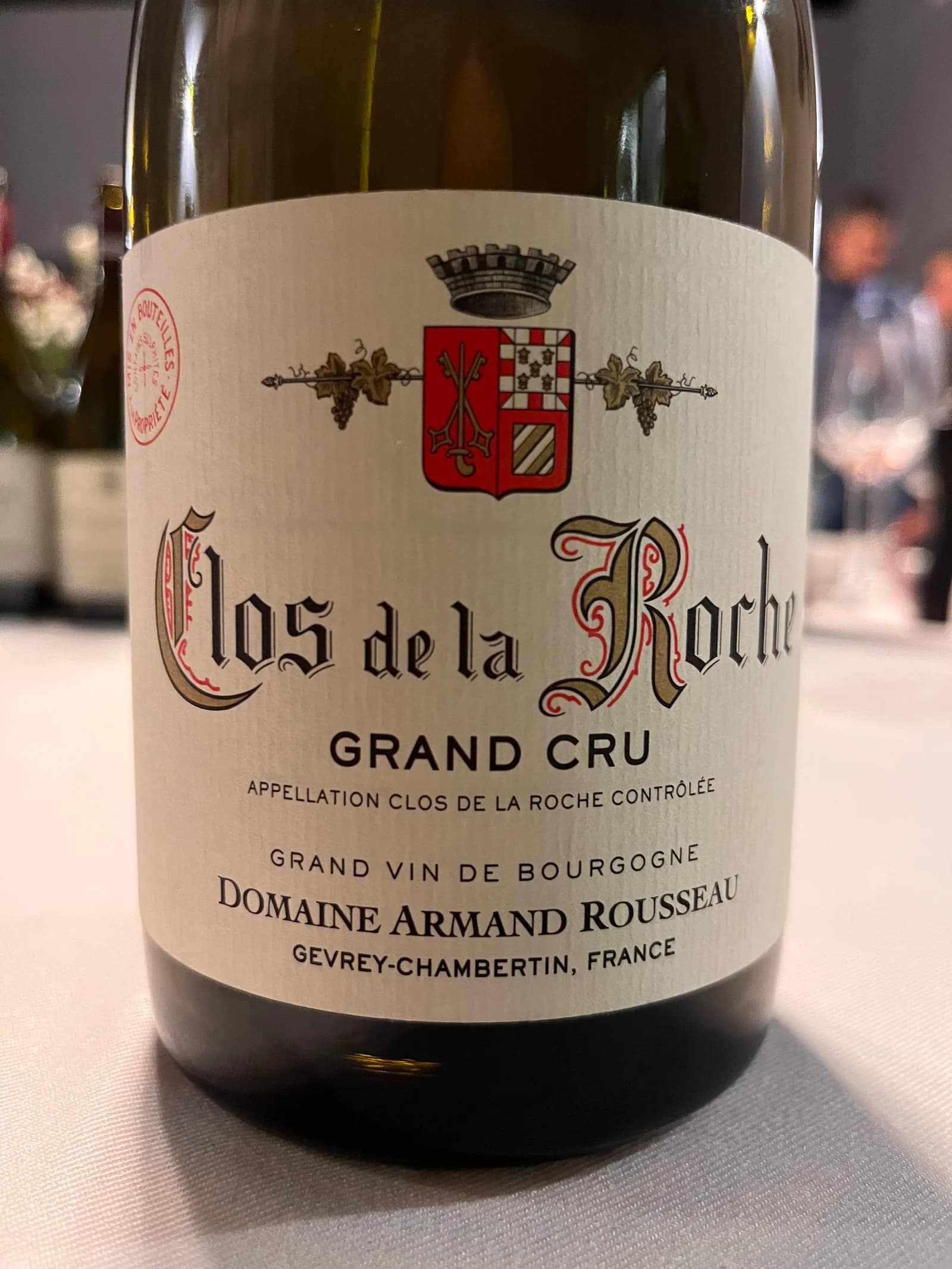
Domaine Armand Rousseau is one of those names you whisper in Gevrey-Chambertin and everyone nods. Founded in the 1930s, when Armand Rousseau started estate-bottling on Raymond Baudoin's advice - an act of quiet rebellion in a region still dominated by négociants. His son Charles joined the domaine in 1945-46 after studying oenology at Dijon, took over fully when Armand died in a 1959 car accident, and spent the following five decades building the international reputation. Clos de Bèze came in 1961, Clos de la Roche in 1965 (with further parcels added in 1975), the Clos des Ruchottes monopole in 1978. Each acquisition was a bet on a great terroir, and each paid off.
Today the estate is run by Eric Rousseau together with his daughter Cyrielle, who joined in 2014 after studying geology, oenology at Dijon, and doing harvests in Oregon, Australia, and New Zealand. Succession here is unhurried, like everything else about Rousseau.
Around 15.3 hectares in total - considerable by Burgundian standards: 8.5 in Grand Cru, 3.8 in Premier Cru, 3 in village Gevrey. They are the largest single owner of Chambertin itself (around 2.55 ha), third-largest in Clos de Bèze, sole owner of Clos des Ruchottes inside Ruchottes-Chambertin. Their 2.22 ha of Clos Saint-Jacques - the Premier Cru long argued by critics and collectors to be Grand Cru in all but name - is often the most revealing wine in the range.
Winemaking is traditionalist and consistent: roughly 90% destemming, indigenous yeasts, open-top stainless steel fermenters (not wooden cuves, despite what some sources claim), pneumatic press, about 18 months in barrel. New oak is cuvée-specific - 100% for Chambertin and Clos Saint-Jacques, around 30% for the other Grands Crus, mostly used barrels for everything else. No organic or biodynamic certification, though practice is quasi-organic: no insecticides, no chemical fertilisers, mechanical tillage. They simply don't make a thing of it.
The Rousseau signature, if there is one, is classical structure - built for the long road rather than early applause. Less extracted than Dugat-Py, less whole-cluster than Dujac, more tannic than Mugnier. A kind of Burgundian stoicism in a glass.