All producers
Bodegas Barbadillo
Spain3 wines
Sanlúcar de Barrameda manzanilla and sherry house, founded in 1821, with sixteen ageing bodegas in town
Bodegas Barbadillo is a Sanlúcar de Barrameda house, the town at the mouth of the Guadalquivir where manzanilla is made. It keeps sixteen ageing bodegas in Sanlúcar and a winemaking plant for white and red grapes, and calls itself one of the largest wineries in the Marco de Jerez.
The story starts in Mexico. Benigno Barbadillo y Hortigüela made his fortune there in property, pharmacy, lending and the import of Spanish wine. In 1821, the year Mexico declared independence from Spain, he came home with his cousin Manuel López Barbadillo and bought his first winery in Sanlúcar, El Toro. In 1827 the house shipped its first casks of manzanilla to Philadelphia. A few months later it launched Pastora, which Barbadillo calls the first bottled manzanilla in the world. Benigno died in 1837, his eldest son Manuel took over, and the business has passed down the family since.
The next turn came from outside the solera. In the late 1960s Antonio Pedro Barbadillo Romero, known as Toto, came across milder, fruitier white wines abroad that suited seafood, and set out to make one from Palomino at home. The first Castillo de San Diego came out in 1975, a still white table wine named after the street of the winery beside Sanlúcar's castle. The house says it was a best seller from the start. It is now sold as Barbadillo Blanco de Albariza.
The fruit grows on albariza, the white chalky soil of the Jerez hills, which holds winter rain and feeds the vines through the dry months. A 2016 Alimarket report puts the vineyards the house owns at 500 hectares, on the Gibalbín and Santa Lucía estates. Palomino is the backbone, the grape behind every manzanilla, fino, amontillado, oloroso and palo cortado the house makes. By its own account Barbadillo also holds the largest planting of red grapes in the region, led by Tempranillo.
In the cellar, winemaker Montserrat Molina joined in 1997 and helped build the house's research department. The house credits her with the first en rama manzanilla of the Marco de Jerez, the recovery of the nearly lost Tintilla de Rota grape and a traditional-method sparkling wine.
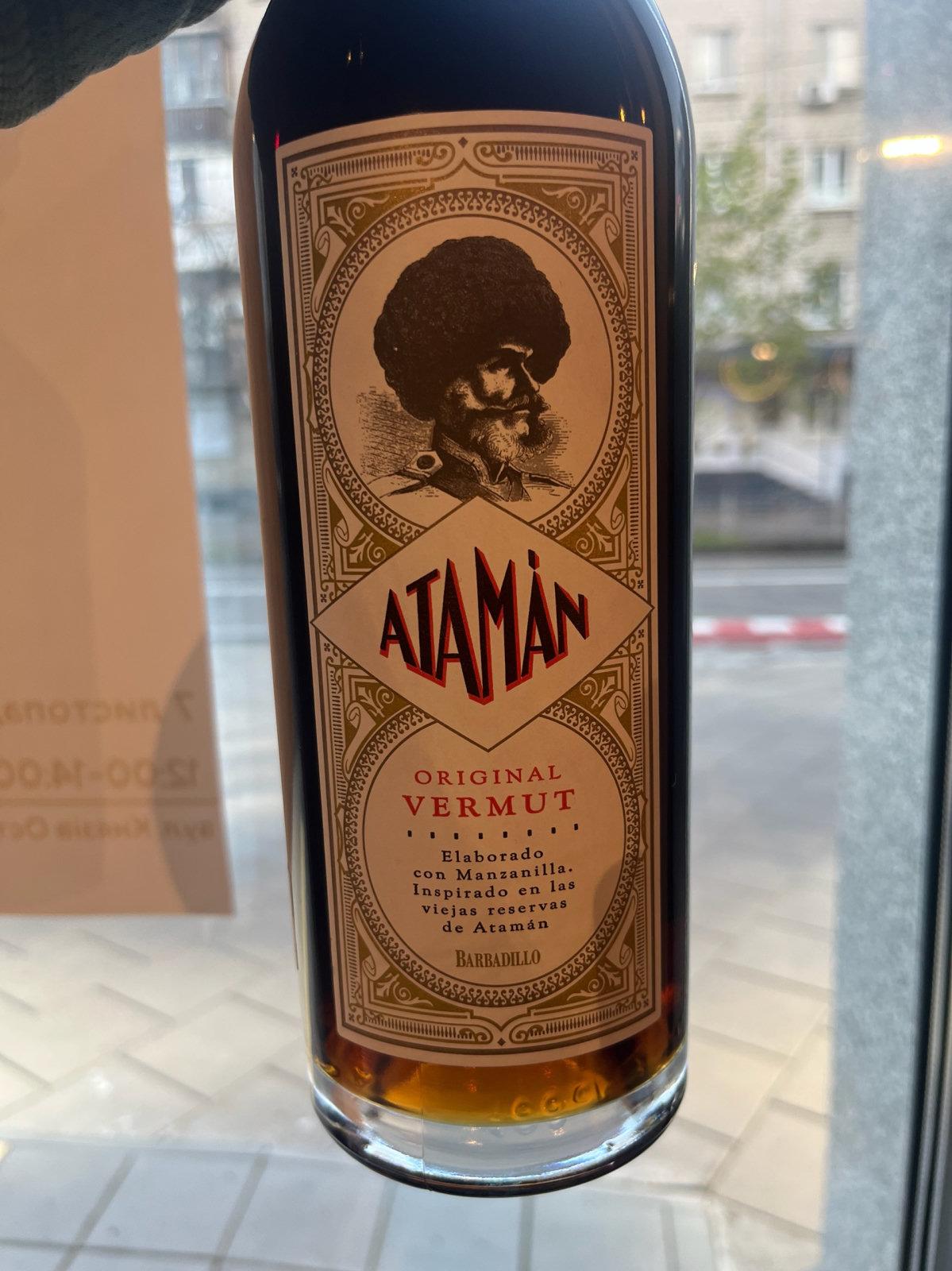
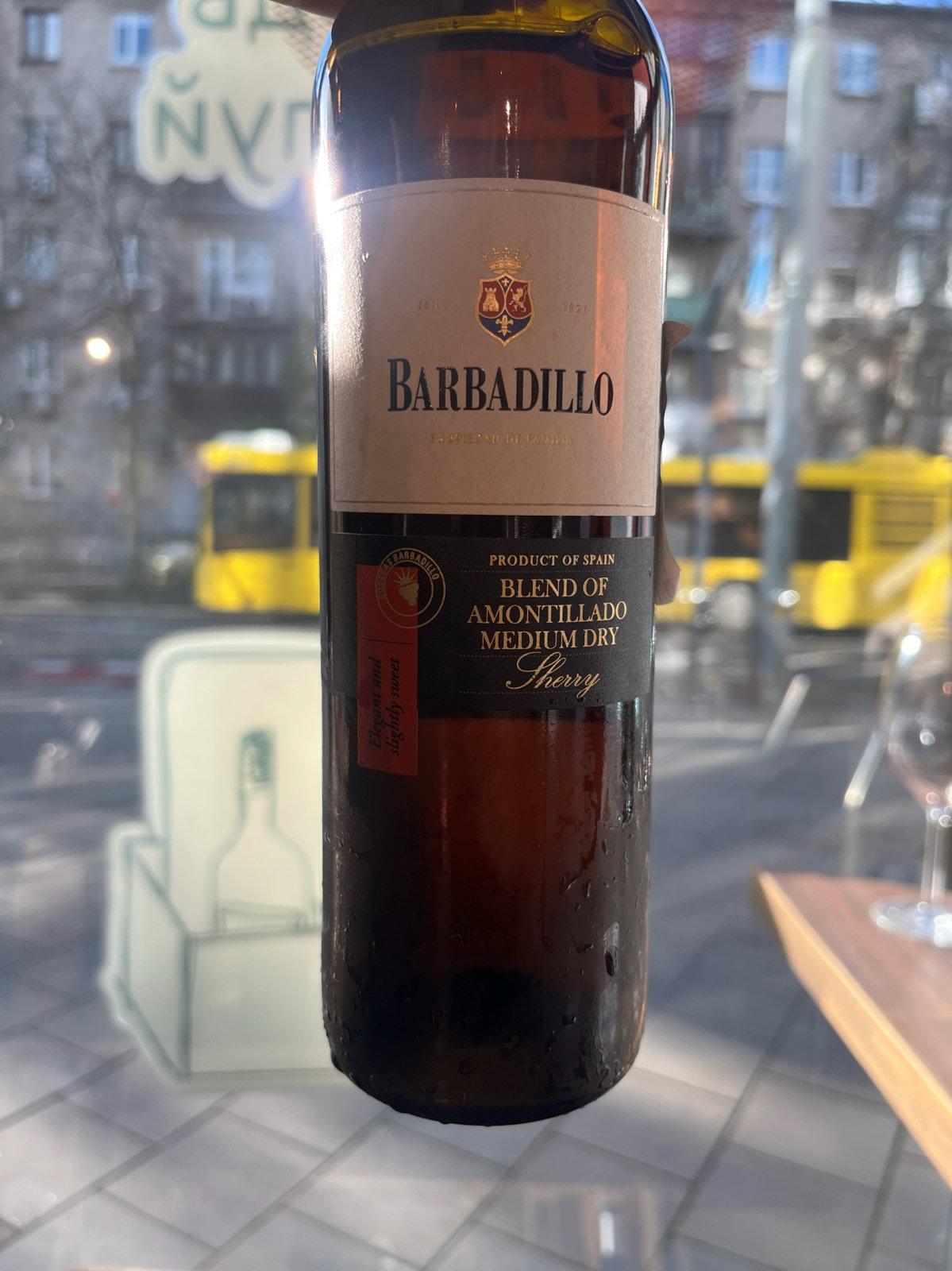
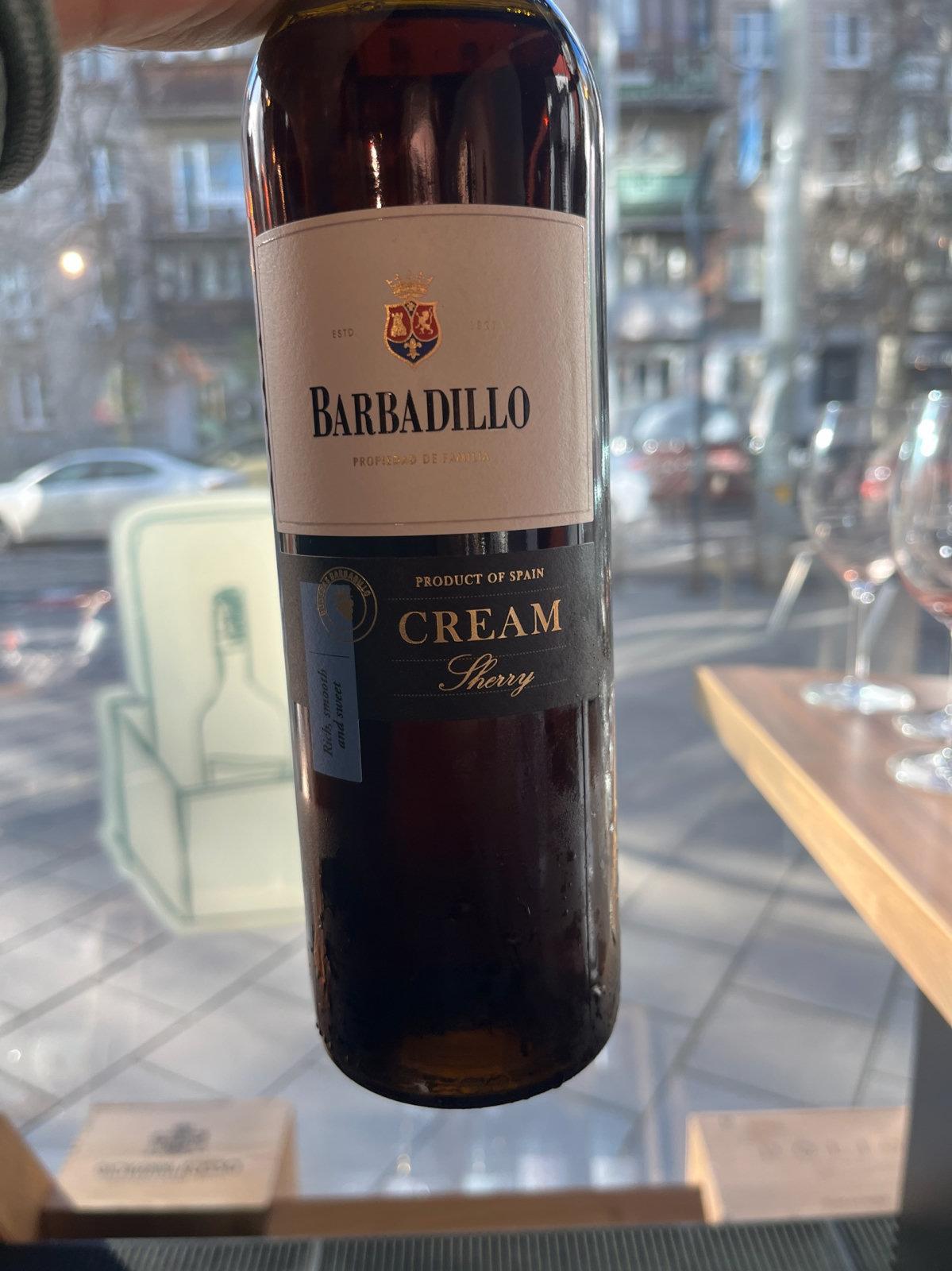
The range runs from Solear and Pastora through the sherries and Brandy de Jerez to the still wines sold as Vino de la Tierra de Cádiz and the revived Atamán vermouth. Outside Andalucía the group owns Bodegas Pirineos in Somontano, part of it since 2007, and Vega Real in Ribera del Duero. Two hundred years on, the house is still finding new things to make from Palomino.