All producers
Domaine Clarence Dillon
Pessac-Léognan, France1 wine
Domaine Clarence Dillon is the Bordeaux ownership group founded in 1935 when American financier Clarence Dillon bought Château Haut-Brion - the only 1855 First Growth located outside the Médoc. His nephew Seymour Weller managed the estate from 1935 to 1975. Clarence's granddaughter Joan Dillon, Duchesse de Mouchy (daughter of C. Douglas Dillon, US Secretary of the Treasury under Kennedy and Johnson, 1961-1965), then served as president from 1975 to 2008. Her son Prince Robert of Luxembourg, Clarence's great-grandson, joined the estate's board as a young man and has been president since 2008.
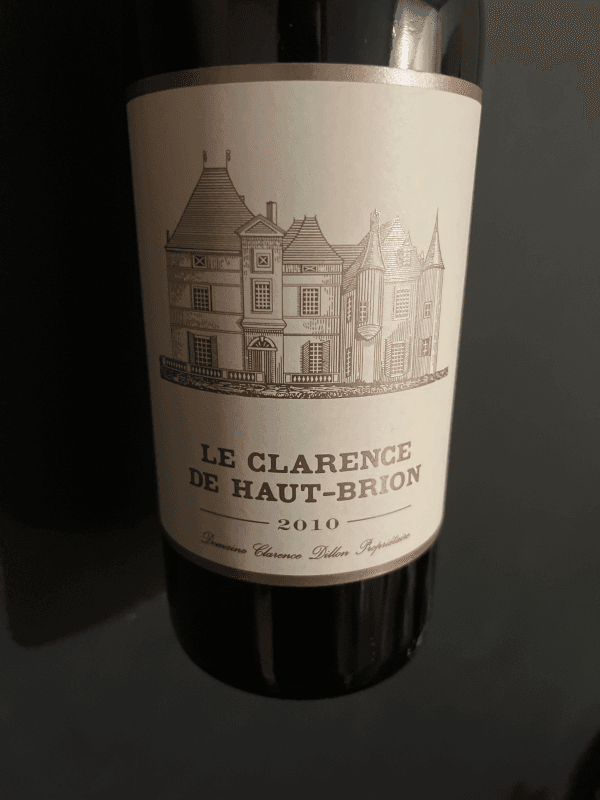
The portfolio: Château Haut-Brion (Pessac-Léognan, around 51 hectares total - 48 in red plantings, ~3 in white), Château La Mission Haut-Brion (acquired 1983 along with La Tour Haut-Brion and Laville Haut-Brion, with around 21 hectares of La Mission proper), Château Quintus in Saint-Émilion (acquired 2011 as the former Château Tertre Daugay, then expanded with the addition of Château L'Arrosée in 2012-2013; named for the Gallo-Roman convention of giving a fifth child the name Quintus - Dillon's fifth estate), and Clarence Dillon Wines, the négociant arm that produces Clarendelle and Le Clarence de Haut-Brion.
Haut-Brion sits on two gentle gravel croupes in the commune of Pessac, an urban suburb of Bordeaux. The gravel beds range from 20 centimetres to more than three metres deep, over a subsoil of clay, sand, limestone, and shelly sand from end-Tertiary and Quaternary ice-age deposits. The Peugue and Serpent streams (Garonne tributaries) handle drainage. In the cellar, Haut-Brion pioneered stainless-steel fermentation among the great growths in 1961 and has stayed with that vessel ever since.
Pessac-Léognan AOC itself was carved out of the northern Graves only in 1987 - relatively recent compared to most Bordeaux appellations.