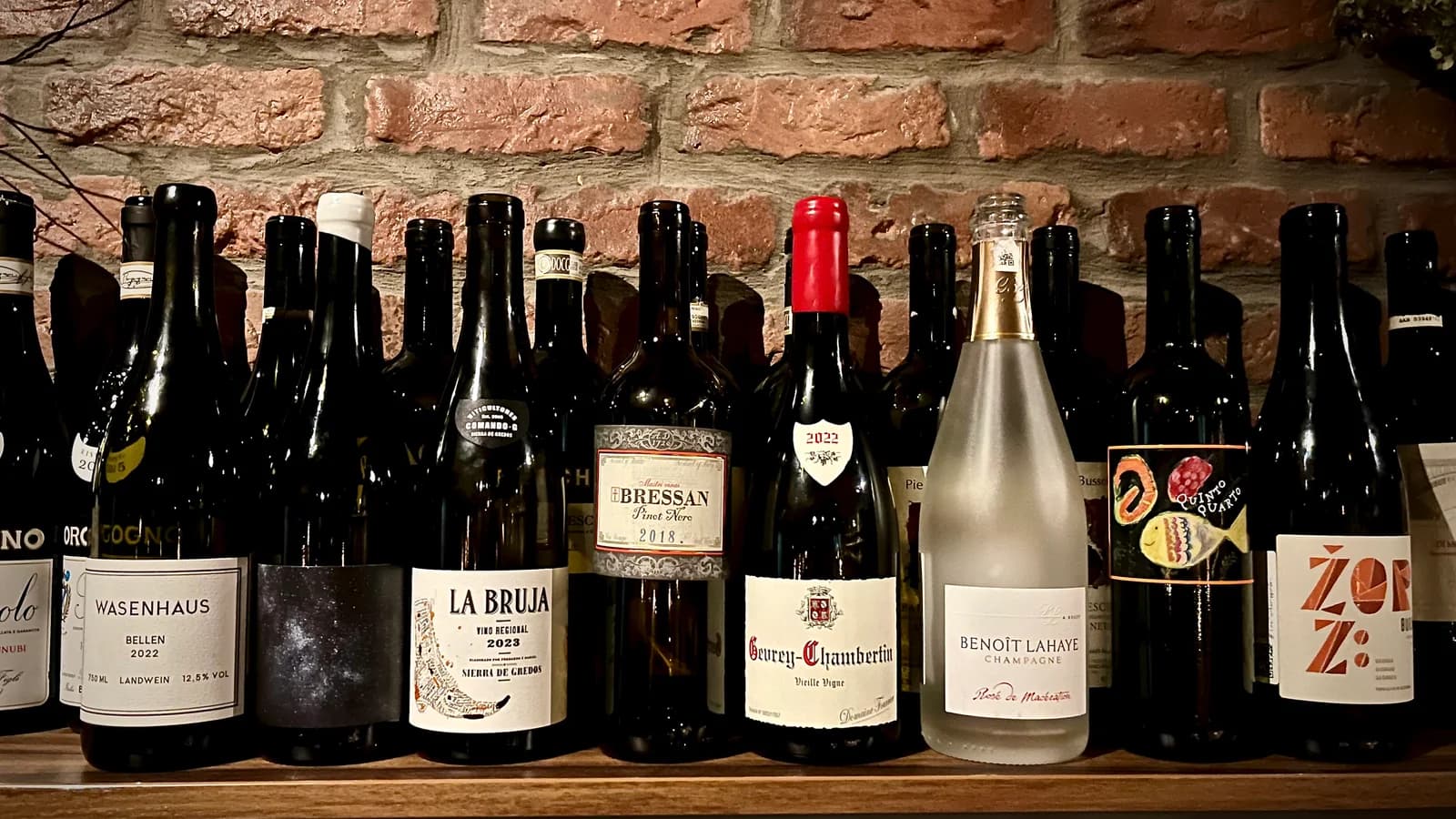
π-not vol. 2
The Pinot family reunion continues - wider map, deeper contradictions, same question.
By Boris · Hosted by Boris Buliga
Two years ago, π-not was born from a simple itch - to explore what Pinot can be when you stop insisting it be Noir. We poured Blanc, a macerated Gris, even a Grigio that had somehow turned red. The name stuck, and so did the question.
This time, the question grew a twist. "π-not" has always carried a double reading - Pinot and not-Pinot - and volume two leans into the contradiction. Seven of the nine wines come from the Pinot family: Blanc from Baden, Noir from England, Burgundy, Champagne, Friuli and Slovenia, an amber skin-contact wine from Collio. Two step outside the family entirely - Comando G's Garnacha from the granite heights of Sierra de Gredos, and Bressan's Moscato Rosa, produced by the same ninth-generation family whose Pinot Nero sits three wines away on the table. That pairing is the evening's quiet punchline: one house, one philosophy, both sides of the name.
The map is wider than last time. Wasenhaus returns - the one constant between editions, a Burgundian soul rooted in German soil. Around it, the geography has stretched: an English Pinot Noir from Essex, Fourrier's old-vine Gevrey-Chambertin standing as the Burgundian benchmark, Lahaye's macerated rosé from Bouzy, and a dense cluster of three producers along the Italian-Slovenian border - Bressan, Terpin, Burja - where Pinot has been quietly thriving in flysch and ponca soils for centuries, mostly indifferent to what the rest of the wine world thinks.
Spring again. Same game, broader reach. Pinot or not - the glass will sort it out.
Wasenhaus Weissburgunder Bellen 2022
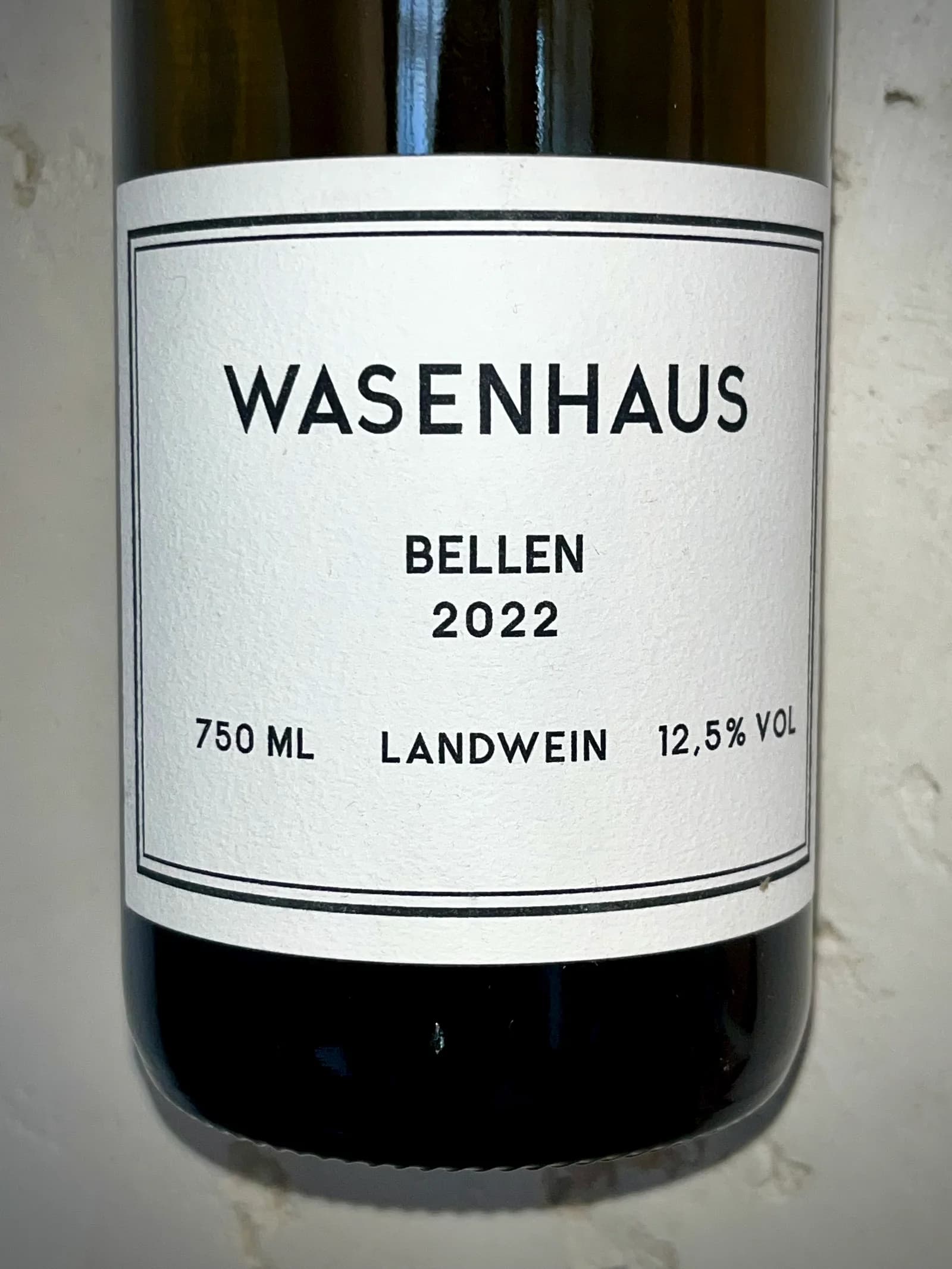
Wasenhaus returns from π-not vol. 1 - the one thread connecting both editions. Founded by Christoph Wolber and Alexander Götze, who met during their enological studies in Burgundy and decided to bring that sensibility home to Baden, Germany. Their vineyards sit on steep limestone-clay slopes in Kirchhofen, with vines over fifty years old, farmed organically with biodynamic principles. The winemaking is Burgundian in spirit: gentle extractions, minimal intervention, judicious use of sulfur.
The Bellen 2022 is 100% Pinot Blanc (Weissburgunder). Whole-cluster pressed, then fermented and aged for 12 months in used French oak on lees, followed by 6 months in stainless steel, also on lees.
The full note is for members.
Join to read it and the restGutter&Stars The Dark End of the Street Pinot Noir 2023
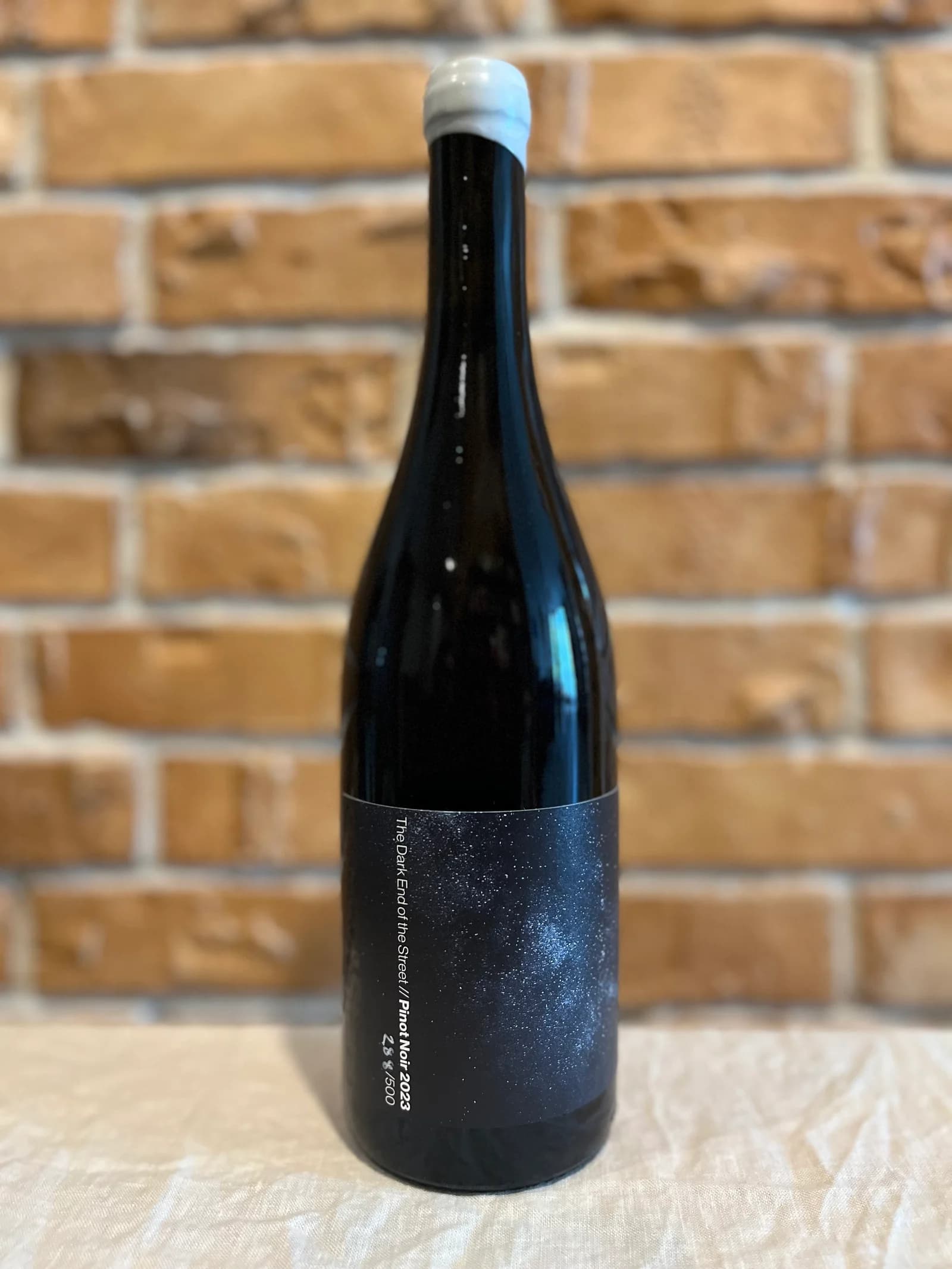
Gutter & Stars is a small natural wine project based in Essex, England - a sentence that would have sounded absurd a decade ago. Their vineyards in the Crouch Valley (Missing Gate Vineyard) sit in one of the driest, sunniest corners of England, and they're proving that cool-climate Pinot Noir doesn't need Burgundy's postcode to be taken seriously.
The Dark End of the Street Pinot Noir 2023 is hand-picked in late October, destemmed, given a 48-hour cold soak, then fermented for 18 days in open-topped vessels. Aged 13 months in 228L French oak barriques, with malolactic fermentation in barrel. The name comes from the James Carr soul classic - fitting for a wine that's moody, intimate, and quietly intense.
The full note is for members.
Join to read it and the restComando G La Bruja 2023
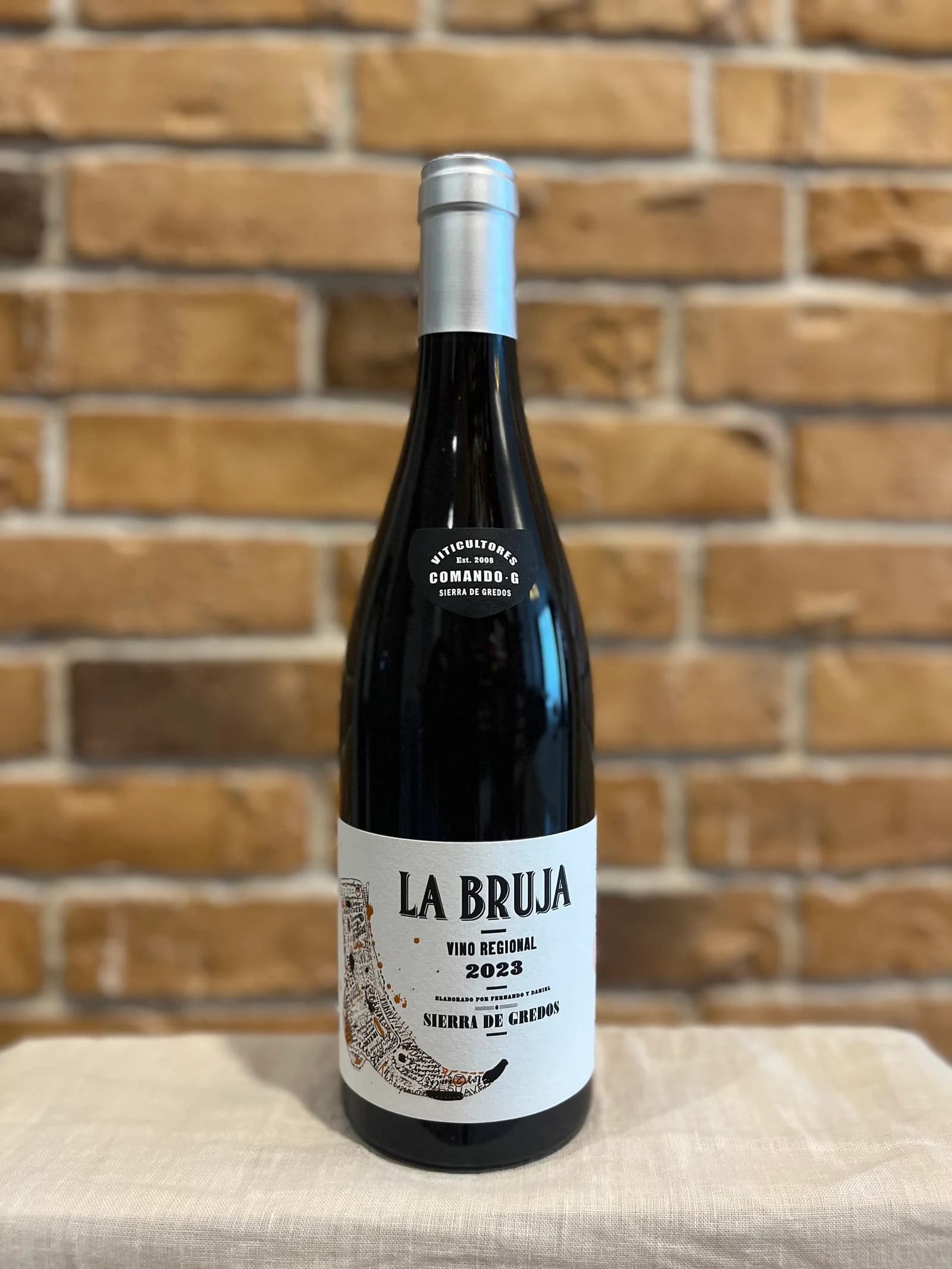
Comando G is Fernando García and Dani Landi, working in the Sierra de Gredos mountains west of Madrid. Their project focuses on old-vine Garnacha grown at high elevation on granitic sand - conditions that produce wines of startling freshness and delicacy from a variety more often associated with power. Biodynamic farming, natural yeast fermentation, minimal intervention.
La Bruja 2023 is 100% Garnacha from Cebreros. The name means "the witch" - and the wine casts its spell through understatement rather than force. Long maceration, 9 months in oak vats. This is the deliberate outlier in our lineup: not Pinot, but a wine that speaks the same dialect of elegance, minerality, and transparency.
The full note is for members.
Join to read it and the restBressan Pinot Nero 2018
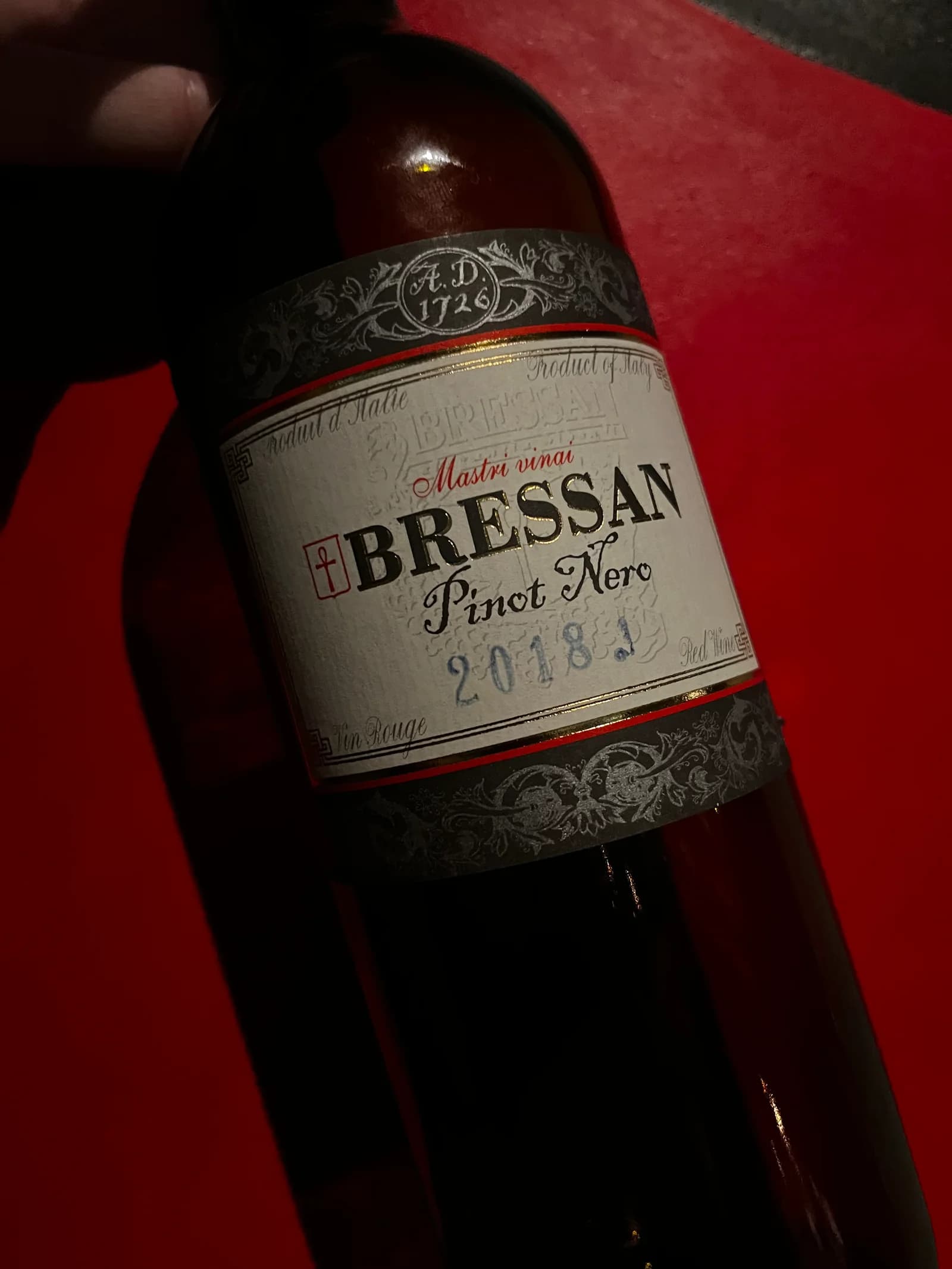
The Bressan family has been making wine in Farra d'Isonzo, on the Italian-Slovenian border in Friuli, for nine generations - since the eighteenth century. They reject modernity with a stubbornness that borders on philosophy: no synthetic inputs, no technology for technology's sake, everything manual and sustainable. The wines are uncompromising, built for time, and utterly individual.
The Pinot Nero 2018 is 100% Pinot Noir, spontaneously fermented with a slow 30-day maceration at 24°C, then aged for over two years in large Slavonian oak barrels. This is Pinot Nero as Friuli imagines it - spicy, mineral, intense, with none of the prettiness that Burgundy trains you to expect.
The full note is for members.
Join to read it and the restDomaine Fourrier Gevrey-Chambertin Vielle Vigne 2022
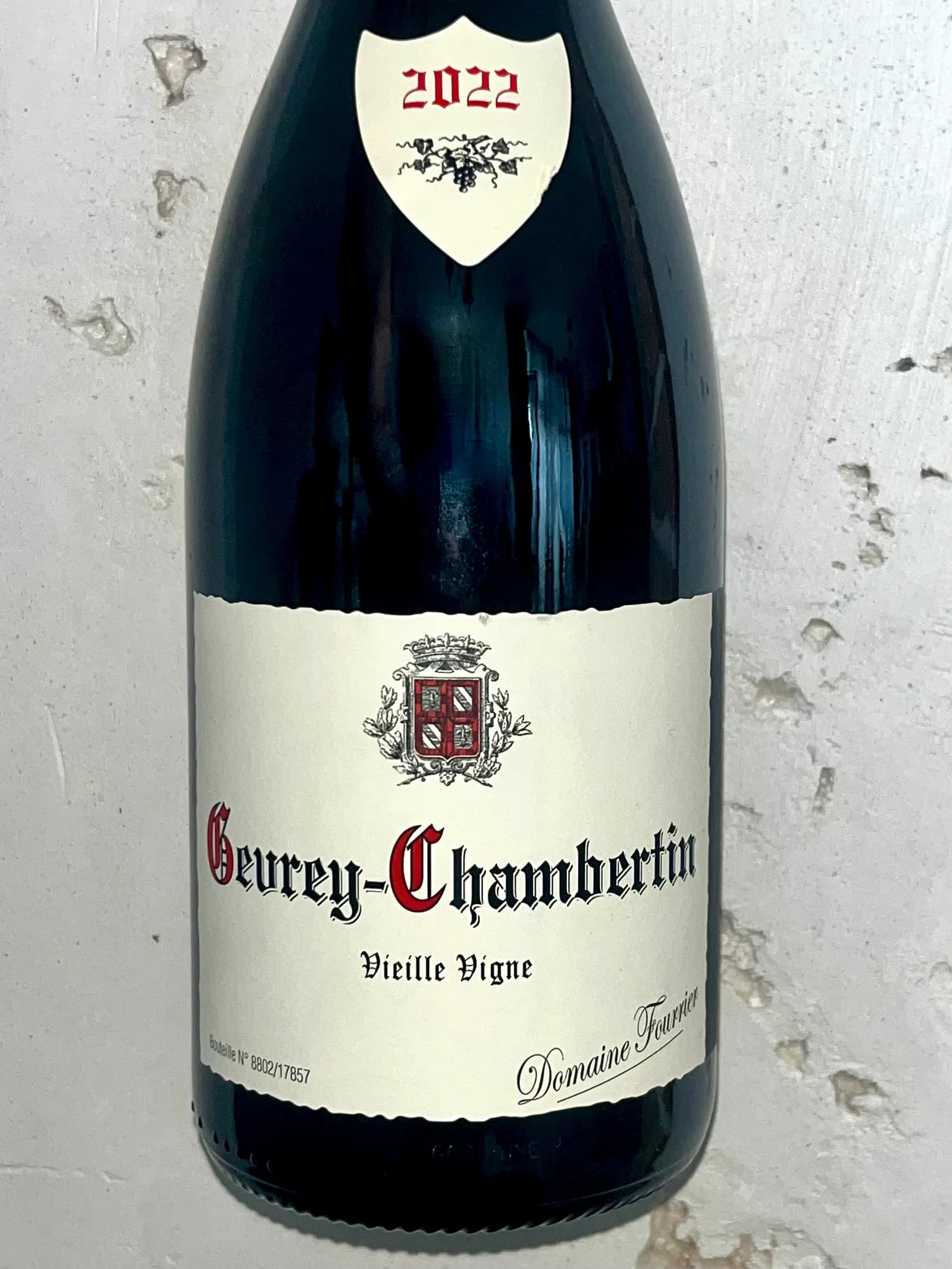
Jean-Marie Fourrier represents the quiet end of Burgundy's aristocracy. Trained by Henri Jayer and at Domaine Drouhin in Oregon, he returned to his family's domaine in Gevrey-Chambertin with a philosophy of restraint: maximum 20% new oak, no fining, no filtering, wines bottled directly from cask. The result is Burgundy stripped of theatre - precise, transparent, and deeply site-specific.
The Gevrey-Chambertin Vieille Vigne 2022 comes from old vines averaging 50 - 70 years. Fourrier only uses vines over 30 years old for this cuvée, believing younger vines lack the depth to express terroir honestly. This is the Burgundian benchmark of the evening - the reference point against which every other Pinot in the lineup reveals its own accent.
The full note is for members.
Join to read it and the restBenoît Lahaye Rosé de Macération a Bouzy (d2023) NV
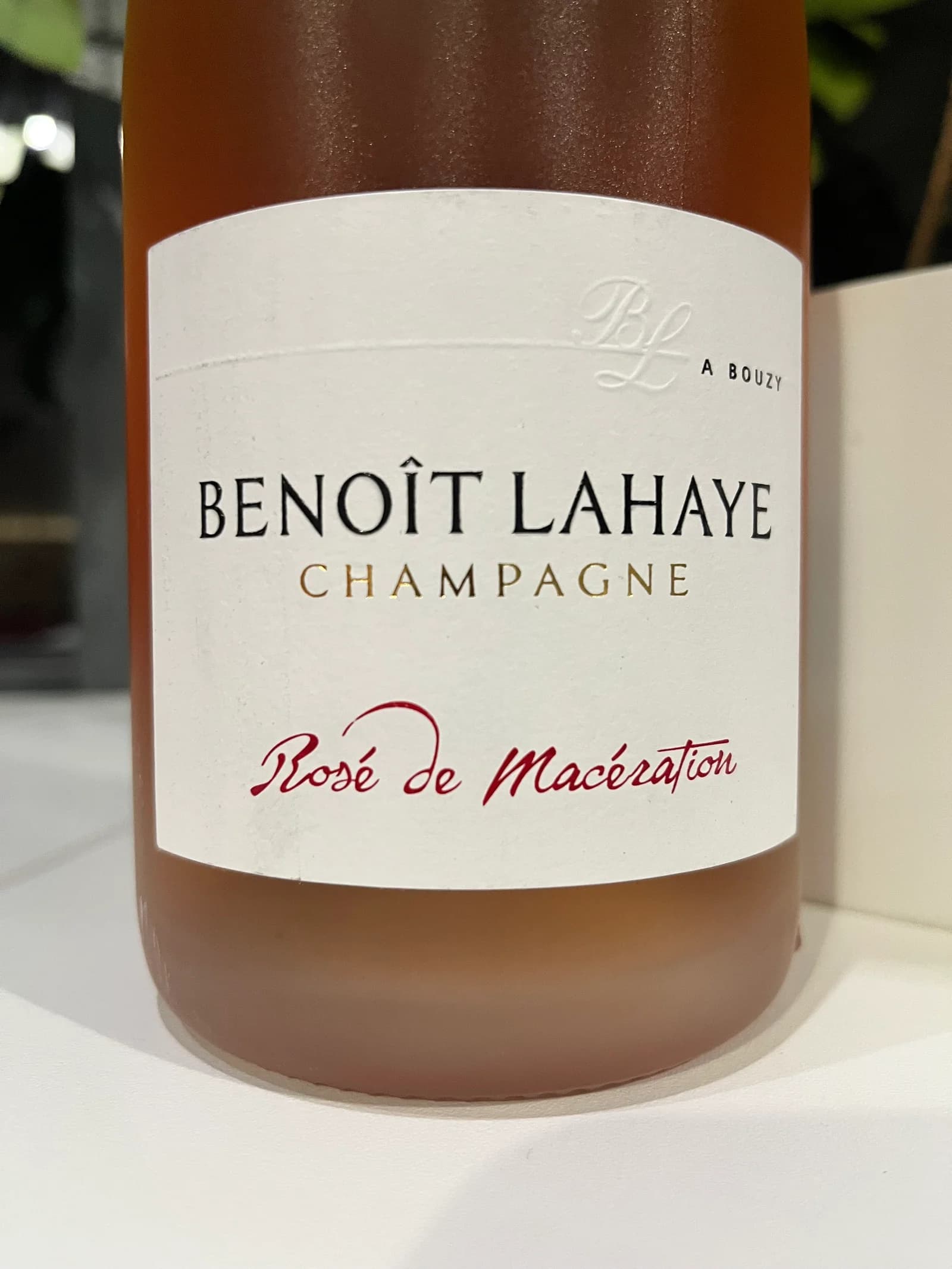
The Lahaye family has been growing vines in Bouzy - Grand Cru on the Montagne de Reims - since 1930. Benoît Lahaye farms biodynamically and vinifies with a natural winemaker's instinct: oak barrels and amphorae for fermentation, minimal dosage, no shortcuts. His Champagnes are muscular and precise, with a seriousness that reflects Bouzy's reputation as one of the finest Pinot Noir terroirs in all of Champagne.
The Rosé de Macération is 100% Pinot Noir from 40+ year-old vines in the Lieu-Dit "Les Juliennes." Made via saignée - whole-bunch maceration for 2 - 3 days, then direct press. Vinified in oak barrels and amphorae. Extra Brut, with dosage under 3 g/l. This is rosé Champagne as a statement, not an afterthought.
The full note is for members.
Join to read it and the restTerpin Quinto Quarto 2020
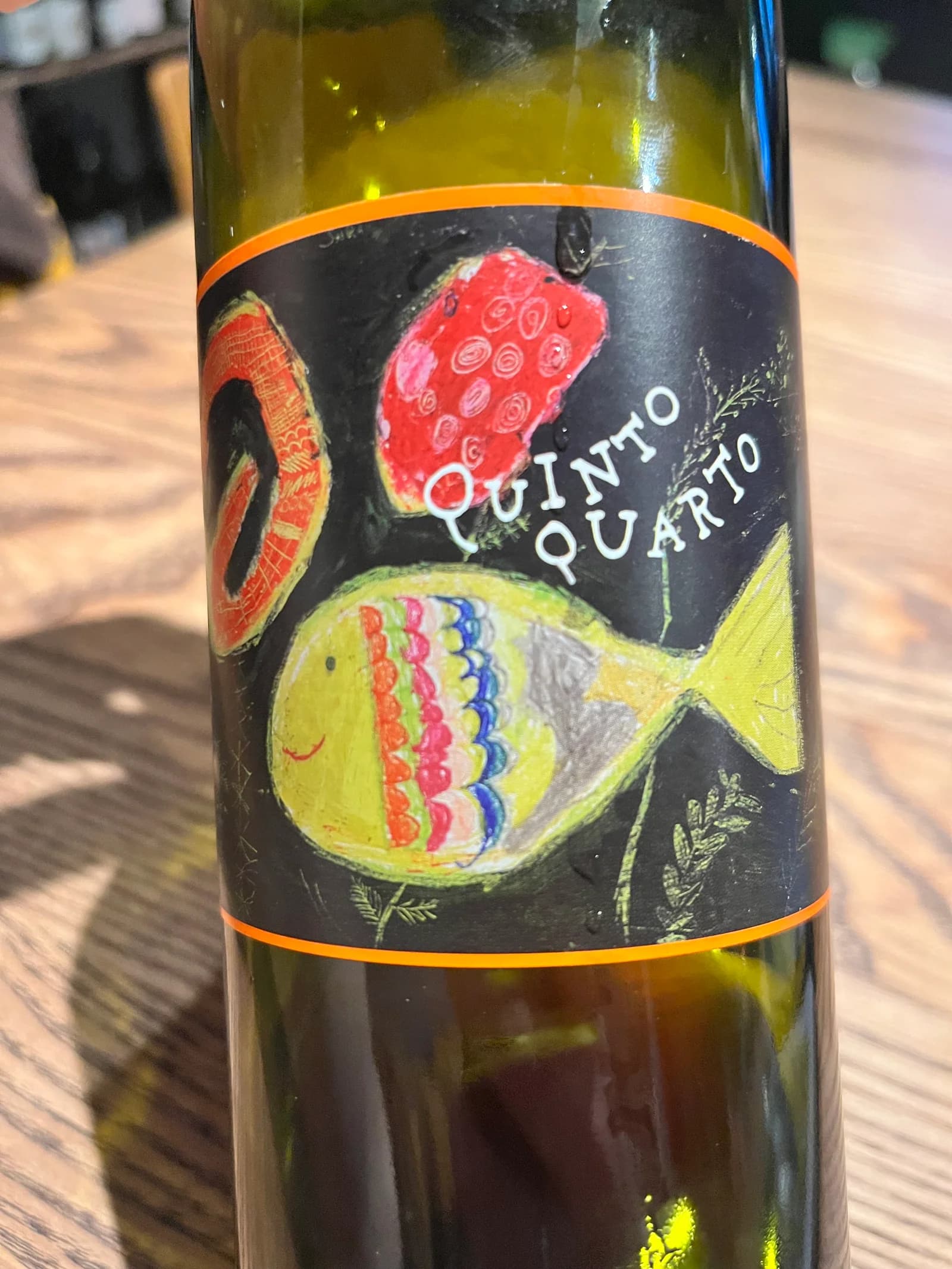
Franco Terpin works in San Floriano del Collio, on Friuli's border with Slovenia - the same flysch soils of marlstone and sandstone that define the region's greatest natural wines. A quiet radical, Terpin makes skin-contact whites that belong to the orange wine tradition pioneered by his neighbours Gravner and Radikon, but with his own restrained hand.
Quinto Quarto 2020 is 100% Pinot Grigio with extended skin maceration - the variety's pinkish-grey skins giving the wine its amber hue and tannic grip. The name means "fifth quarter" - the offcuts, the overlooked parts. A fitting name for a grape variety most of the world treats as bulk commodity, transformed here into something with texture and personality.
The full note is for members.
Join to read it and the restBurja Žorž: 2020
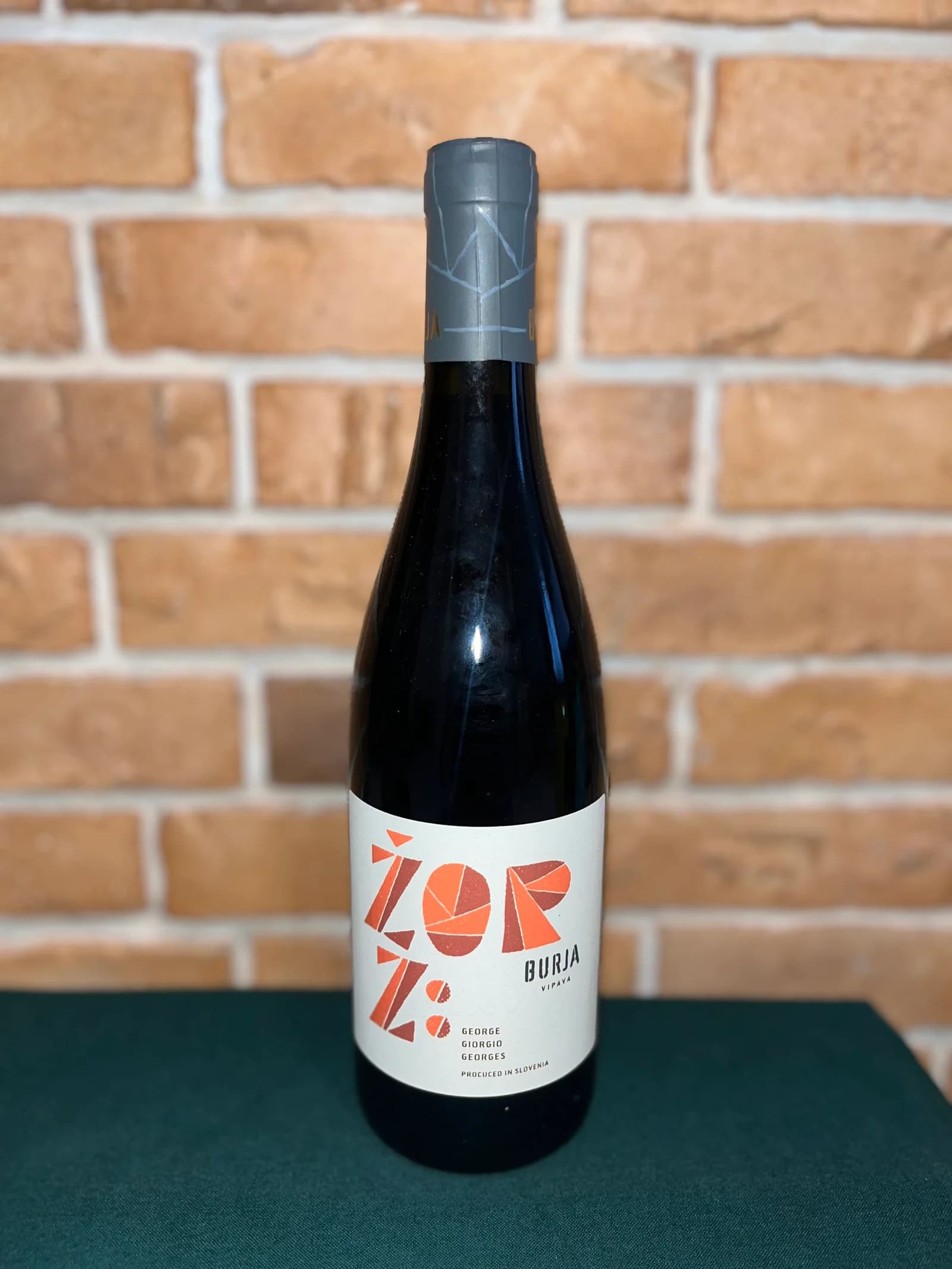
Burja Estate sits in the Vipava Valley, Slovenia - just across the border from Friuli's Collio. The Lavrencic family has been making wine here since 1499. Primož Lavrencic carries the tradition forward with a modern-yet-rooted approach: hand-harvested grapes, whole-cluster fermentation, ageing in large Slavonian oak. The wines are shaped by flysch soil, modest elevation, and the Burja wind - the cold northerly blast that gives the estate its name.
Žorž 2020 is 100% Modri Pinot (Pinot Noir) from the Zadomajc vineyard - a tiny 0.6-hectare parcel inherited through Primož's mother. The name "Žorž" (Georges) honours that family line. Twenty-year-old vines, east-north exposure, fermented whole-cluster and aged in 1500L Slavonian oak barrels.
The full note is for members.
Join to read it and the restBressan Rosantico 2017
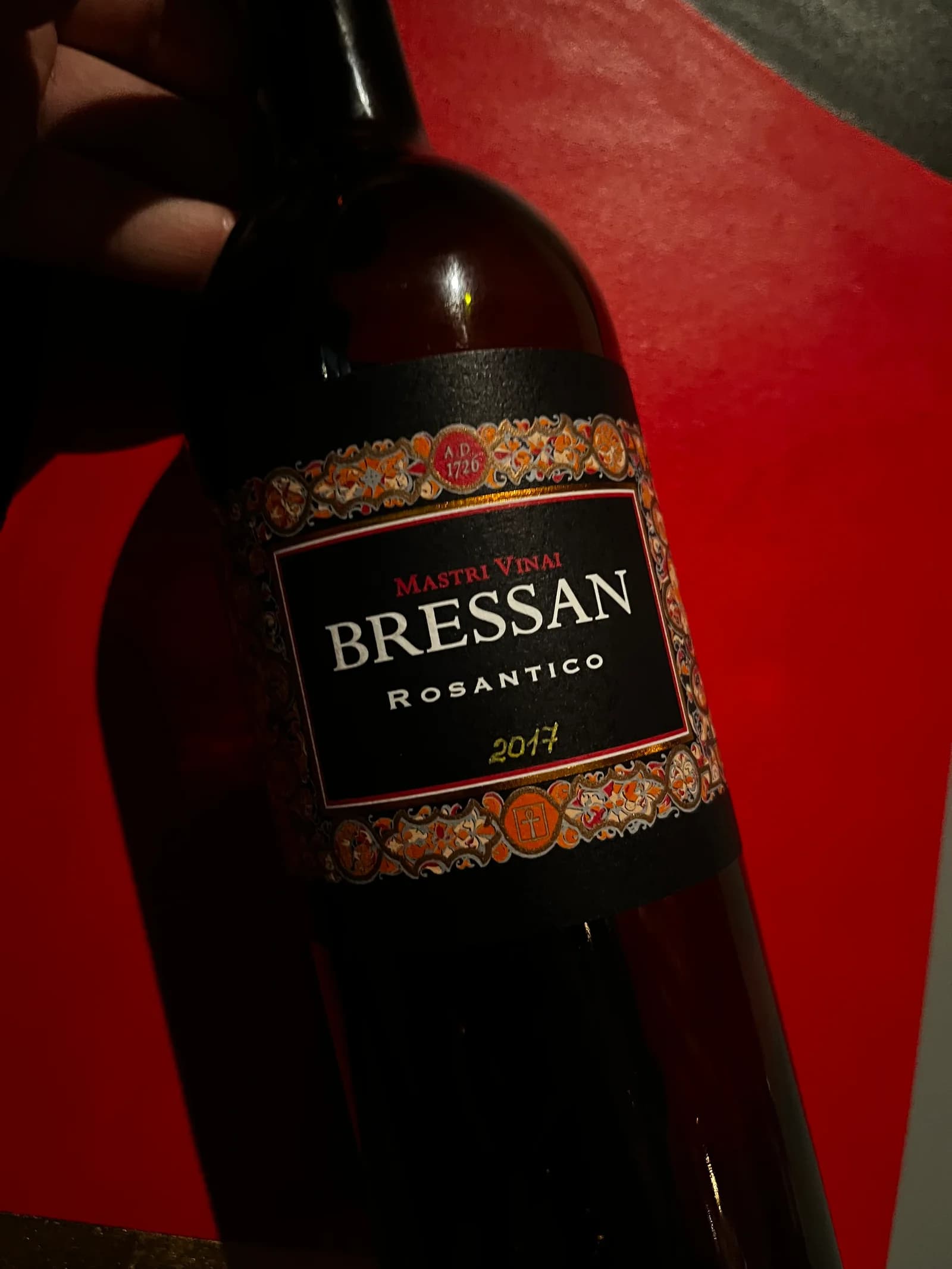
Back to Bressan - the same ninth-generation family from Farra d'Isonzo, now on the other side of the π-not divide. Moscato Rosa is one of Italy's rarest and most capricious grapes: tiny yields, prone to coulure and millerandage, demanding manual care at every stage. The Bressans coax barely a pound of fruit per vine from it.
Rosantico 2017 is 100% Moscato Rosa. Spontaneously fermented, briefly macerated on skins, aged in steel, and bottled unfiltered. The name - a portmanteau of "rosa" and "antico" - captures what the wine is: something ancient and floral, aromatic in a way that no Pinot variety could replicate. The evening's second outlier, and its most fragrant farewell.
The full note is for members.
Join to read it and the rest