Region
France › Champagne › Champagne AOC
Type
white · traditional · sparkling · extra-brut
Grapes
Chardonnay, Pinot Meunier, Pinot Noir
Alcohol
12%
Volume
750 mL
Disgorged
2024-02
On lees
~78 months (~7 years)
Tasting Notes(1)
4.1
The full note is for members.
Join to read it and the restAbout
Veuve Clicquot launched Extra Brut Extra Old (EBEO) in 2017 as a deliberate inversion of the standard non-vintage model. Where most NV Champagne is built around a current-vintage base wine with reserve wines added for complexity (typically 30-50% reserve), EBEO is a multi-vintage cuvée assembled exclusively from reserve wines around thirty years old - no base vintage at all. 100% réserve.
The 'Extra Old' refers to a kind of double ageing: reserve wines are conserved on their lees in stainless steel tanks at Reims, vintage by vintage and plot by plot, for years before assemblage; then the assembled cuvée goes through prise de mousse and ages again sur lie in bottle. The 'Extra Brut' comes from the 3 g/l dosage. Bottled at the lower pressure of 4.5 bar (vs. the usual 6), giving a creamier, less aggressive mousse - closer in texture to a still wine.
Dominique Demarville started work on the project in 2011; the conceptual goal was to extract and amplify what reserve wines bring to Yellow Label. Four releases so far:
- EBEO 1 (2017): 1988, 1996, 2006, 2008, 2009, 2010
- EBEO 2: 1990, 1998, 1999, 2006, 2008, 2009, 2010, 2012
- EBEO 3 (2021): 1990, 1998, 1999, 2008, 2009, 2012, 2013, 2014
- EBEO 4: this bottle
EBEO 4 - technical:
- Assemblage: 50% Pinot Noir, 30% Chardonnay, 20% Meunier
- Reserve vintages: 1996, 2008, 2010, 2012, 2013, 2014 (six vintages, 100% reserve)
- Pre-tirage ageing: each reserve wine kept on fine lees in stainless steel, vintage by vintage, plot by plot - minimum 3 years before assemblage; the 1996 component sat on lees for ~21 years before tirage
- Tirage: 2017, at 4.5 bars
- Sur lie in bottle: bottled 2017, this bottle disgorged February 2024 - roughly 6.5 years on lees in the crayères
- Disgorgement: February 2024 (a later batch; the headline disgorgement was November 2023)
- Dosage: 3 g/l (Extra Brut)
- ABV: 12%
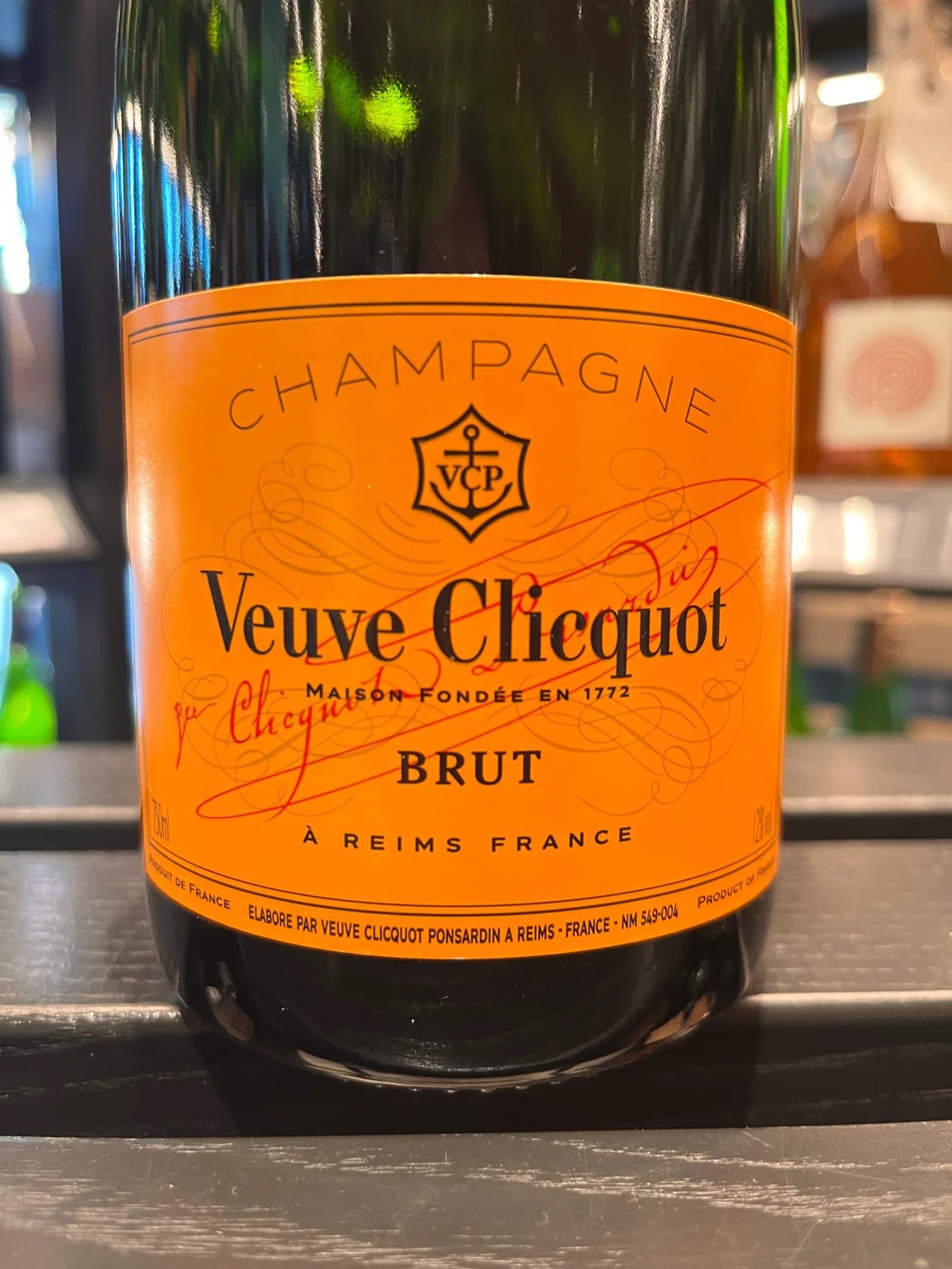
- Bottle code: NM 549-004
The maison farms ~382 ha across Montagne de Reims and Vallée de la Marne; the reserve programme draws from across the holdings rather than any single cru. EBEO 1 disclosed one signature village per vintage as a kind of identity card (Cramant 1988, Aube 1996, Verzy 2006, Villers-Marmery 2008, Aÿ 2009, Ville-Dommange 2010); that practice doesn't appear to have continued for releases 2-4.
EBEO 4 is a transitional bottle stylistically: tirage was in 2017 under Demarville (still chef de cave at the time), but disgorgement and dosage decisions in late 2023 / early 2024 fall under Didier Mariotti, who took over in 2020. Built by one cellar master and finished by another.