Region
Moldova › Valul lui Traian
Type
white · still
Grapes
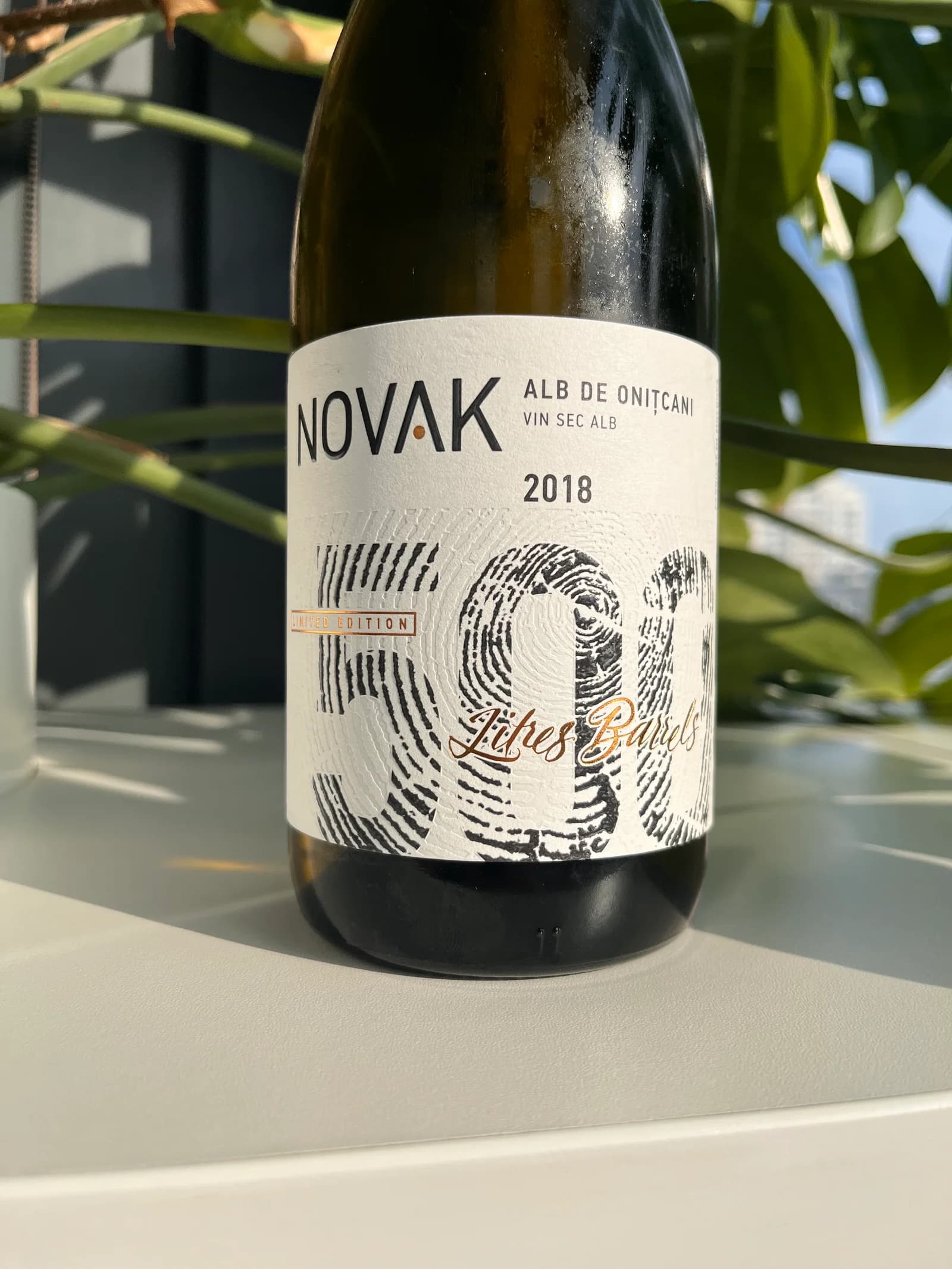
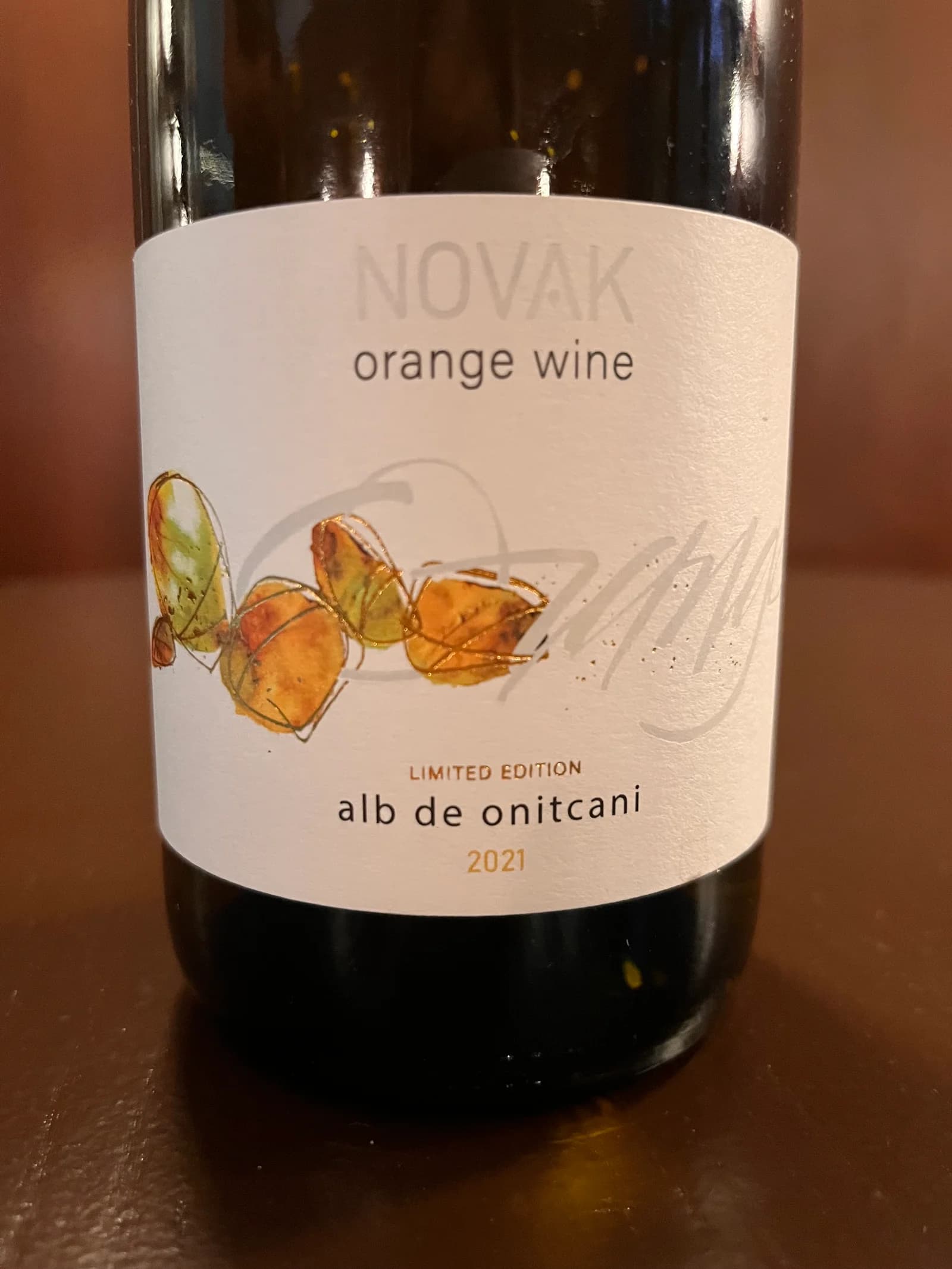
Alb de Oniţcani
Alcohol
12%
Volume
750 mL
Tasting Notes(1)
3.6
The full note is for members.
Join to read it and the restAbout
⚠️ Much of the narrative presented here is derived from insights shared by Dmitry Grachov, based on his conversations with Andrei Novak.
The 2022 Alb de Oniţcani from Novak Winery brings a piece of Moldova's viticultural history to the glass. The grape, Alb de Oniţcani, is a product of dedicated research carried out by the Chișinău Agrarian Institute and Moldovan Wine Research Institute "Vierul" back in the 1960s. Behind its complex name and origin, led by researchers D. Verderevschi, C. Voitovici, I. Naidenova, and a team of co-authors, this grape stands out for its robustness. With strong resistance to cold, mold, rot, and mildew, Alb de Oniţcani is engineered for resilience.
Its unique characteristic of late ripening and inherent high acidity made it a predominant choice for bulk wine production, especially when grown in the colder Codru region. However, Andrei Novak saw potential beyond the bulk. Riding on the subtle advantages of climate change and leveraging the grape's characteristics, in 2016, Novak produced the market's first single-varietal Alb de Oniţcani wine. This distinct offering traces its roots to vines planted between 2008 and 2009 in the village of Tartaul, located in the warm Valul lui Traian zone in Southern Moldova.
The winemaking process itself is both traditional and rigorous: grapes are harvested, sulfited, and the must is left in contact with the grape skins for 5 hours at a temperature of 14-15°C. Bentonite is used to clarify the must, followed by fermentation at 18-20°C over a period of 7-9 days. The wine is then treated with cold to prevent any malolactic fermentation, which is particularly crucial for the Villard trait that tends to cloud the wine.
Releases of White Label Alb de Oniţcani Classic
2 releases| Release | Score | QPR | Price |
|---|---|---|---|
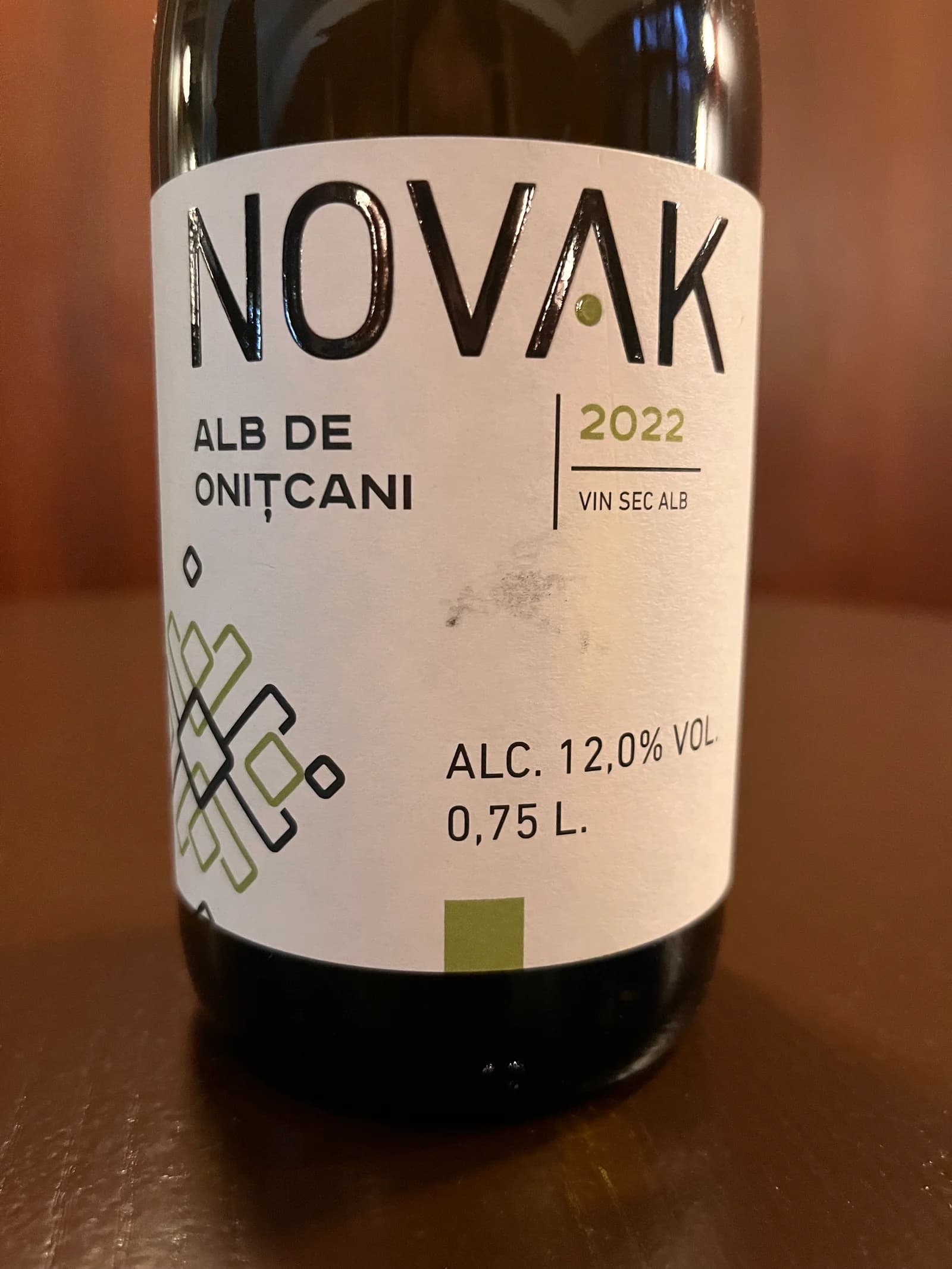 2022this page 2022this page | 3.6 | 2.51steal | 140 MDL |
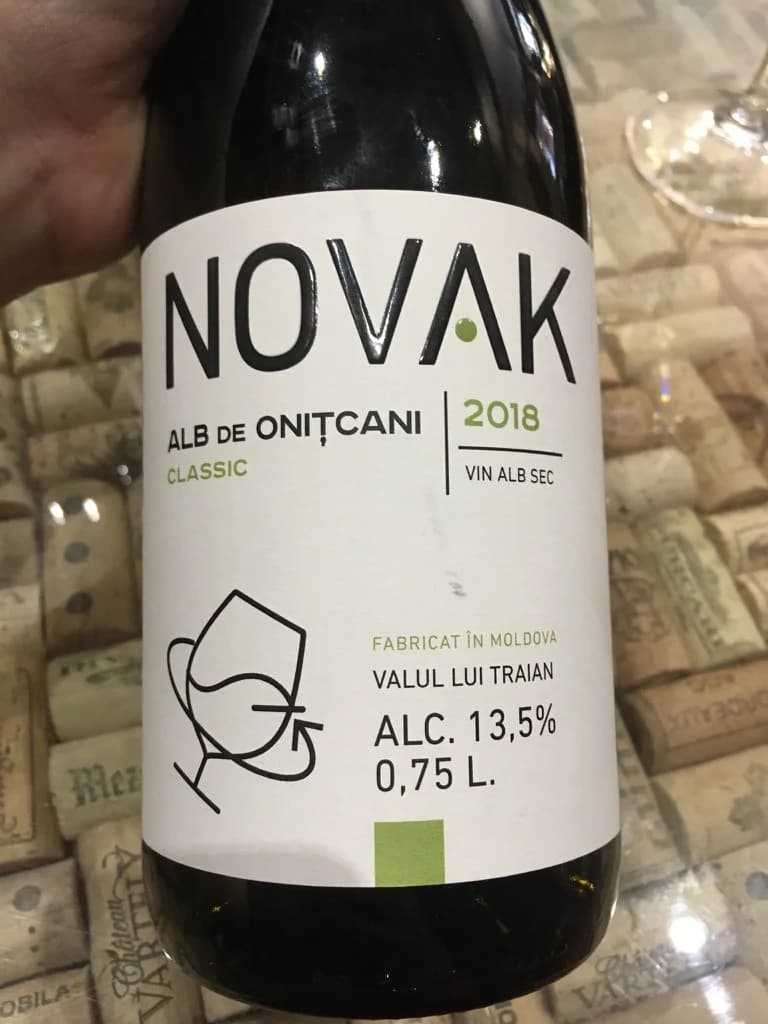 |