All producers
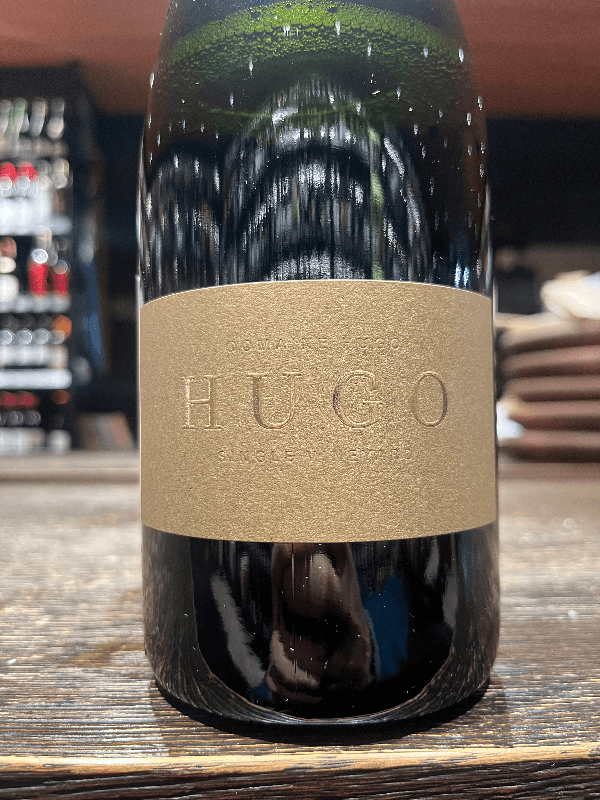
Domaine Hugo
Wiltshire, England1 wine4.0 avg
Hugo Stewart's biodynamic estate on the Wiltshire chalk - traditional Champagne varieties at the family farm, vinified by Daniel Ham, with fifteen years of biodynamic farming in the Corbières as a warm-up.
Domaine Hugo's farming story doesn't start with grapes - it starts with pigs. The family farm, Botley's, near the Wiltshire chalk, had passed from Hugo Stewart's grandmother to his uncle to him, and pigs were the obvious next move. Until Hugo wanted a year off. He rented the place to a neighbour and went to France, planning to come back in twelve months.
Then his friend Paul Old visited him in the Corbières, fell hard for the place, and decided the two of them should make wine together. The plan changed.
That collaboration became Les Clos Perdus, a biodynamic domaine the two ran for over a decade, with Hugo on viticulture. A handful of early visits to conventional growers settled the direction quickly: organic from the start, biodynamic shortly after on a neighbour's recommendation. Even Nicolas Joly noticed and became one of their loudest advocates - which, in biodynamic circles, is roughly the same as being canonised.
By 2015 Hugo wanted to be home with his family. He came back to Wiltshire convinced the windswept chalk soils of Botley's could grow real wine, and planted a handful of traditional Champagne varieties: Chardonnay, Pinot Noir, Pinot Meunier, and Pinot Gris. Fifteen years of biodynamics in France was a useful place to start from scratch.
The first home-grown vintage, in 2018, went up the road to the Langham estate to be vinified by their young head winemaker, Daniel Ham. Daniel got excited enough by the fruit and the farming that he managed to talk himself out of a job and into a new one - "have you ever considered building a winery?" From that conversation the Botley's winery was built. Dan runs the cellar, Hugo runs the vines.