All producers
Agrapart
Côte des Blancs, France8 wines4.2 avg
Pascal Agrapart's Grand Cru Chardonnay from Avize - twelve hectares of old vines on chalk, indigenous yeasts, and single-parcel cuvées that map the hillside.
Agrapart et Fils was founded in Avize in 1894 by Arthur Agrapart, and the family has been making and bottling their own wine from this Côte des Blancs village ever since. Pascal Agrapart took over in 1984, and since 2018 his son Ambroise has worked alongside him. For decades the estate was run jointly with Pascal's brother Fabrice; more recently the two split the holdings into separate labels (Pascal runs "Pascal Agrapart" with Ambroise; Fabrice runs Agrapart Avize).
Pascal farms around twelve hectares across more than sixty parcels, most of them in the Grand Crus of Avize, Oger, Cramant, and Oiry. A good number of the vines are old - forty years on average, with some over seventy. Viticulture is organic, though Pascal has never sought certification and tends to treat the matter as simply the right way to farm rather than a label to advertise. Yields stay modest; the estate produces fewer than 5,400 cases a year.
In the cellar the approach is patient and parcel-specific. Each plot is vinified separately, largely in used 600-litre barrels, with indigenous yeasts. Dosage is minimal, and chaptalisation is essentially never used. The aim is a clear reading of site rather than a house style imposed over it.
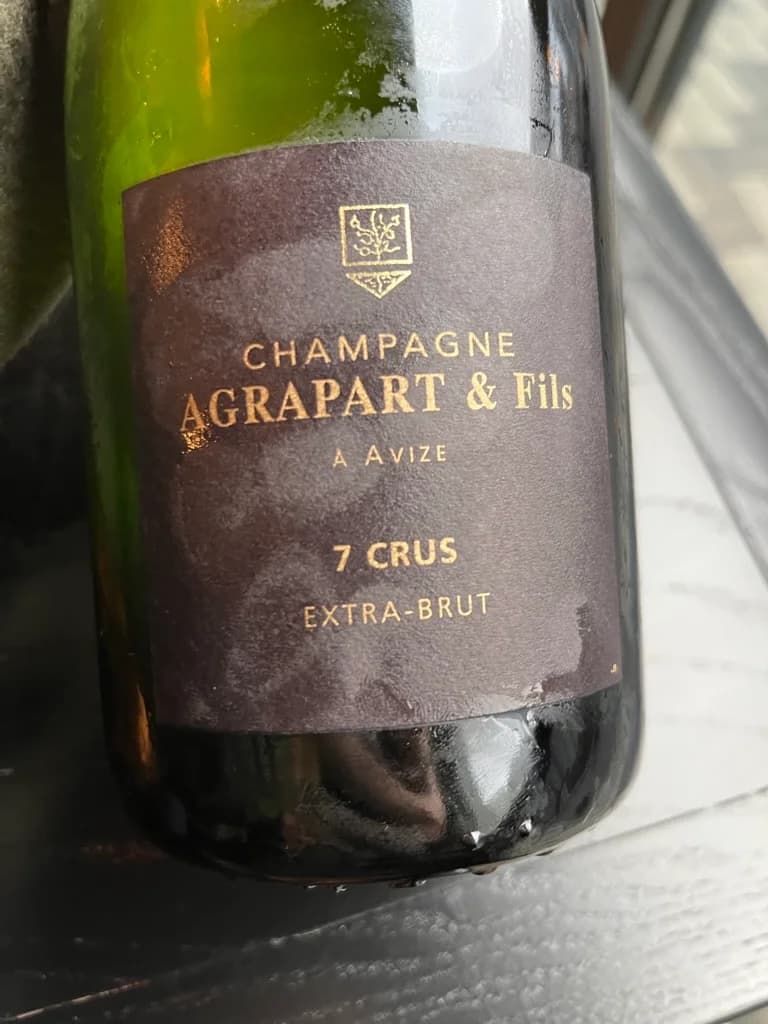
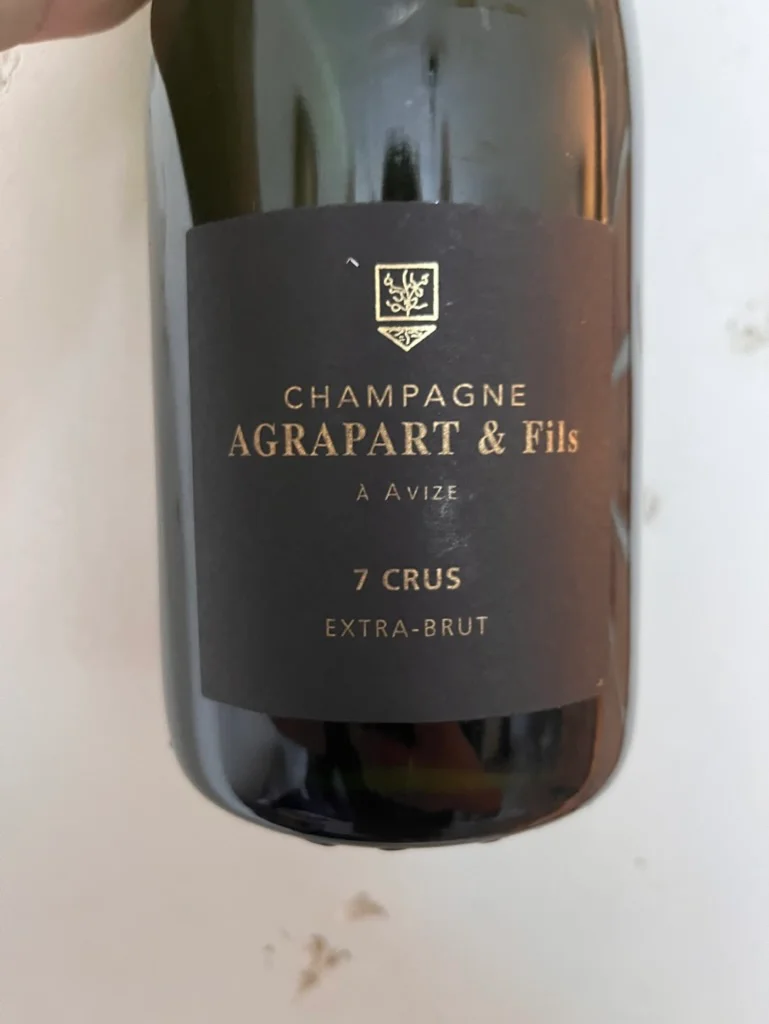
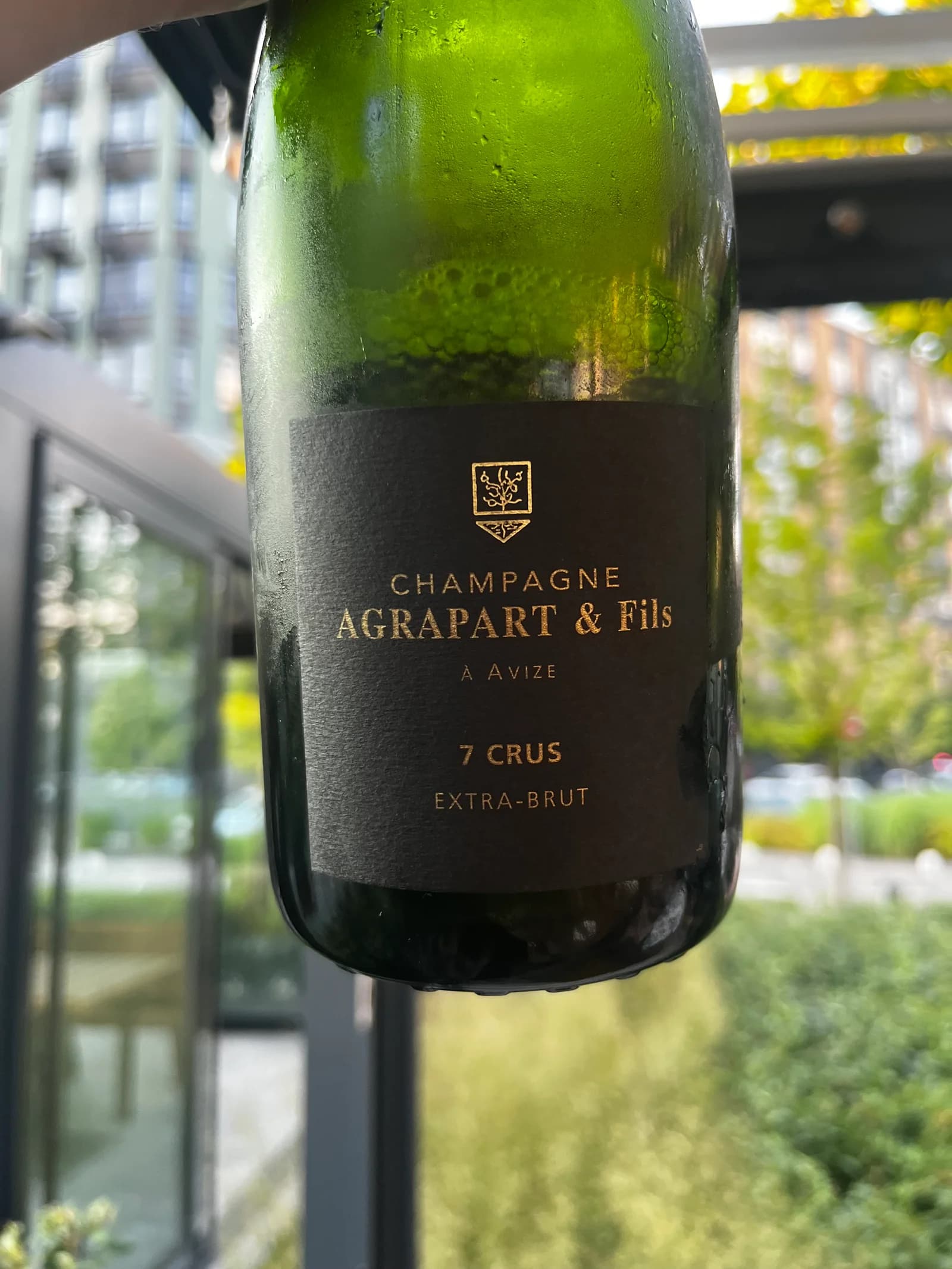
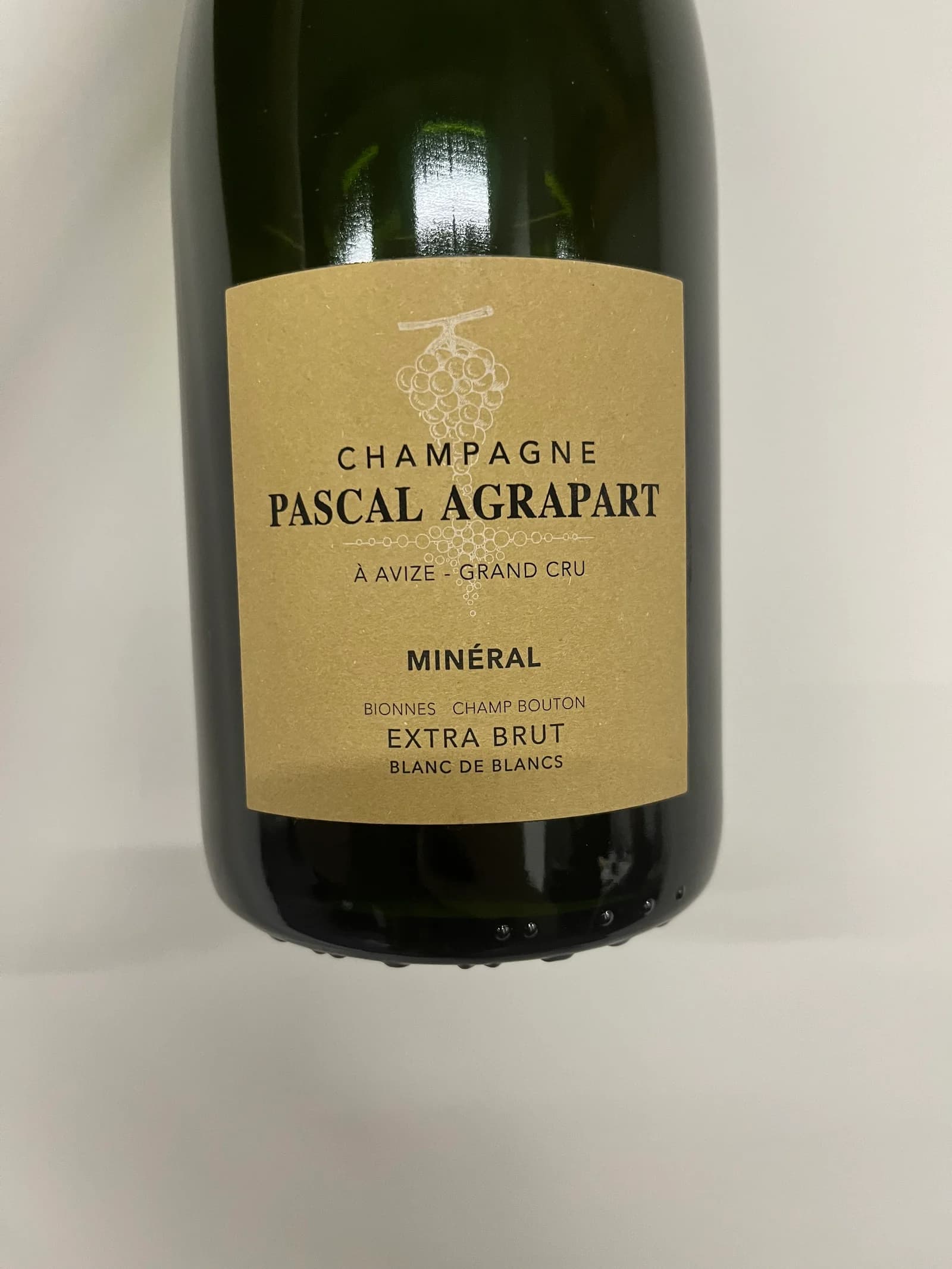
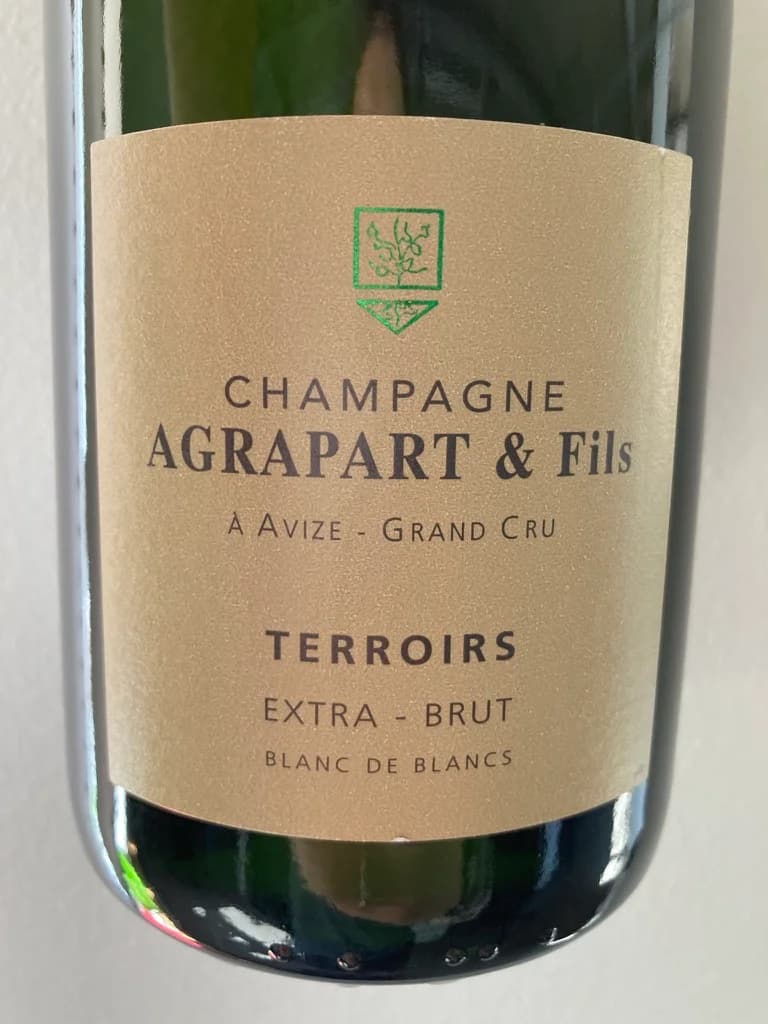
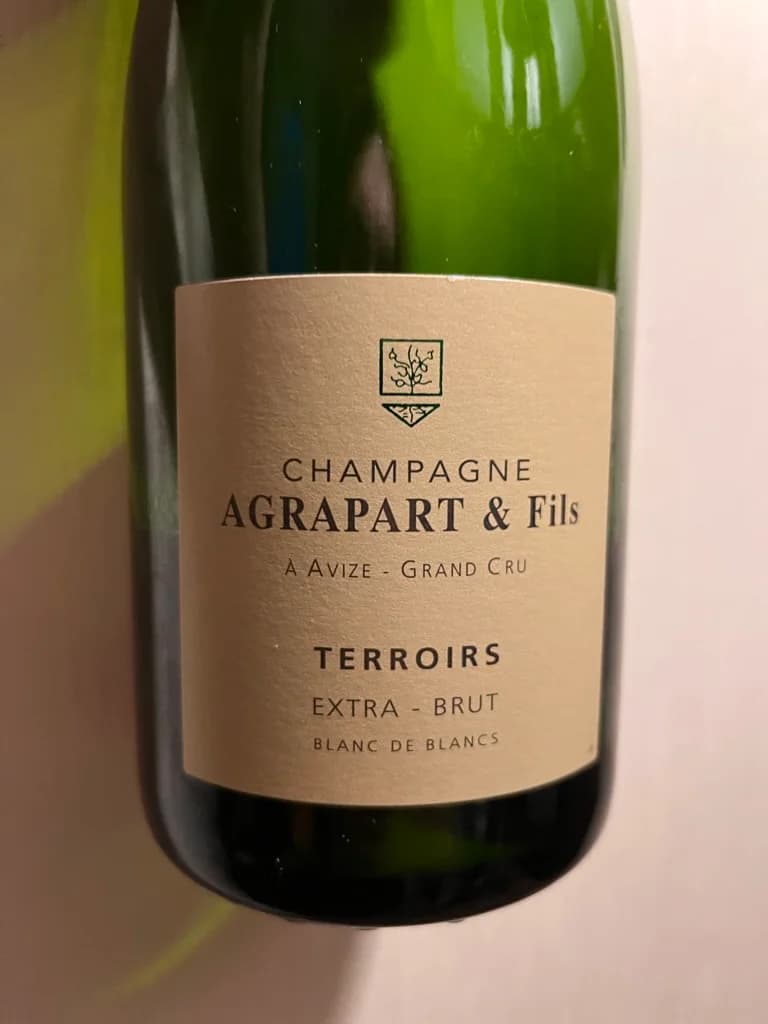
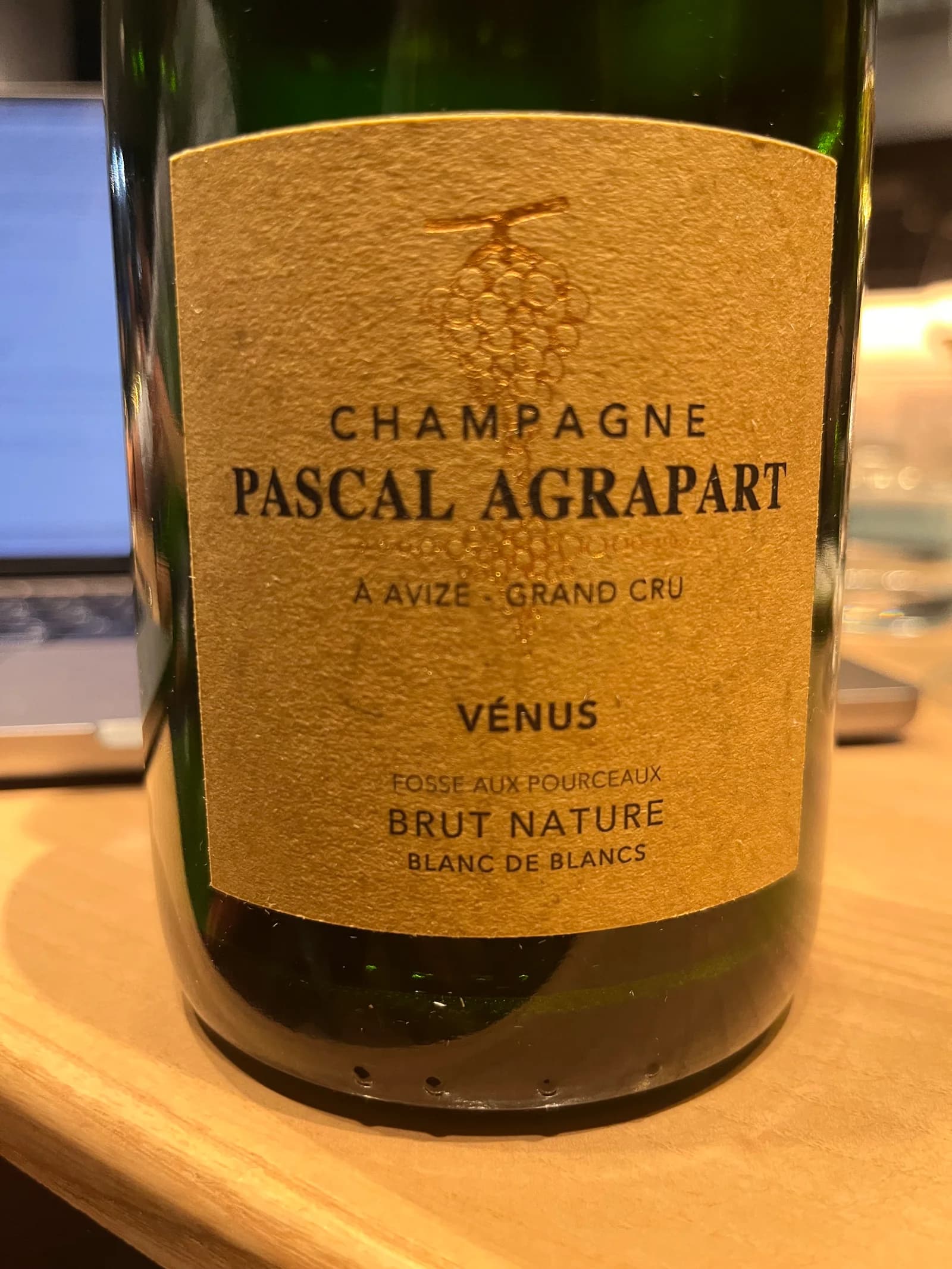
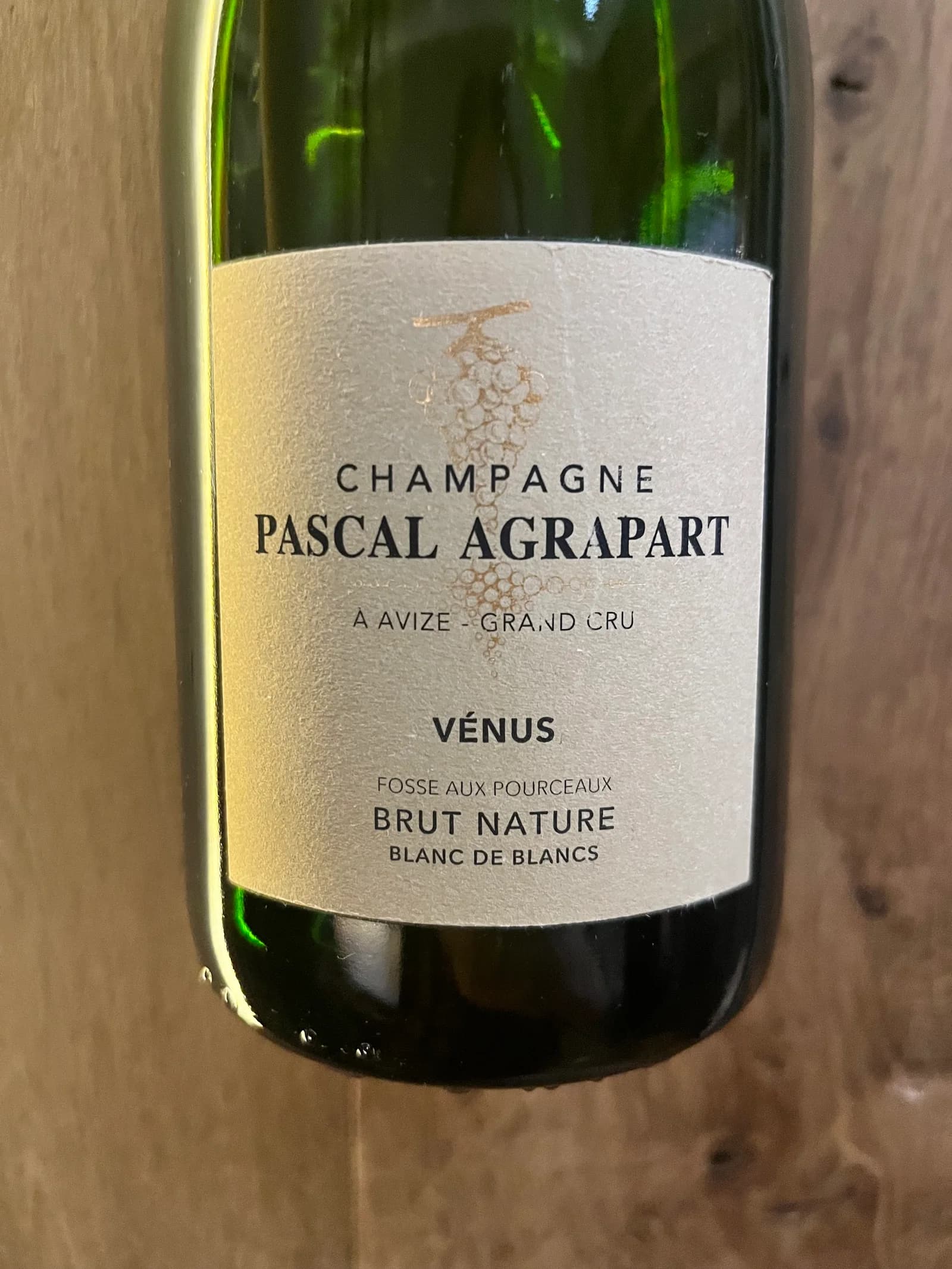
The range opens with Les 7 Crus, a Chardonnay-Pinot Noir blend drawn from Premier and Grand Cru parcels, and Terroirs, a pure Grand Cru Blanc de Blancs. Three vintage-dated Parcellaires - Minéral, L'Avizoise, and Vénus - work through different slopes and soils of the Avize hillside. Two smaller cuvées round things out: Complantée, a co-planting of six varieties in a single Avize parcel, and Expérience, made only in years when conditions allow a second fermentation with grape must rather than added yeast or sugar, and finished without dosage.
Agrapart sits comfortably among the reference growers of Champagne - the house was one of a handful to receive the Revue du vin de France's three-star rating - but the wines themselves are quieter than that reputation suggests. They tend to reward attention rather than demand it.