All producers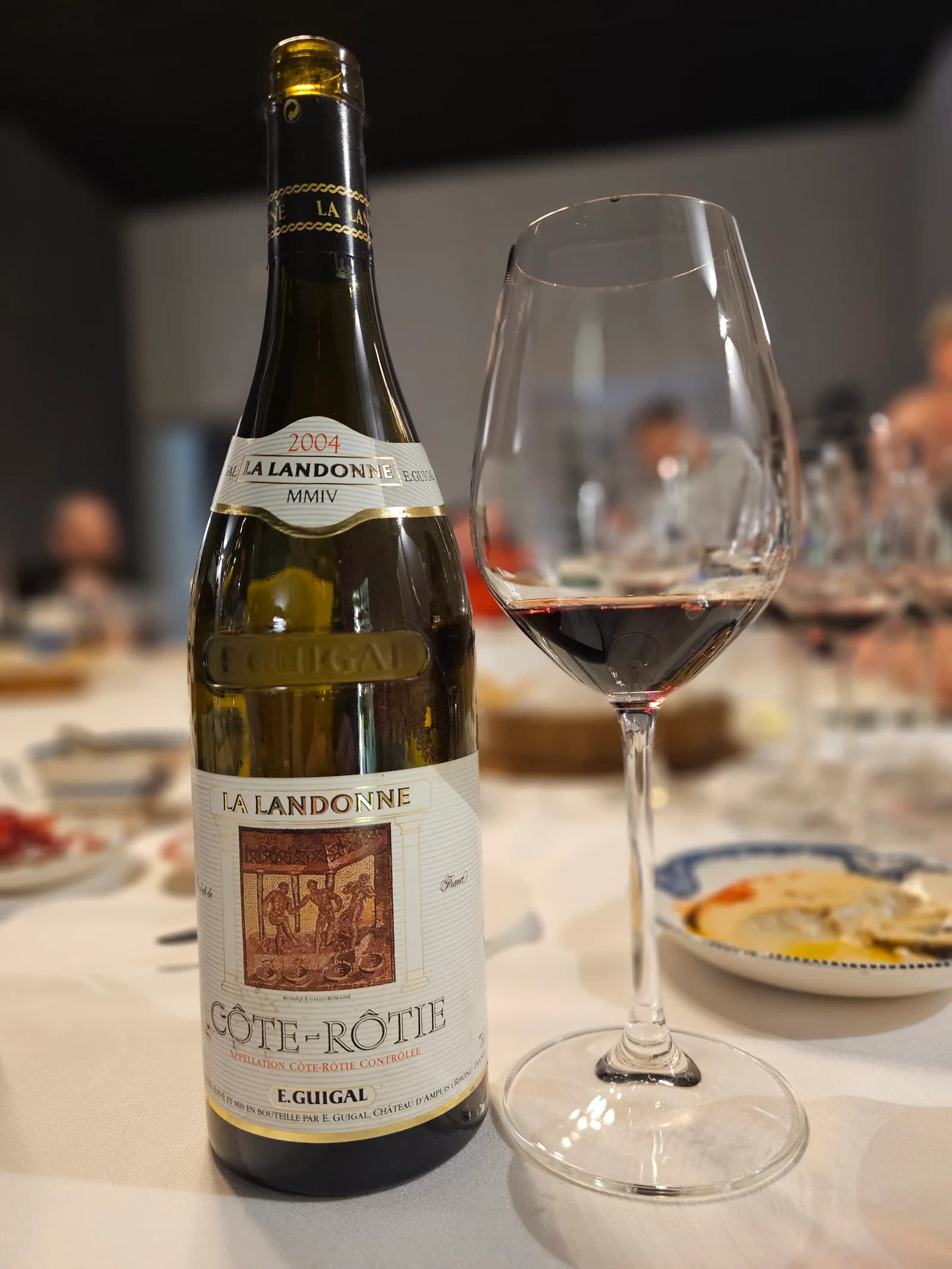
E. Guigal
Northern Rhône, France10 wines4.6 avg
Ampuis, Northern Rhône. Founded 1946. Vinify roughly a third of all Côte-Rôtie and nearly half of all Condrieu. The three La-La's - La Mouline, La Landonne, La Turque - aged 42 months in new oak; ~4 million bottles a year of Côtes du Rhône at the other end.
Étienne Guigal founded the house in Ampuis in 1946, after fifteen years working at Vidal Fleury (which the family later bought back, in 1984). His son Marcel took over in 1961 when Étienne was suddenly struck blind - very young, later joined by his wife Bernadette in 1973. Their son Philippe has run the cellar and estate as director and winemaker since 1997. Three generations, one village, one appellation as the spine.
Guigal is the dominant producer in Côte-Rôtie and a major one in Condrieu: they vinify roughly a third of all Côte-Rôtie and close to half of Condrieu each vintage, on a base of around 45-50 hectares of owned Northern Rhône vineyard plus a vast négociant operation. Expansion has been steady and deliberate: Vidal Fleury (1984), Jean-Louis Grippat in Saint-Joseph (2000), Domaine de Vallouit in Hermitage (2001), Domaine de Bonserine in Côte-Rôtie (2006), and in 2017 the 50-hectare Château de Nalys in Châteauneuf-du-Pape - the first major Southern Rhône holding.
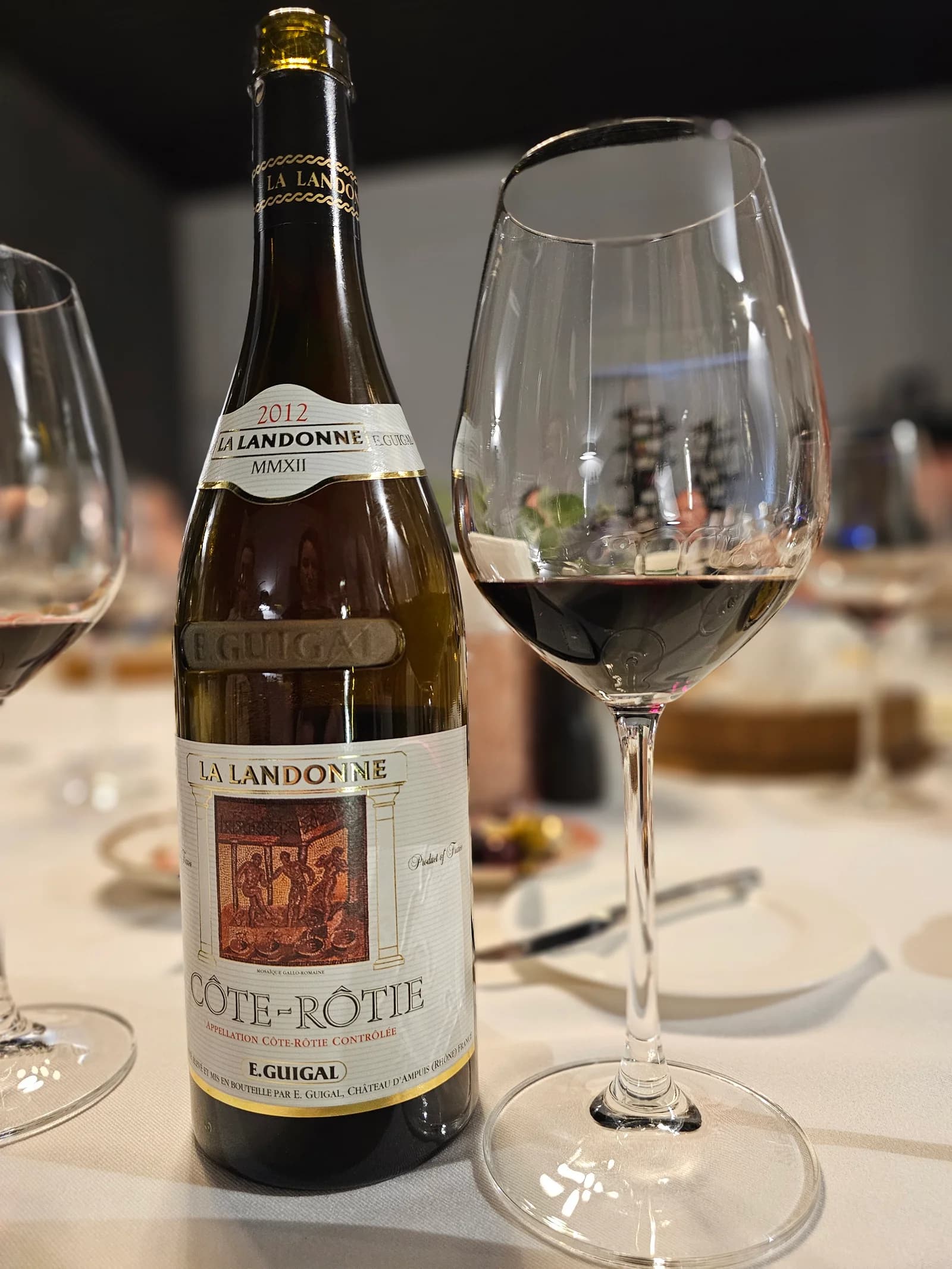
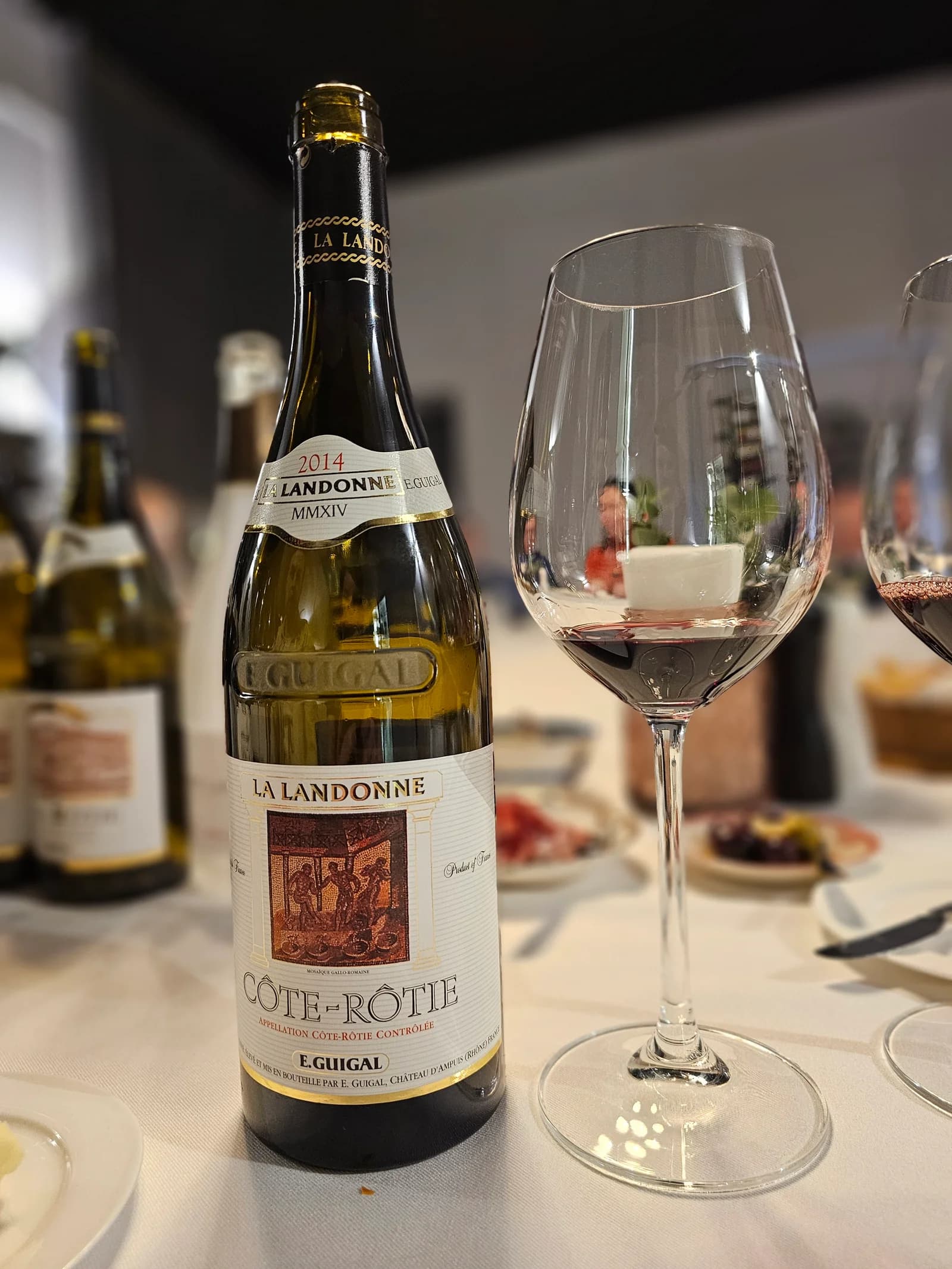
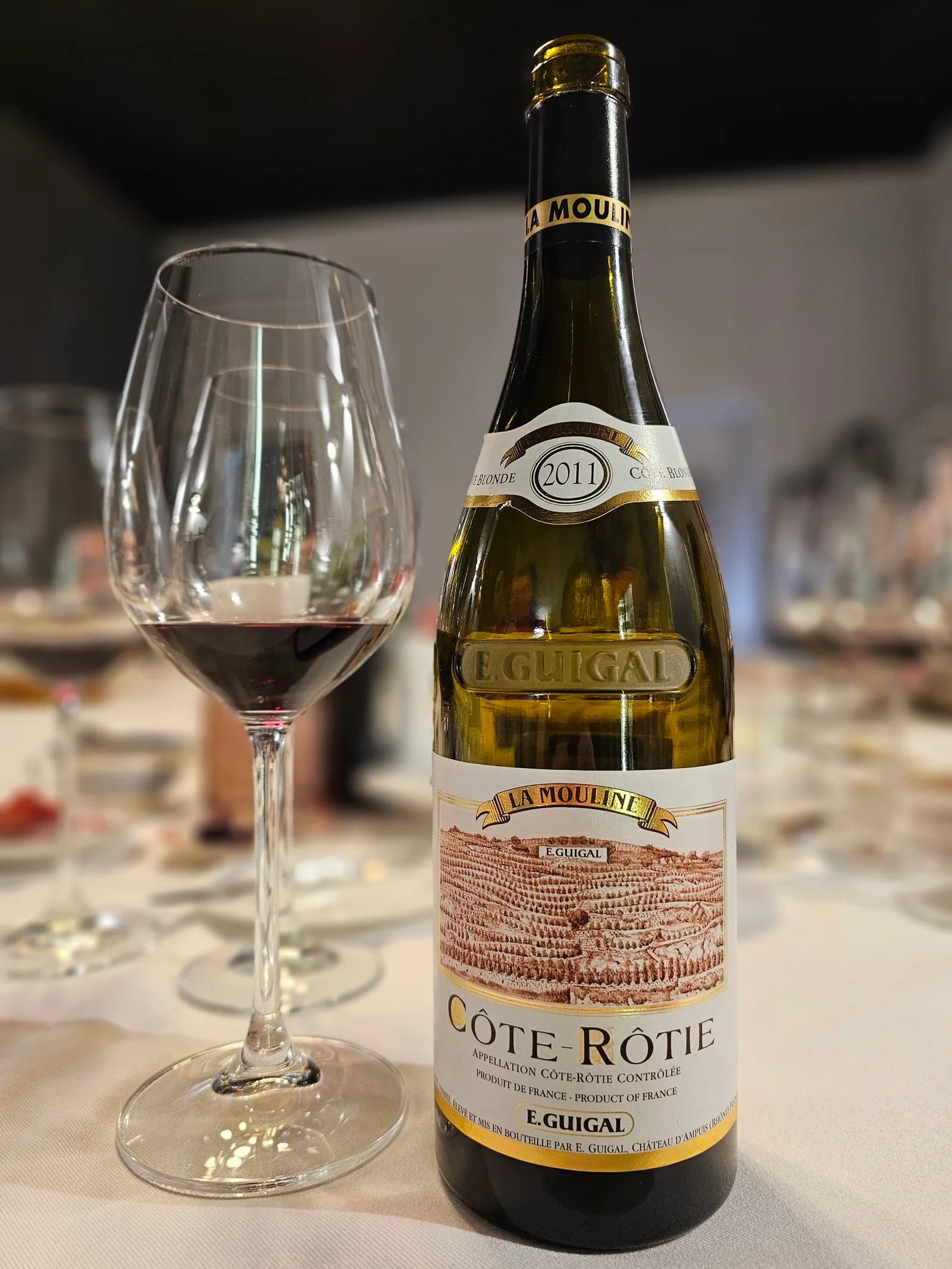
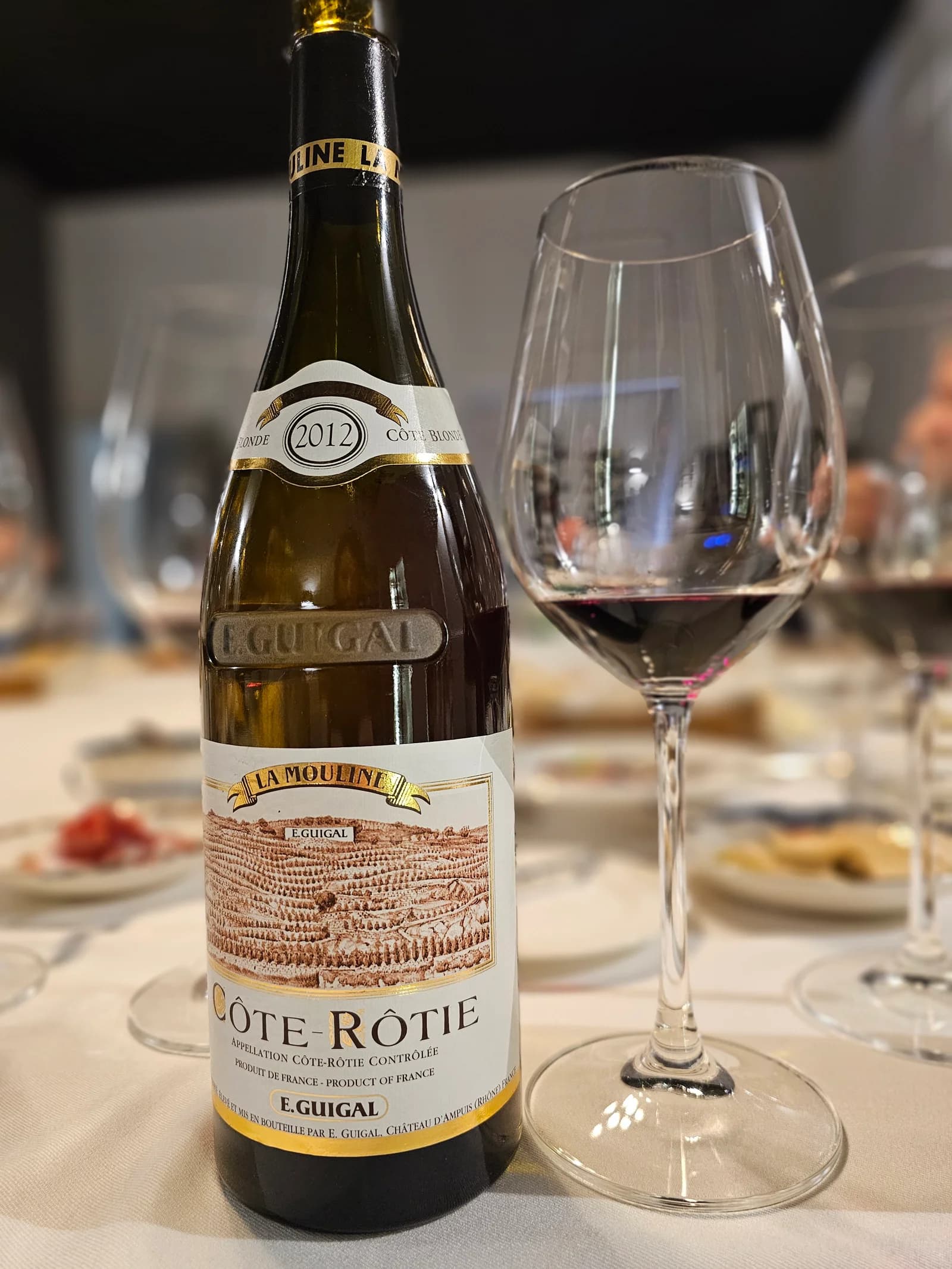
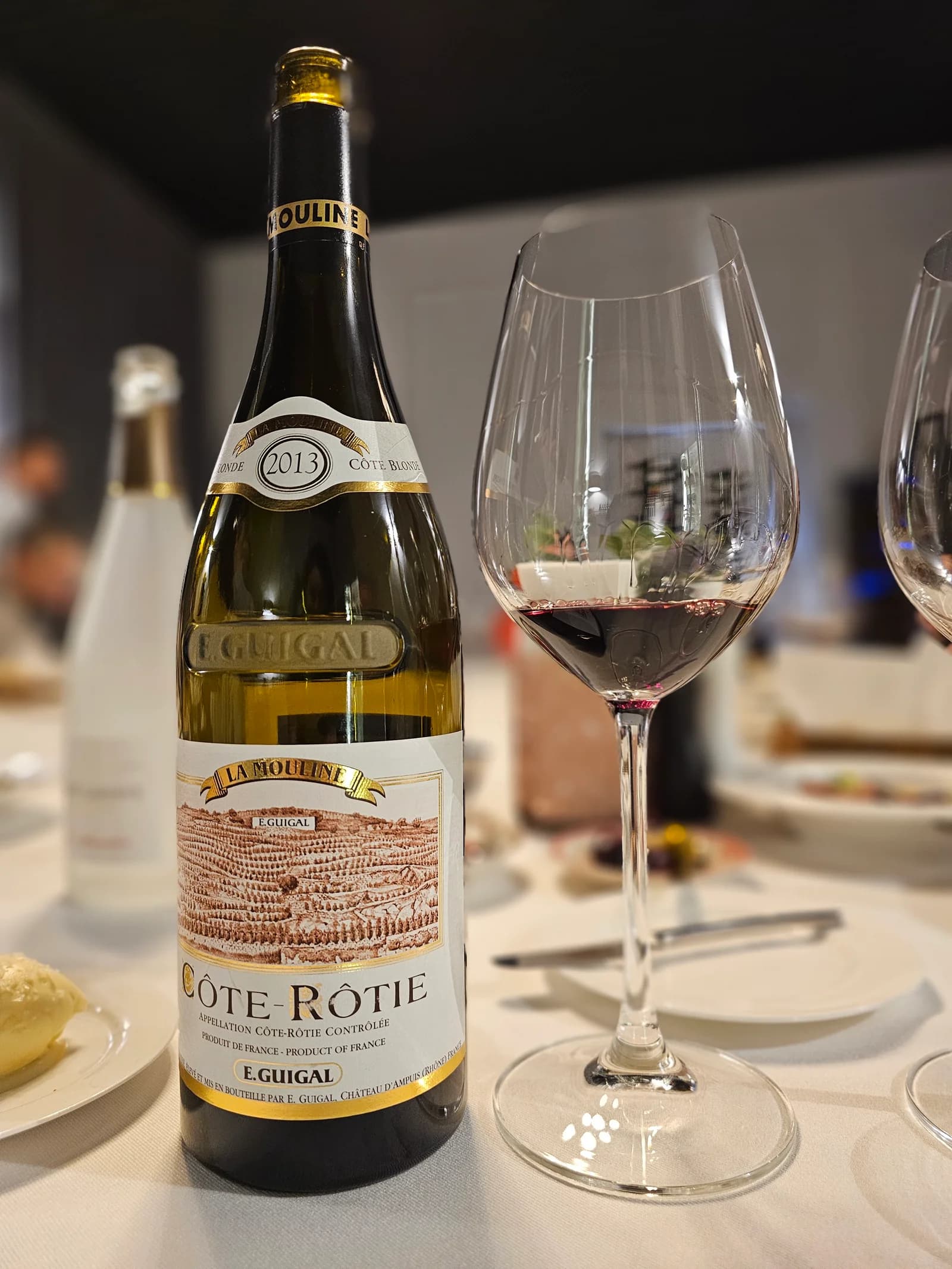
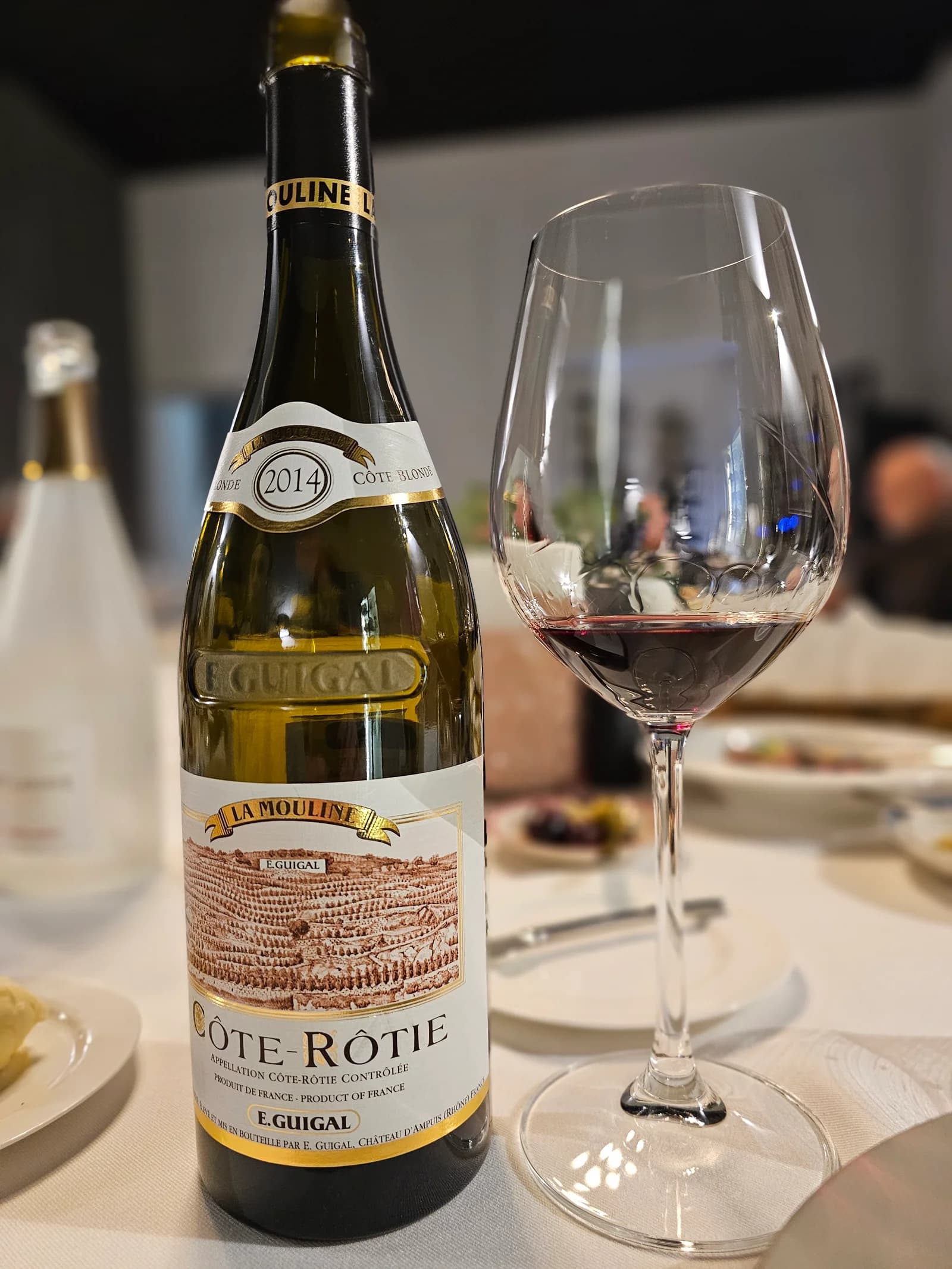
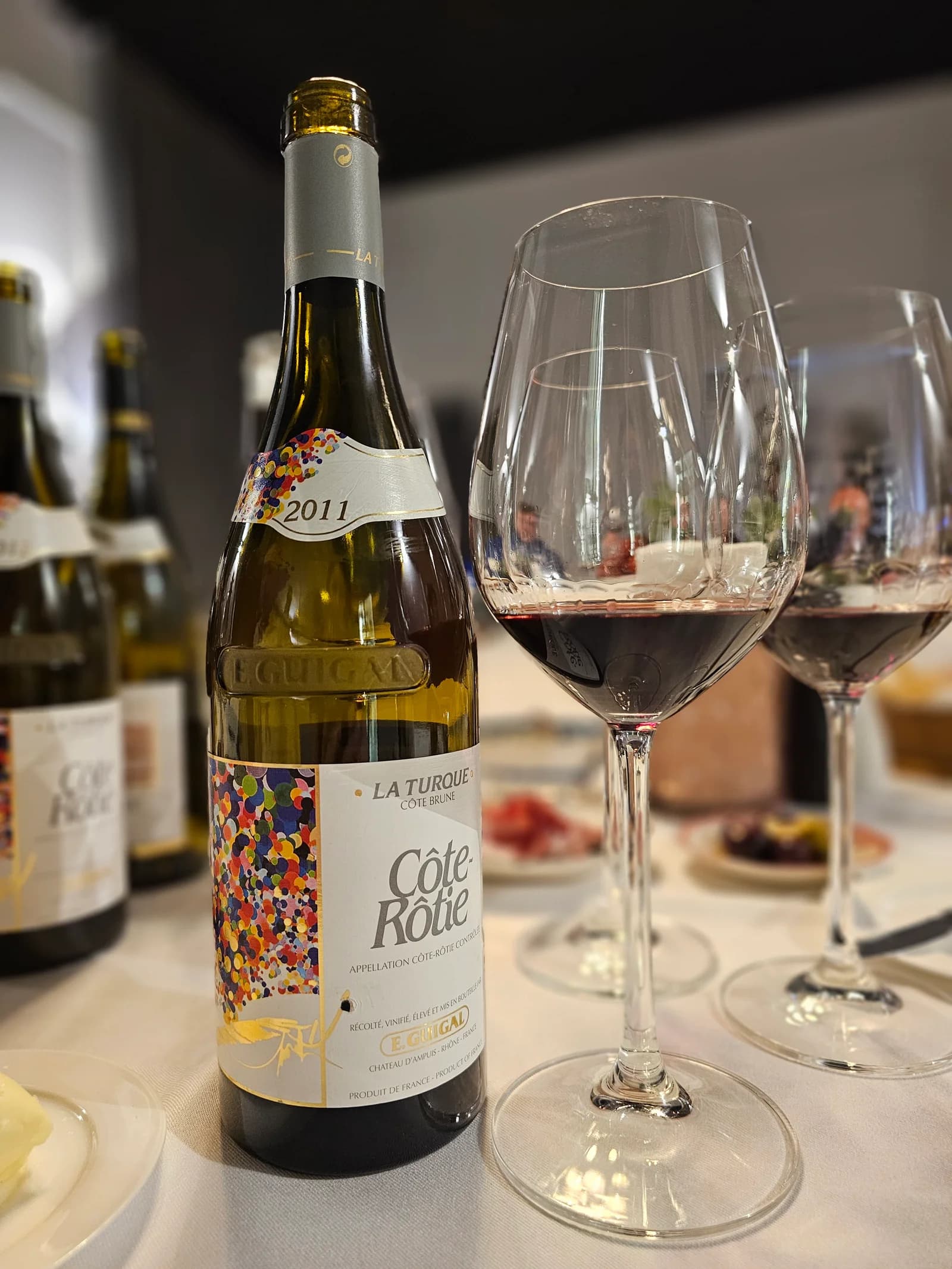
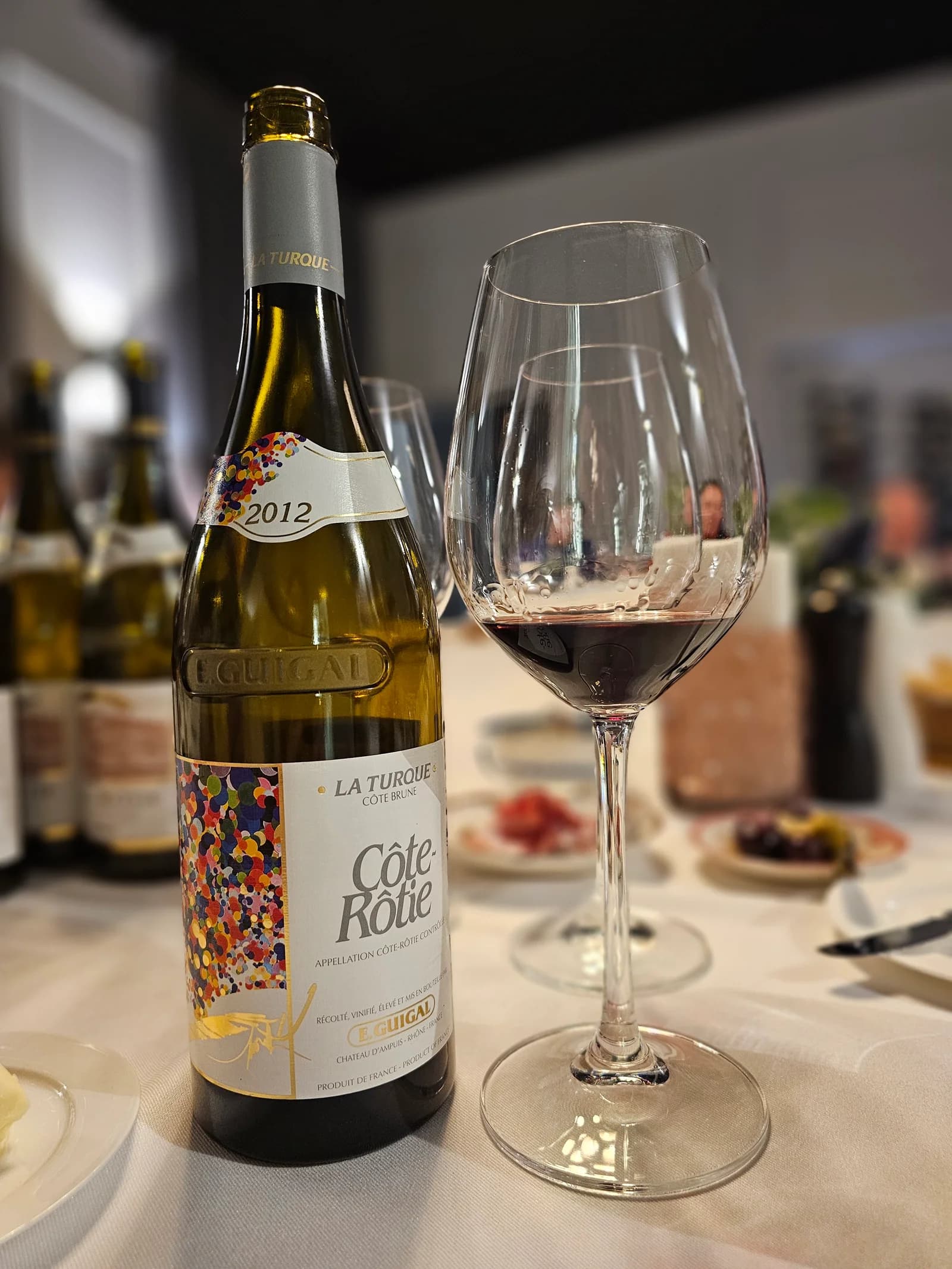
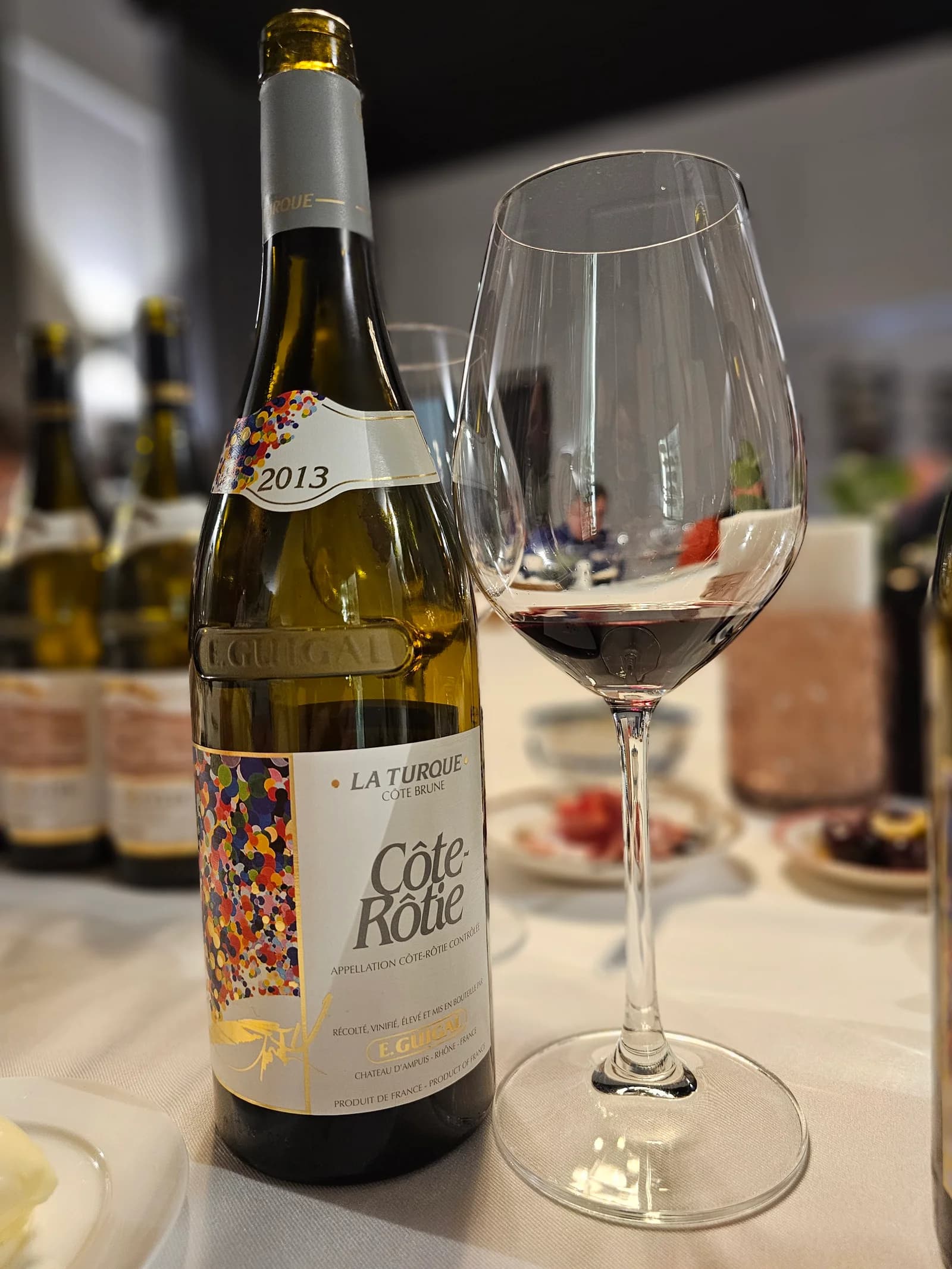
The shape of the range is familiar. At the base, Côtes du Rhône Rouge, Blanc and Rosé - about four million bottles a year of the red, drawn from 80 growers. Above that, Crozes-Hermitage, Saint-Joseph, Hermitage, Condrieu; the Château d'Ampuis Côte-Rôtie blended from seven lieux-dits; and, in exceptional vintages only, the Ex-Voto Hermitages. And then the three La-La's: La Mouline (Côte Blonde, first vintage 1966, around 1 hectare, 89% Syrah / 11% Viognier), La Landonne (Côte Brune, first vintage 1978, around 2 hectares, 100% Syrah), La Turque (Côte Brune, first vintage 1985, around 1 hectare, 93% Syrah / 7% Viognier). All three spend forty-two months in new French oak from the estate's own cooperage, which is the single most polarising thing about the house: Parker's long list of 100-point scores came largely from these bottles, and the same oak regime is what keeps other drinkers at a distance.
Farming is low-intervention but not certified organic - no synthetic treatments in recent years, indigenous yeasts, no fining or filtration on the top cuvées.
Wines
4.4
Côte-Rôtie La Landonne
2004· France
4.8
Côte-Rôtie La Landonne
2012· France
4.5
Côte-Rôtie La Landonne
2014· France
4.8
Côte-Rôtie La Mouline
2011· France
4.7
Côte-Rôtie La Mouline
2012· France
4.3
Côte-Rôtie La Mouline
2013· France
4.6
Côte-Rôtie La Mouline
2014· France
4.3
Côte-Rôtie La Turque
2011· France
4.7
Côte-Rôtie La Turque
2012· France
4.6
Côte-Rôtie La Turque
2013· France