All producers
Enderle & Moll
Baden, Germany8 wines3.9 avg
62
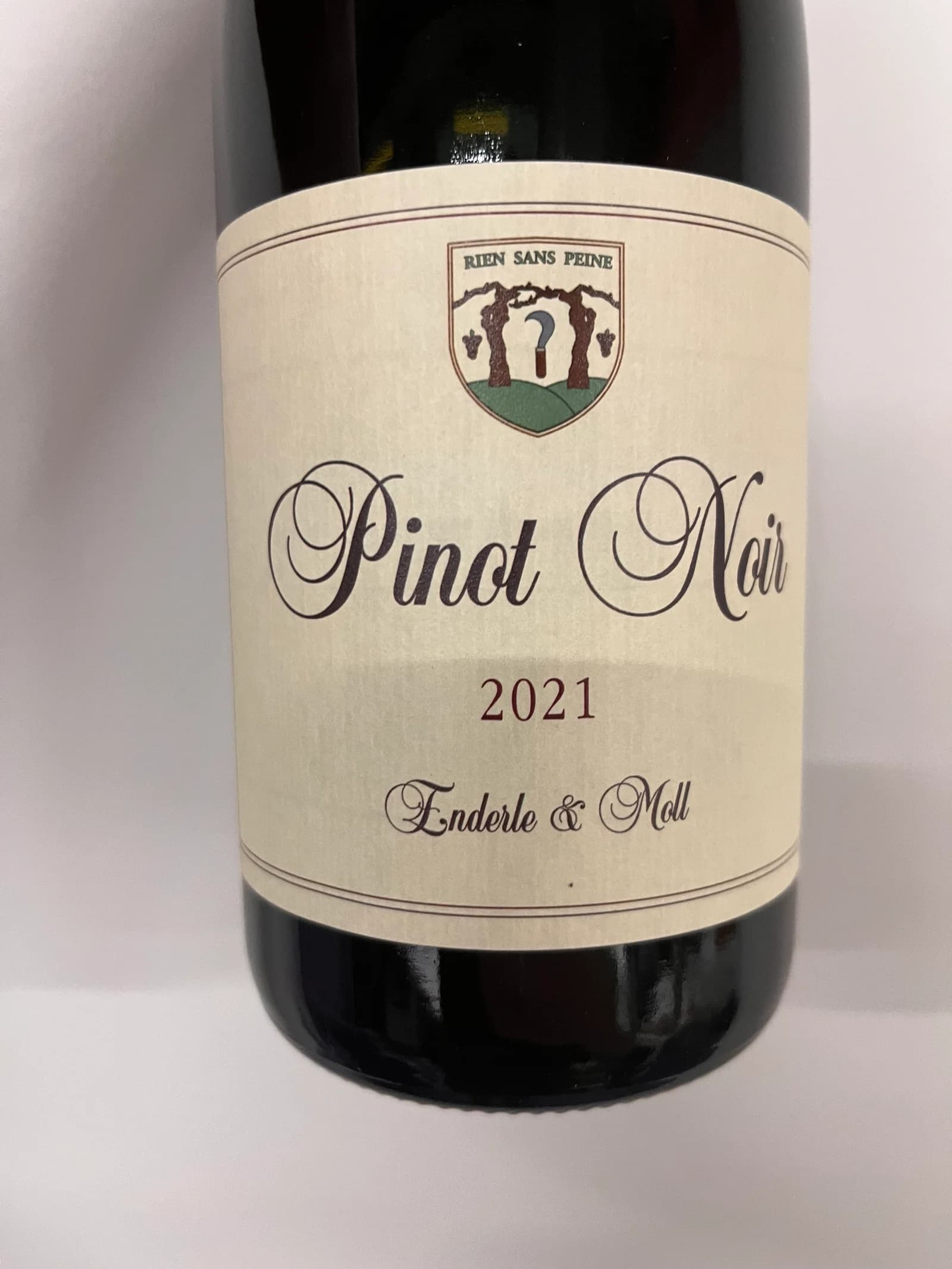
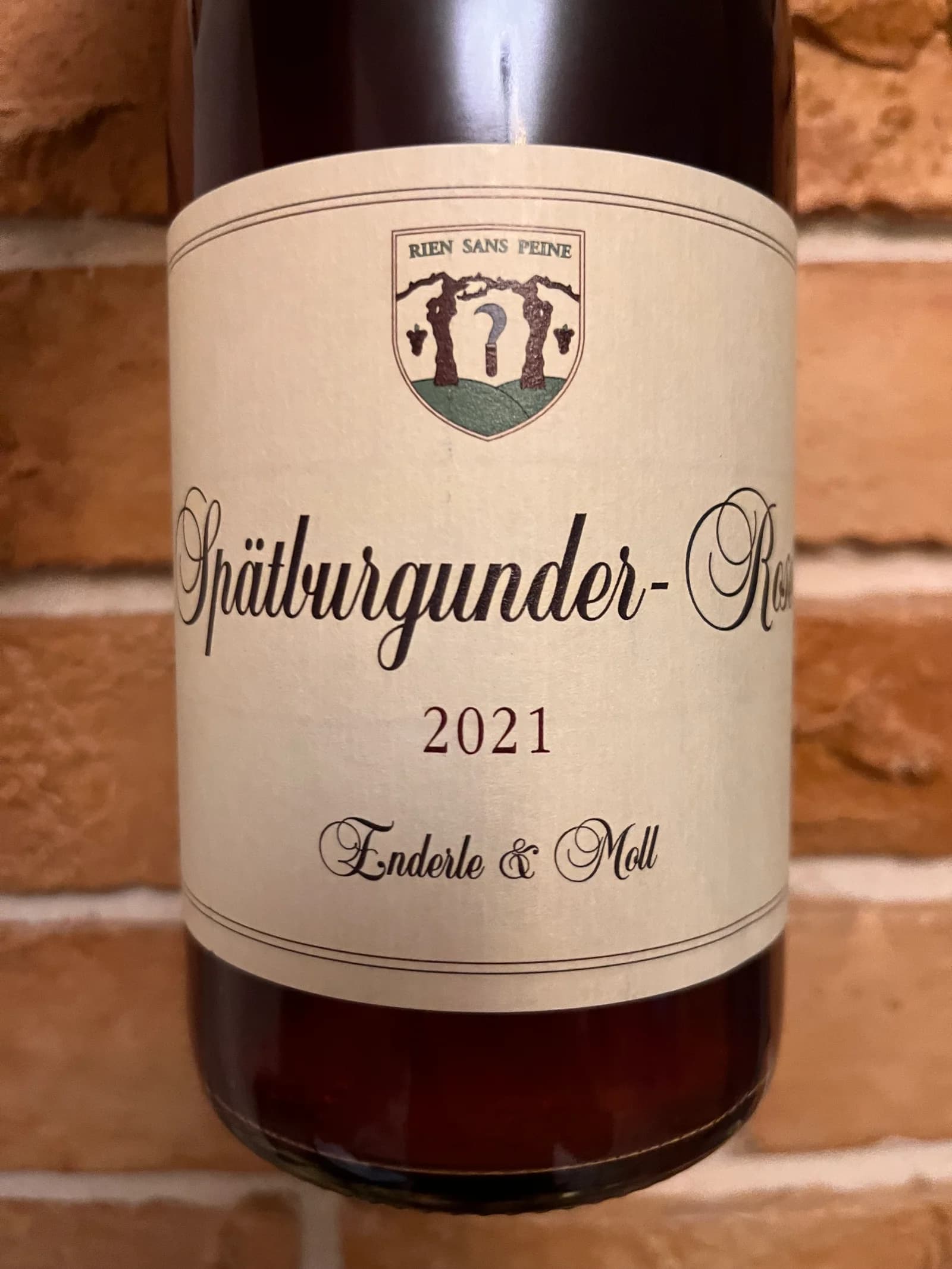
Sven Enderle and Florian Moll's Baden estate - terroir-segmented Pinot Noir from granite, sandstone, limestone, and volcanic soil, and one of the reference points for German natural Pinot Noir.
Sven Enderle and Florian Moll met during their winegrowing apprenticeship at the Weinbauschule in Freiburg (2003-2005) and started making wine together in 2007 in Münchweier, a village in the Breisgau between the Black Forest foothills and the Rhine plain. They are considered among Germany's natural-wine pioneers, alongside Wasenhaus and 2Naturkinder.
They own around two hectares and now work a total of roughly ten (including rented and collaborated parcels), often plots that had been abandoned or neglected, with some old vines. Baden's geological patchwork is what makes the project interesting: the soils range from granite to Buntsandstein (red sandstone), Muschelkalk (shell limestone), loess, and volcanic deposits, sometimes within a few kilometres of each other. Enderle and Moll organise their Pinot Noir bottlings by soil type, which turns each wine into a geological argument.
Native yeast fermentation, whole-cluster inclusion, low or zero sulphur, no fining, no filtration, long élevage in old oak. The goal is transparency - letting site and vintage speak without intervention.
The cuvées:
- Liaison - entry-level blend, the introduction
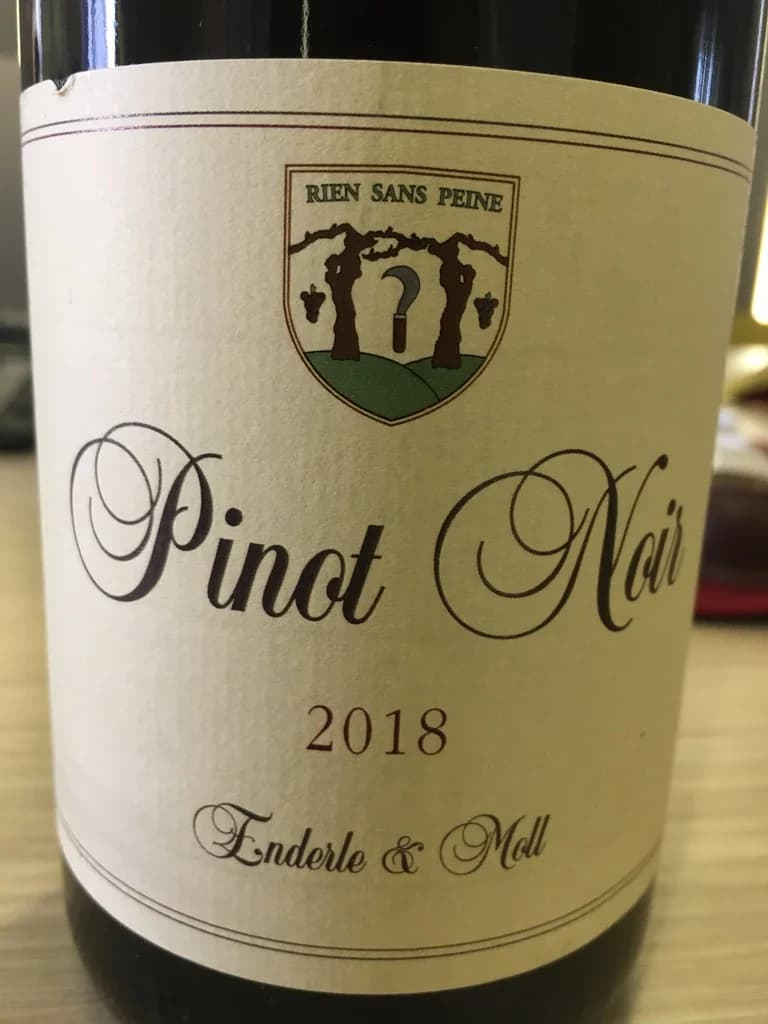
- Basis - the house Pinot Noir benchmark
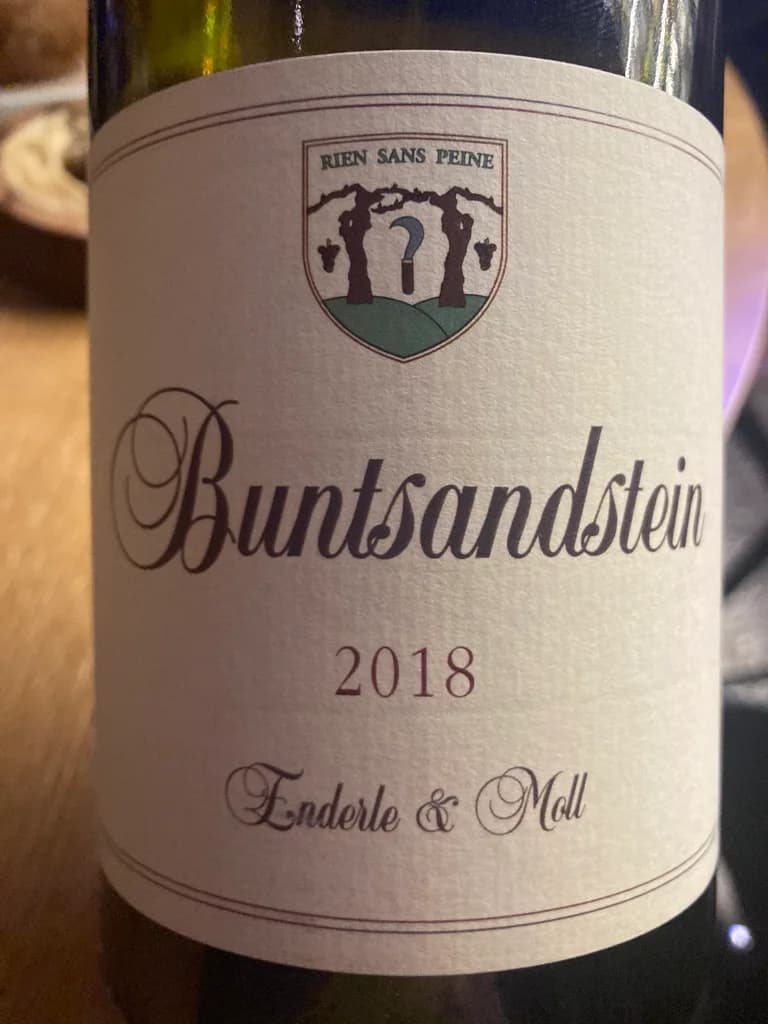
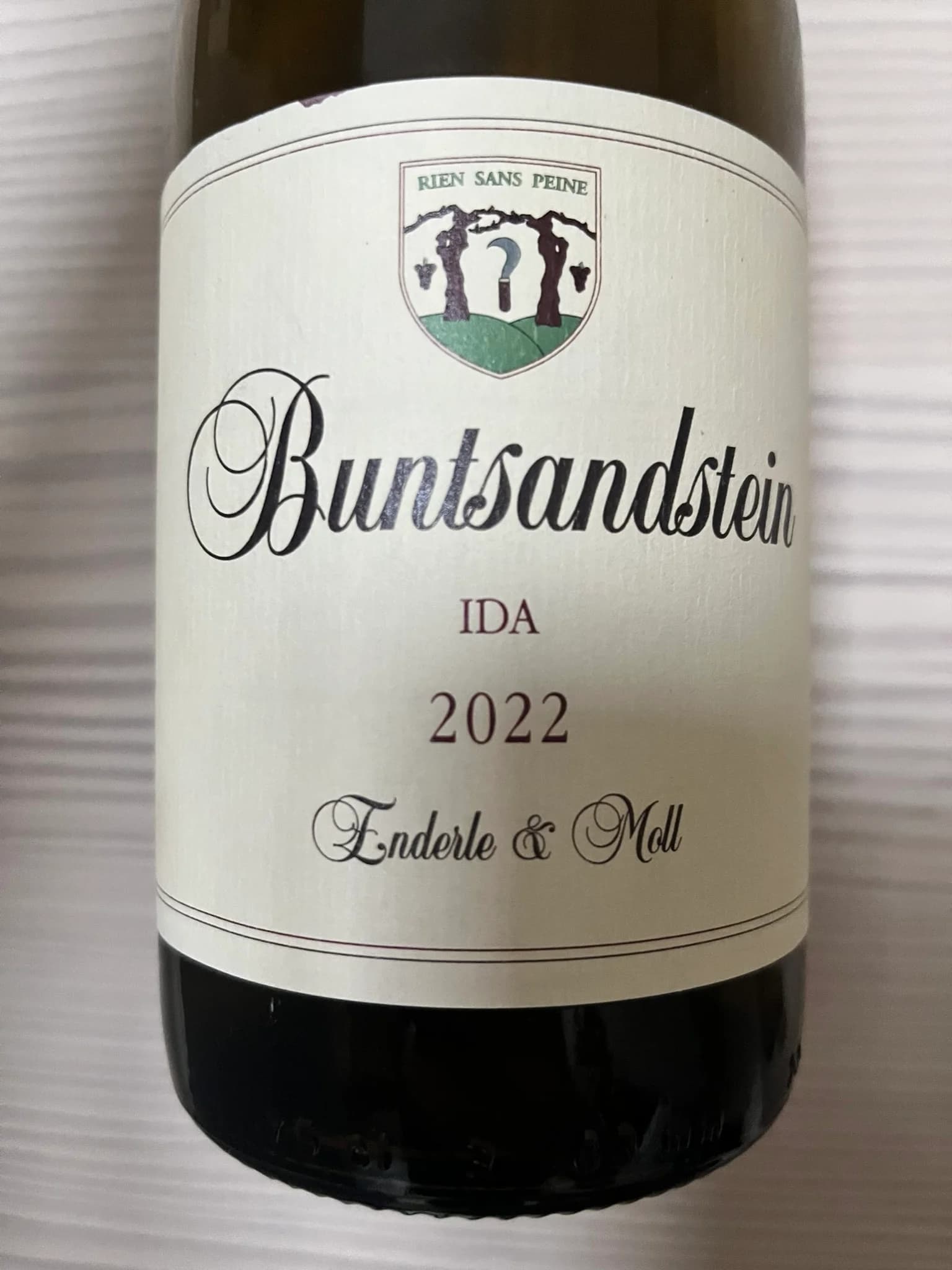
- Buntsandstein - Pinot Noir from red sandstone
- Muschelkalk - Pinot Noir from shell limestone
- Granit - Pinot Noir from granitic parcels
- Vulkan - Pinot Noir from volcanic soil
- Sternenberg - top single-site Pinot Noir
Whites include Weisser Burgunder, a "Funky" Müller-Thurgau, and Gutedel (Chasselas). Jancis Robinson called them "the beards of Baden" and "a new star." Some consider them Germany's best Pinot Noir producers. Whether or not that's true, the terroir-segmented approach is genuinely illuminating - you taste the soil type before you taste the grape.