All producers
Cume do Avia
Galicia, Ribeiro, Spain7 wines3.8 avg
511
Eira dos Mouros, Ribeiro DO, Avia valley. Four Colarte cousins who came back from Vigo to restore their abandoned family land in 2005; first vinifications 2012. ~9 hectares farmed without chemicals, around twenty indigenous grapes rescued via massal selection, aged in century-old chestnut. A Galician revival reference.
Cume do Avia sits in Eira dos Mouros, a hamlet above the river Avia, in the DO Ribeiro of Galicia (not Ribeira Sacra - neighbouring but distinct). The estate is run by four cousins from the Colarte family: brothers Diego and Álvaro with cousins Fito and Anxo. Diego leads the winemaking.
They grew up in Vigo and returned in 2005 to restore their ancestors' abandoned land - a ruin and a derelict vineyard, last farmed in 1942. "We put our youth into the project," Diego has said. The name is literal: the cume (hilltop) above the Avia. The first vines went in in 2008; the first wines - what Diego calls "vinification tests" - came in 2012. None of them had any prior winemaking experience.
The past of these forgotten grapes has been erased, leaving no one to discuss the ideal practices for them. We are trying to reinvent and rebuild this lost history. - Diego Colarte
Around 9 hectares cultivated, fragmented across steep hillsides between 250 and 350 metres, on a shifting mosaic of granodiorite, schist, slate and gneiss beneath clay and sand topsoils. Farming is low-intervention and biodynamic-inspired - no chemical inputs, indigenous yeasts, spontaneous fermentation, SO2 only at bottling. Not formally organic-certified because Galicia's fungal pressure makes it difficult (they have called it "paradise for fungus"). They replanted via massal selection from surviving old Ribeiro vines, and run a nursery project to recover something like forty forgotten varieties - though most of the recovered set (Pedral, Mouratón, Tinta Amarela and similar) live in the nursery, not yet in the main vineyard.
The planted set runs to around twenty indigenous grapes. Whites are Treixadura the lead, with Albariño, Lado and Loureira. Reds are Brancellao the lead, with Caíño Longo, Sousón, Ferrón, Merenzao and Carabuñenta.
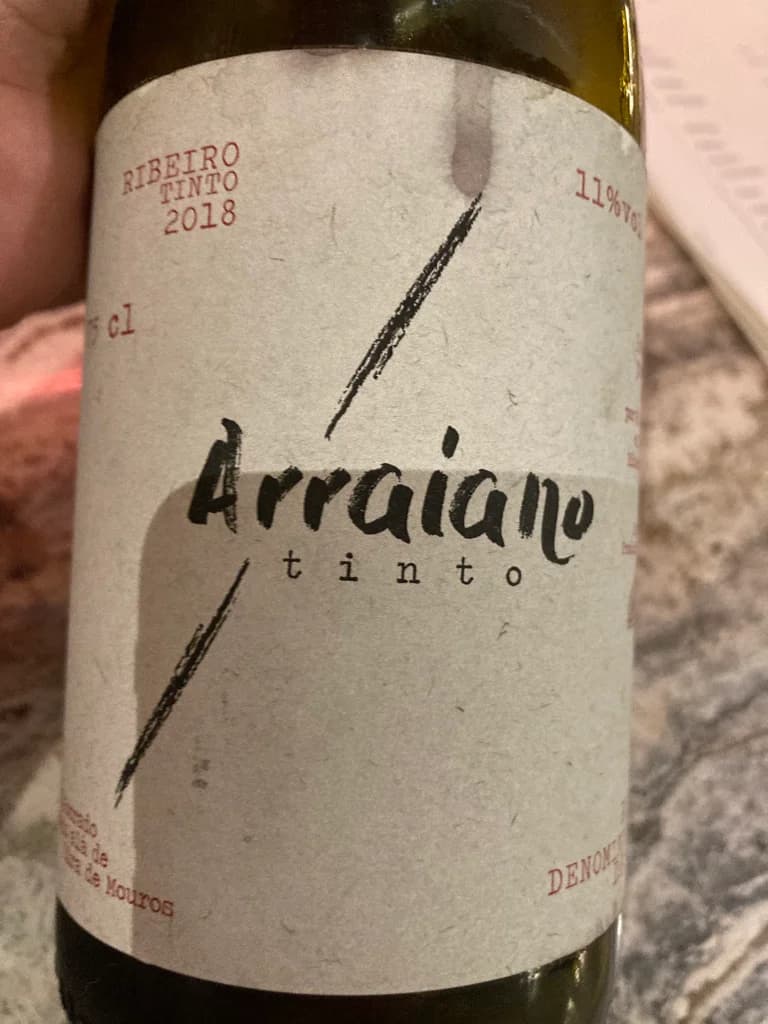
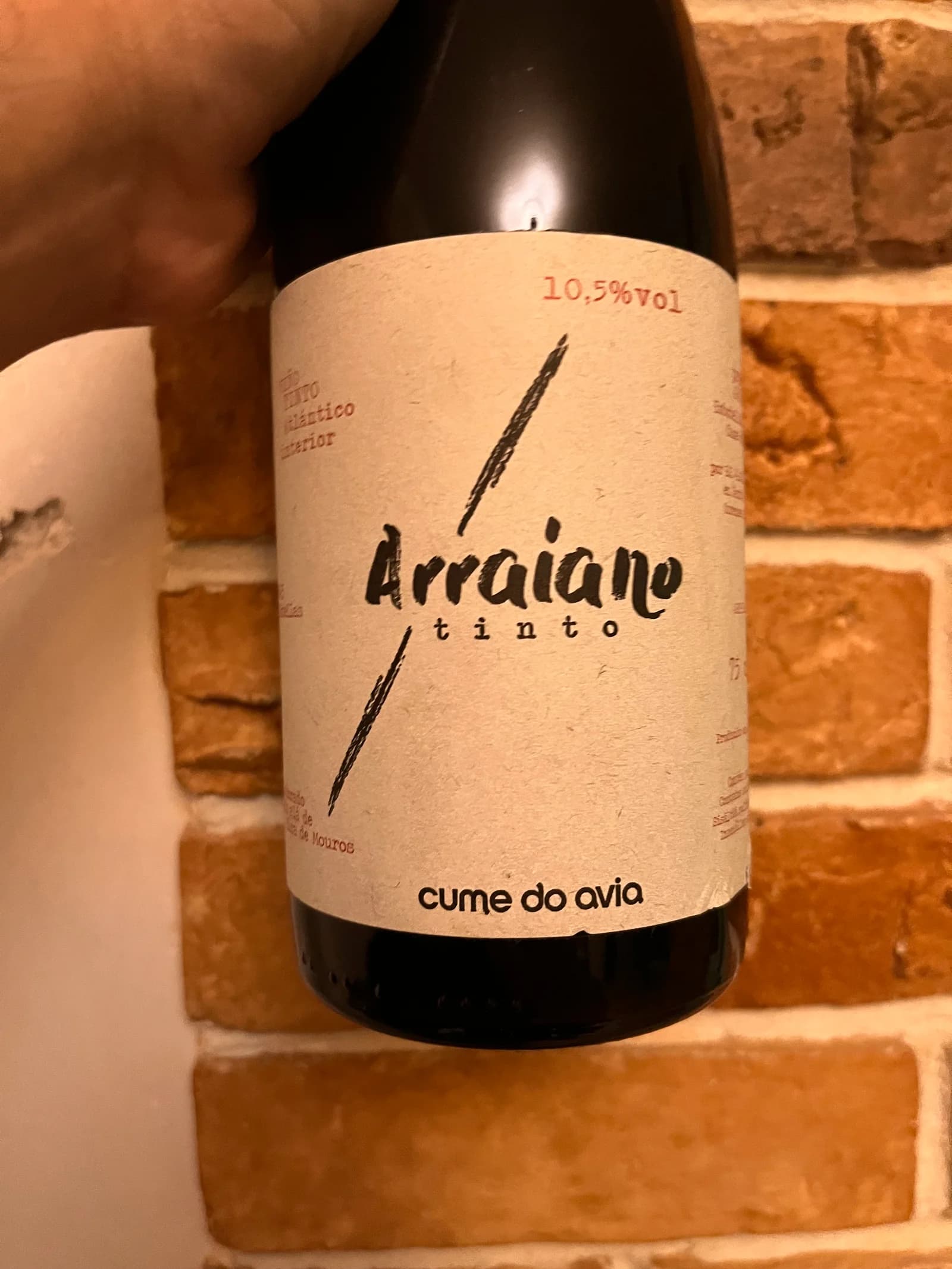
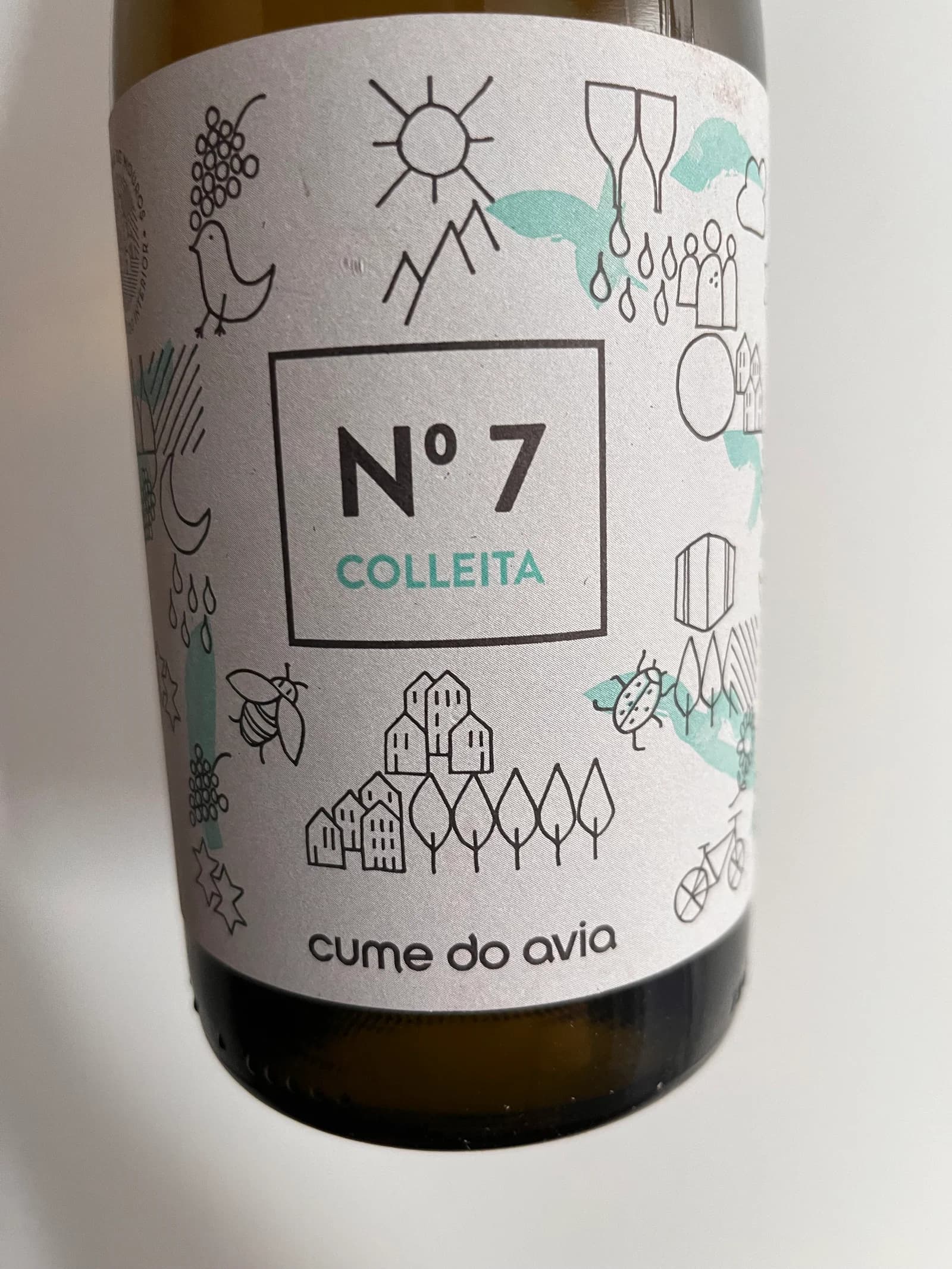
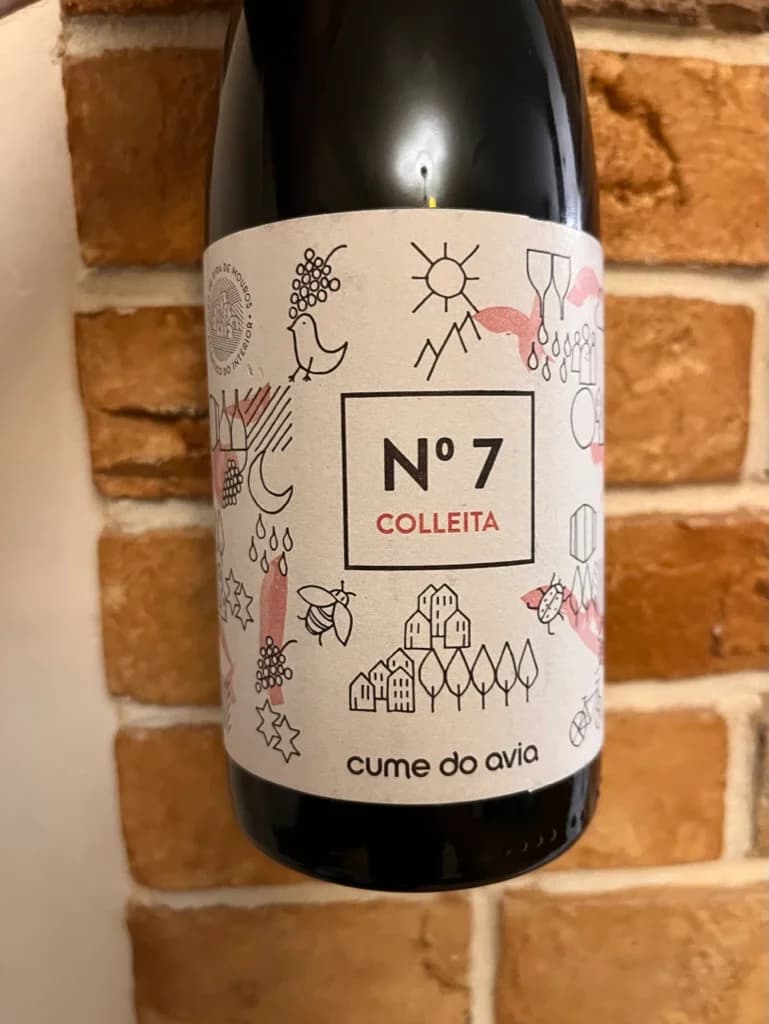
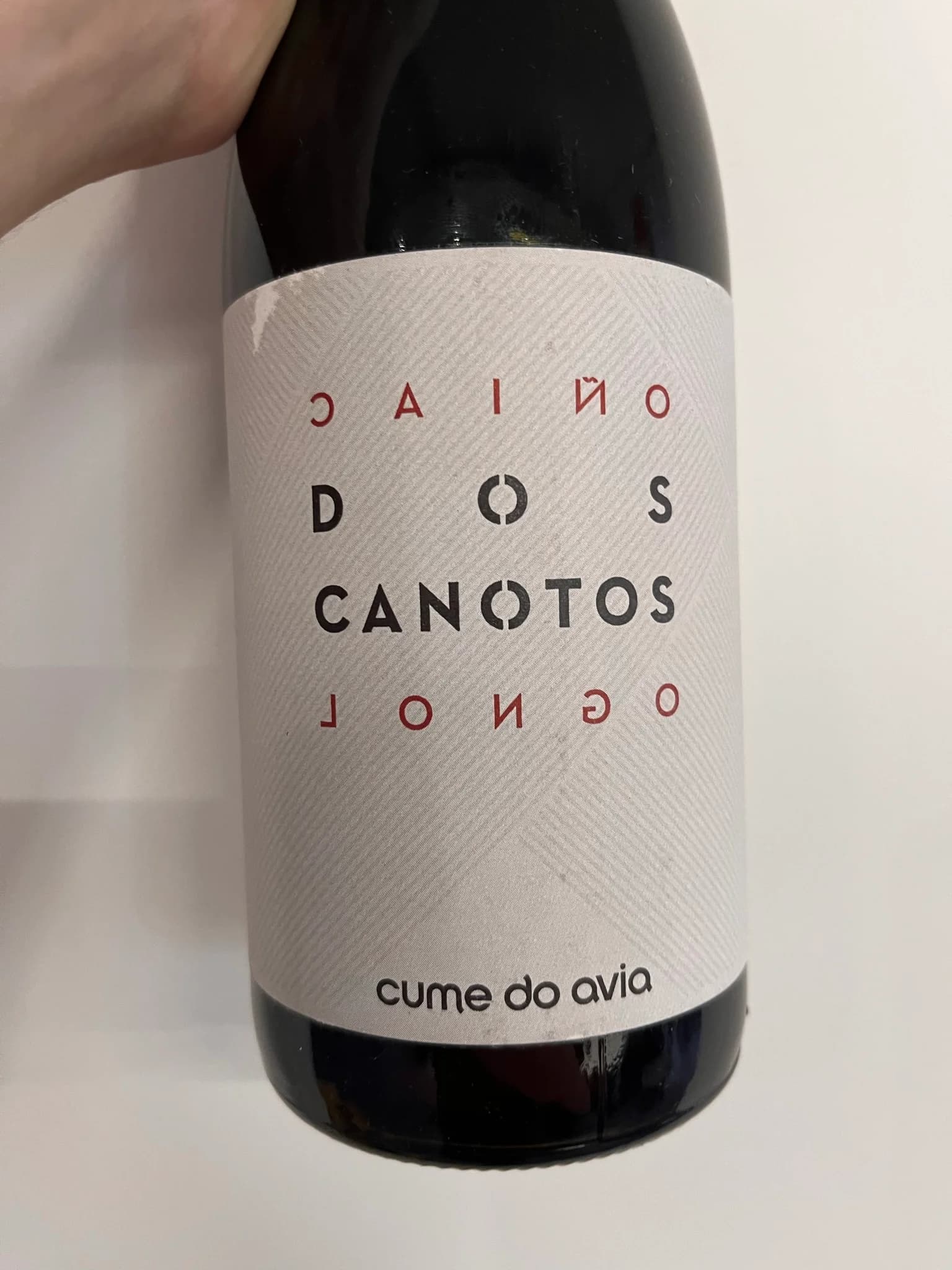
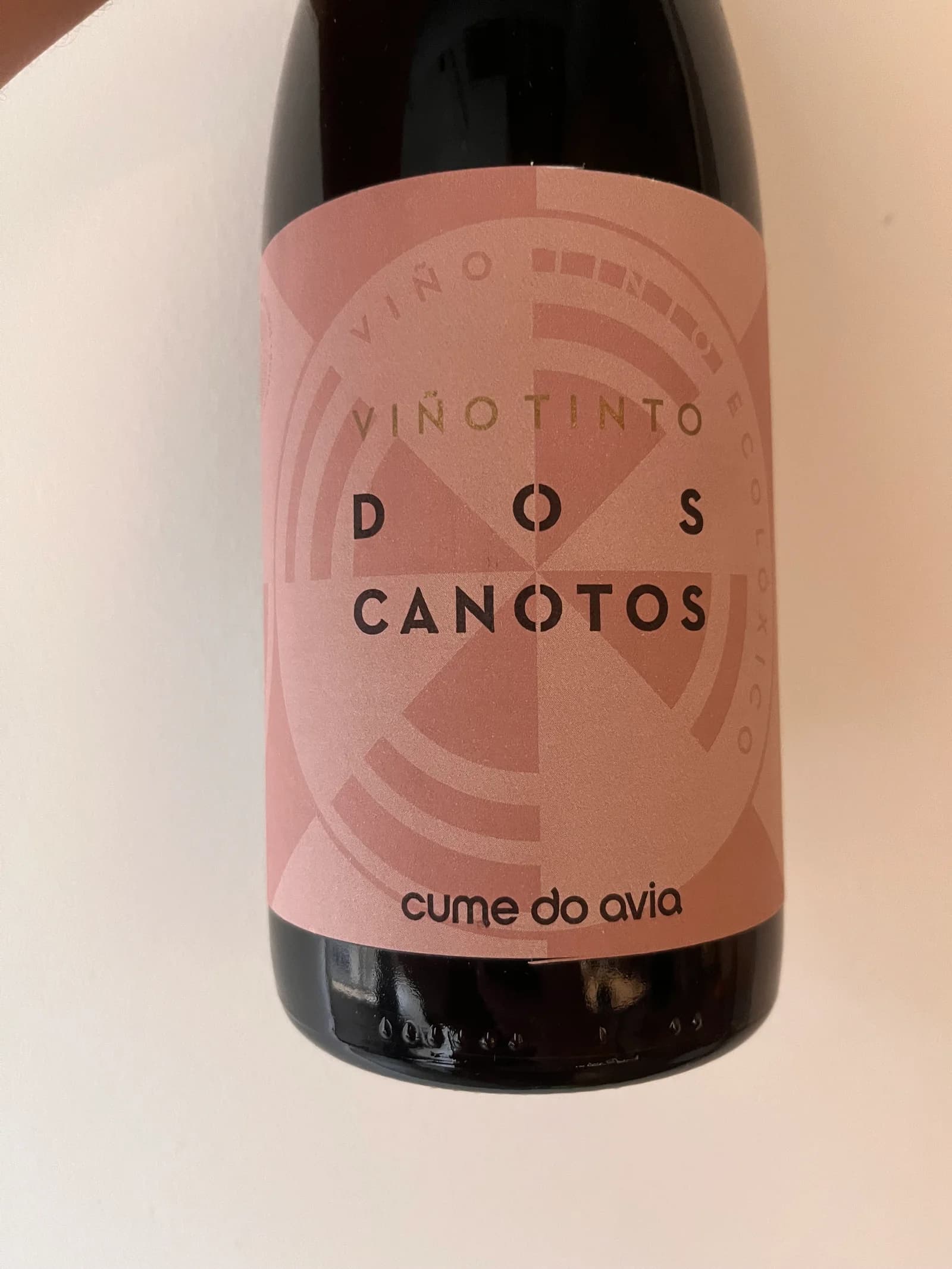
The range has three tiers. Colleita - numbered by vintage (Colleita 9 Blanco, Colleita 10 Tinto and so on) - comes from the home vineyard at Eira dos Mouros. Dos Canotos is the single-variety set, Caíño Longo and Brancellao. Arraiano Branco and Tinto are the field-blend entries from purchased fruit, the wines that keep the estate economically viable. Each variety vinified separately, whole-cluster, aged in century-old chestnut barrels. Low alcohol, high acidity, granite-driven.
They work in the same Galician revival lineage as Luis Anxo Rodríguez, Quinta da Muradella, Dominio do Bibei, Fedellos do Couto and Raúl Pérez - recovering old field blends and forgotten varieties across the Atlantic northwest.