Those Beautiful Eyes
Augalevada Time Machine: Opening the Past to Understand the Present
By Boris
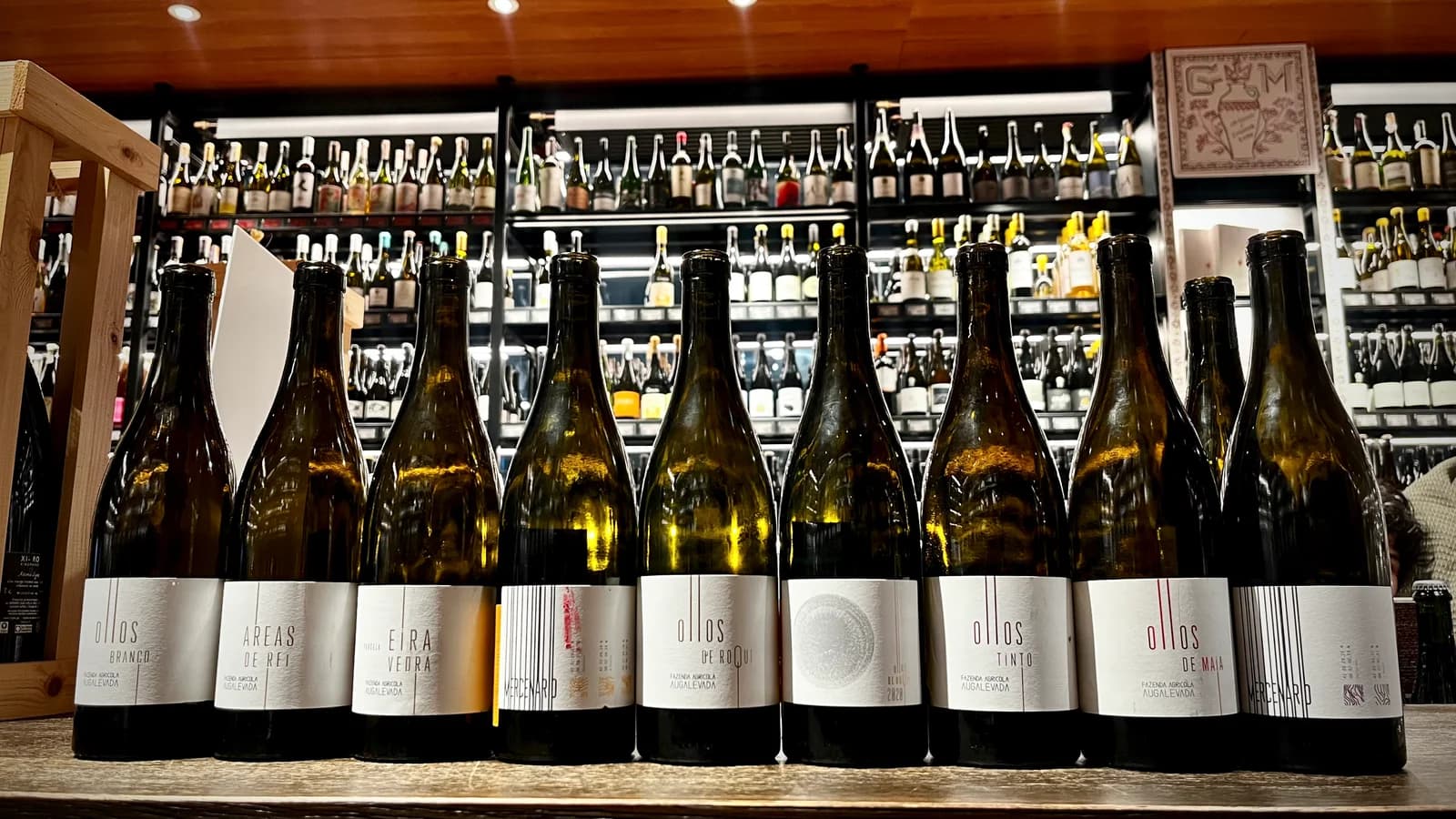
Good Wine just got their hands on the new 2023 releases from Fazenda Agricola Augalevada, and honestly, most of them need to chill the fuck out for a bit. The whites might be approachable now, but the reds, and especially Ollos de Roque, are a different matter. They're still throwing tantrums in the bottle. Which is perfect timing, actually - I've been hoarding previous vintages like some wine-obsessed dragon, and now's the moment to crack them open and see what time does to these Galician beauties.
Augalevada isn't just another Galician producer trying to ride the Atlantic wine wave. This is proper obsessive stuff - biodynamic viticulture on decomposed granite soils, indigenous varieties that most people can't even pronounce, and a winemaking philosophy that's more about capturing place than chasing points.
The Augalevada Story: Eyes Wide Open
The big news? "Mercenario" is dead. The winemaker admits it was a "necessary evil" - wines that paid the bills while he learned. But now we get "Ollos" (Eyes) instead, and this isn't just rebranding bullshit. These are parcels he has been working with since 2016, each named after the growers who tend them - Ollos de Paco, Ollos de María, and Ollos de Etelvino. The incorporation of Paco Rego's vineyard (considered one of Galicia's viticultural masters) was apparently the game-changer for quality.
Another casualty: the Crianza Biolóxica is gone too. A winter flood destroyed the madre, and that's that. Sometimes, nature decides your lineup for you.
The evolution from Mercenario to Ollos represents a shift from survival to vision. Where Mercenario was about learning and economics, Ollos is about specific parcels, specific people, specific stories. The "Número Dous" wines - made from barrels that didn't make the cut for Ollos - weren't even sold until recently. Now they're the entry level, though "entry" is relative when you're dealing with old vines and obsessive farming.
From footballer to Galicia's most interesting winemaker
Iago Garrido's path to winemaking is bizarre. A semi-professional footballer who almost joined FC Barcelona, he spent years waiting for a call that never came. While waiting, he attended culinary school, taught gardening to special needs children, and discovered biodynamic farming. In 2008, he bought the completely overgrown Augalevada property in San Clodio, Ribeiro, and single-handedly cleared ancient terraces from forest to plant vines while still playing football to pay bills.
The athletic discipline shows in his obsessive approach - visitors report him tasting every barrel multiple times during visits, constantly adjusting his understanding of each wine's evolution. Starting with 2.5 hectares (now 4), he created a complete farm ecosystem with goats, chickens, and orchards, earning Demeter biodynamic certification as Ribeiro's first such winery.
Ribeiro: Where Atlantic meets granite
Ribeiro, Galicia's oldest DO (established 1932), occupies 2,500 hectares where Atlantic, Mediterranean, and Continental climates converge. The Serra do Suído mountains create a Foehn effect that blocks Atlantic storms while enabling dramatic temperature swings, preserving acidity while achieving ripeness, which is rare in Spanish viticulture.
The region's defining feature is "sábrego" - decomposed granite creating sandy loam with exceptional drainage. These soils force vines to work harder, concentrating flavours while maintaining the crisp acidity that defines Atlantic wines. With 950mm annual rainfall (less than coastal Galicia but more than most of Spain), the constant humidity makes organic viticulture extremely challenging, which makes Augalevada's biodynamic achievement remarkable.
The Atlantic wine character here is unmistakable: marked acidity, subtle salinity, 11-13% alcohol, and light aromatics shaped by ocean influence. This isn't about power or concentration - it's about freshness and minerality that makes these wines closer to Loire or Muscadet than typical Spanish expressions.
Indigenous Varieties
Garrido works exclusively with indigenous varieties nearly lost to 20th-century industrialisation. Treixadura, Ribeiro's signature white cultivated by monks for 1,000 years, provides honeysuckle and stone fruit. Lado brings screaming acidity that's suddenly fashionable again. Agudelo, confirmed through DNA as a Chenin Blanc biotype adapted to Galicia over centuries, adds unexpected complexity.
For reds, he rescued Brancellao (nearly extinct after 19th-century oidium), alongside Caiño Longo and Caiño da Terra - varieties with intense aromatics despite low polyphenols. Initially disappointed with the "monolithic expression" of Godello and Treixadura, he made the radical decision to re-graft established vines to other varieties, sacrificing immediate production for long-term quality.
The accidental genius of Galician flor
Here's where things get properly interesting. In 2014, Garrido buried an amphora of Treixadura in his vineyard. When flor yeast developed, he thought it was a mistake. He made two versions: the "proper" oak-aged wine and "Número Dous" from the flor-covered amphora he only shared with friends. When everyone preferred Número Dous, he realised this accident was his path forward.
Flor yeast - the same organism creating Sherry and Jura's Vin Jaune - had never been commercially used in Galicia. Garrido now cultivates stable flor populations across multiple vessels: buried tinajas, 50-year-old Jerez barrels, French oak, and local chestnut. The yeast consumes glycerol while producing acetaldehyde, creating wines with distinctive salinity, almond notes, and laser-sharp minerality that reference both Jerez and Jura while remaining uniquely Galician.
All Augalevada wines now show flor influence to varying degrees. This biological ageing provides natural oxidation protection, allowing minimal sulfur (20-25mg/L total). The technique transforms indigenous varieties unexpectedly: Treixadura gains crystalline precision with pink grapefruit and tarragon, while Brancellao develops high-toned aromatics reminiscent of good Loire reds.
Why this matters (beyond the philosophy)
Forget the natural wine movement rhetoric. What matters is that Garrido has discovered something genuinely new: how to use flor yeast with Galician varieties in Atlantic conditions to create wines that couldn't exist anywhere else. This isn't about following Jura or Jerez templates - it's about finding what these specific grapes in this specific place can do when pushed in an unexpected direction.
The combination of granite terroir, Atlantic climate, indigenous varieties, and flor innovation produces wines with a distinctive "freaky" character that initially puzzled Ribeiro but increasingly defines its future. As climate change makes freshness precious and markets tire of standardised wines, Augalevada shows how forgotten terroirs can produce something genuinely distinctive when approached with technical skill rather than philosophical posturing.
Most importantly, these are good wines first, experiments second. The flor doesn't mask flaws - it amplifies the varieties' natural characteristics while adding complexity. That's the difference between innovation and gimmick, between Augalevada and producers who hide behind manifestos instead of making better wine.
The prices have gone up, and the winemaker's apologetic about it, but production costs have exploded. Still, these remain some of the most honest values in Atlantic wine - real farming, real winemaking, real stories. Now let's see what time has done to them.
Fazenda Agricola Augalevada Ollos Branco 2022
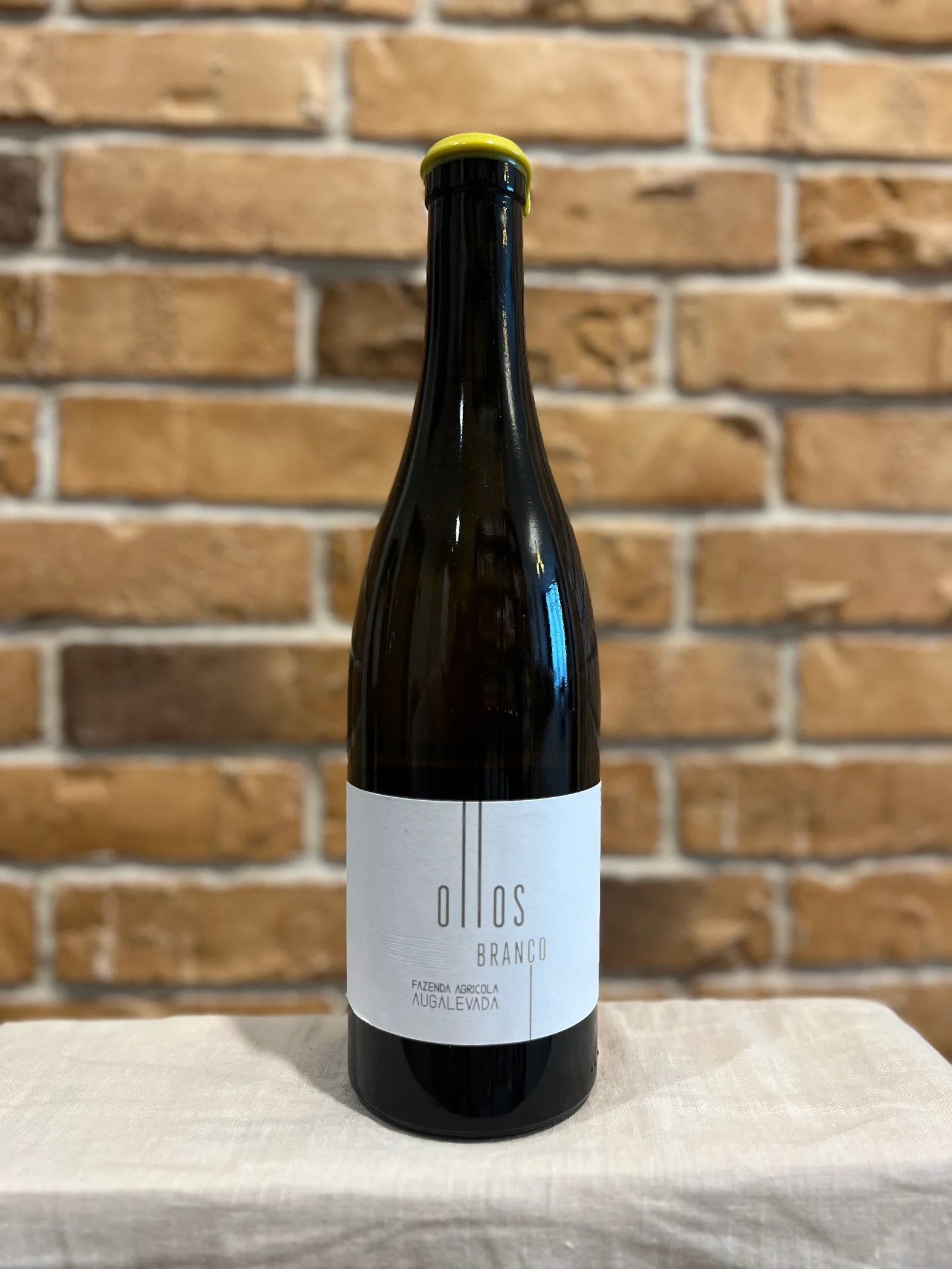
Treixadura, Lado, and Godello from selected parcels along the banks of the Arnoia, Avia, and Miño rivers. Vines between 25-50 years old on decomposed granite, schist, and gneiss with quartz inclusions. Fermented and aged in 600L and 500L barrels plus 400L foudres. Bottled August 2023. 3,000 bottles.
The full note is for members.
Join to read it and the restFazenda Agricola Augalevada Areas de Rei 2022
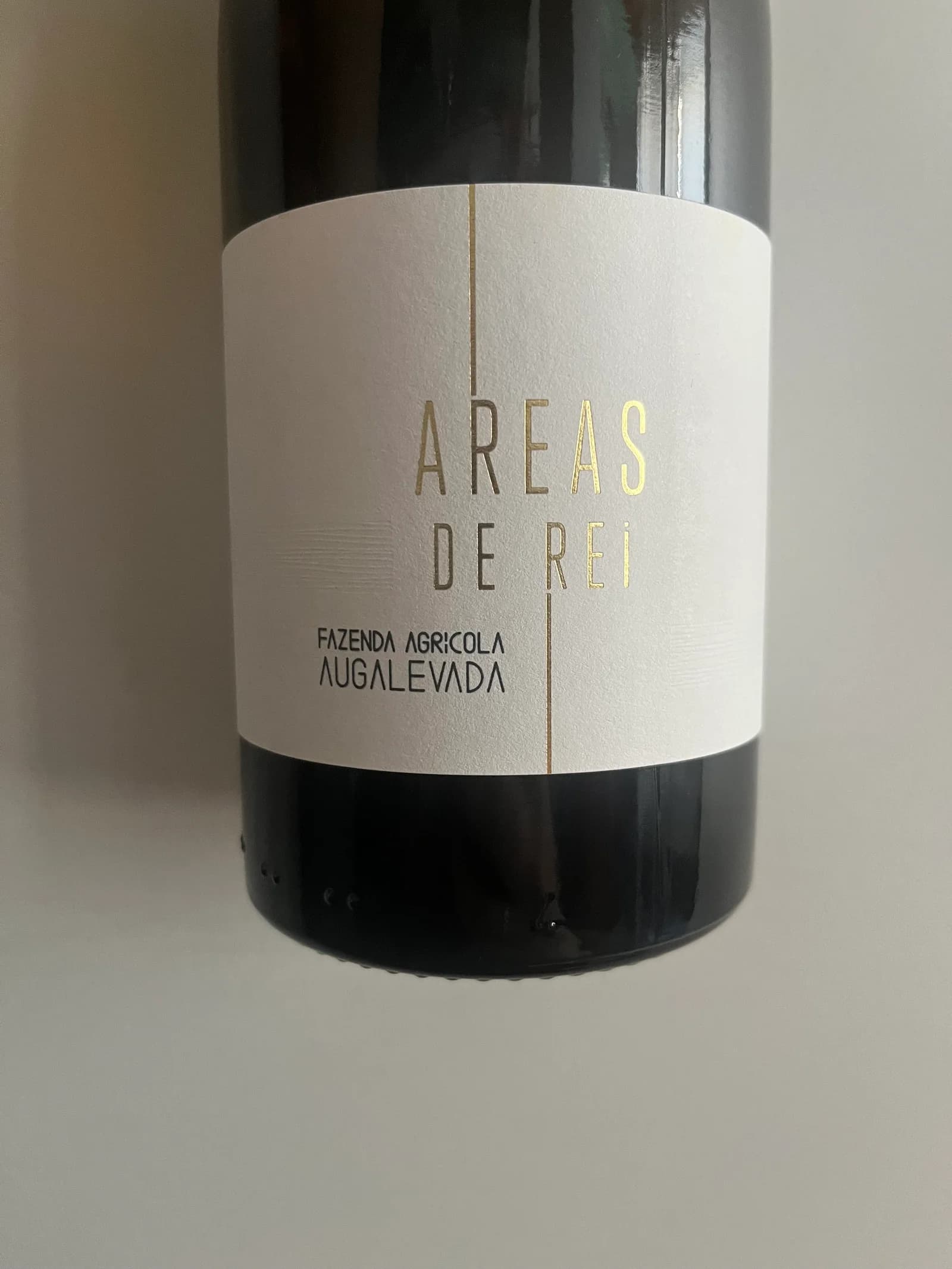
100% Doña Blanca from old vine parcels in Infesta, Monterrei. Sandy soils that give this inland variety its distinctive character. Fermented and aged in 600L and 500L barrels. Previously labelled "O Balado," it is now renamed to better reflect its origin. Bottled August 2023. 1,000 bottles.
The full note is for members.
Join to read it and the restFazenda Agricola Augalevada Parcela Eira Vedra 2022
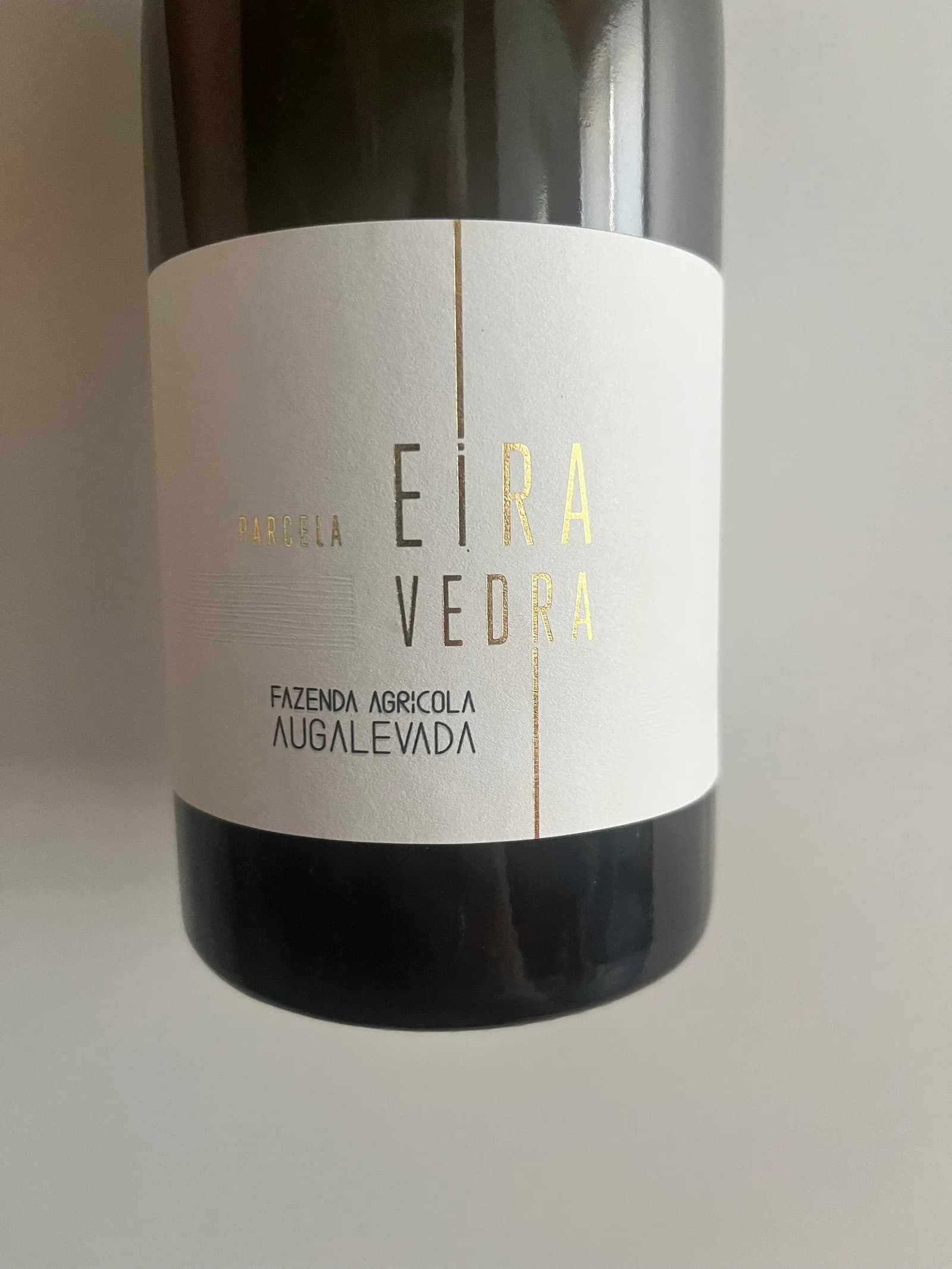
100% Albariño from a single parcel in Val do Salnés. Old vines, an ancient small-berried clone on decomposed granite. This replaced the flooded Crianza Biolóxica. Fermented and aged in 600L and 500L barrels. Bottled August 2023. 1,600 bottles.
The full note is for members.
Join to read it and the restFazenda Agricola Augalevada Mercenario branco 2021
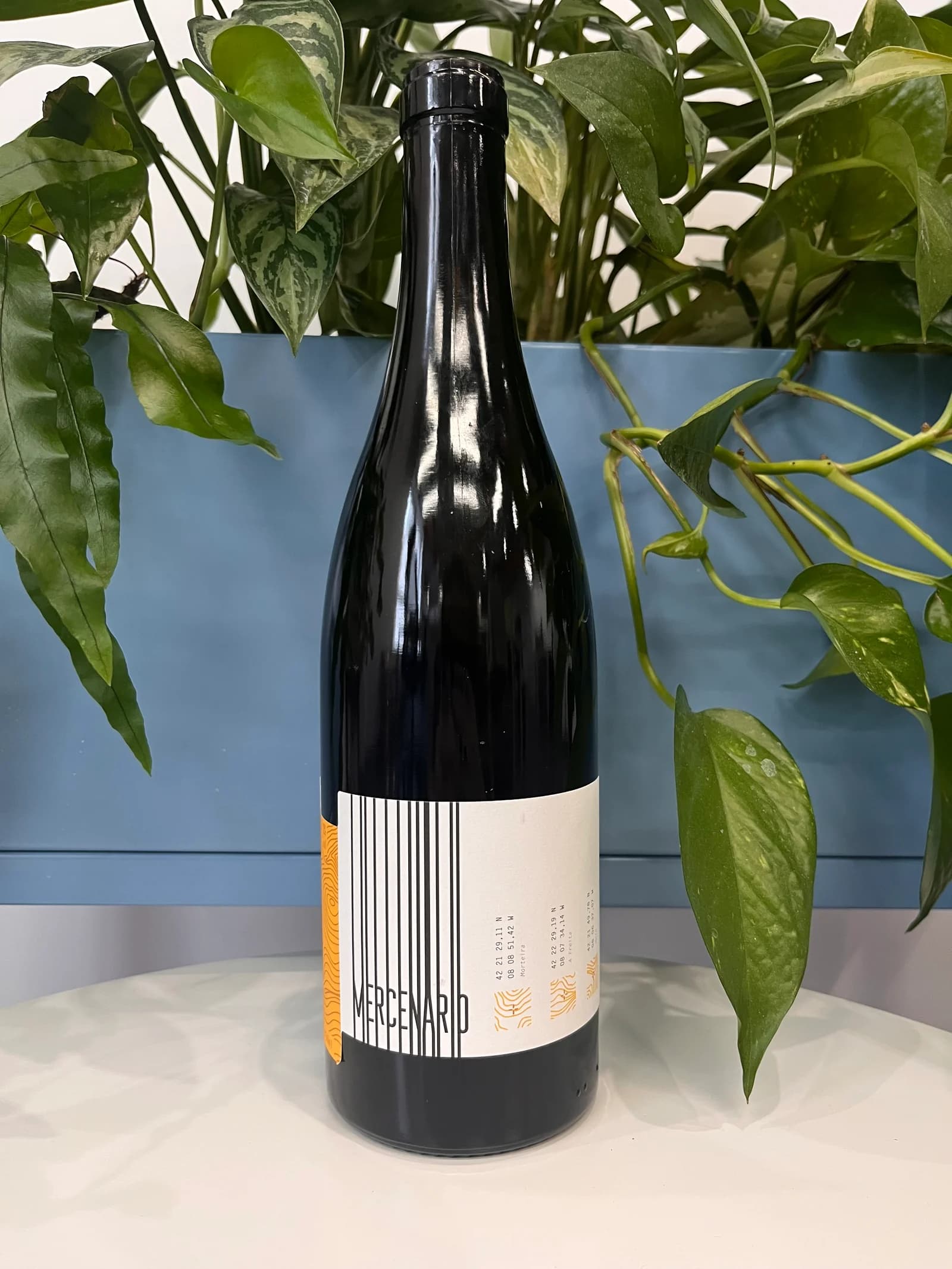
The full note is for members.
Join to read it and the restFazenda Agricola Augalevada Ollos de Roque 2021
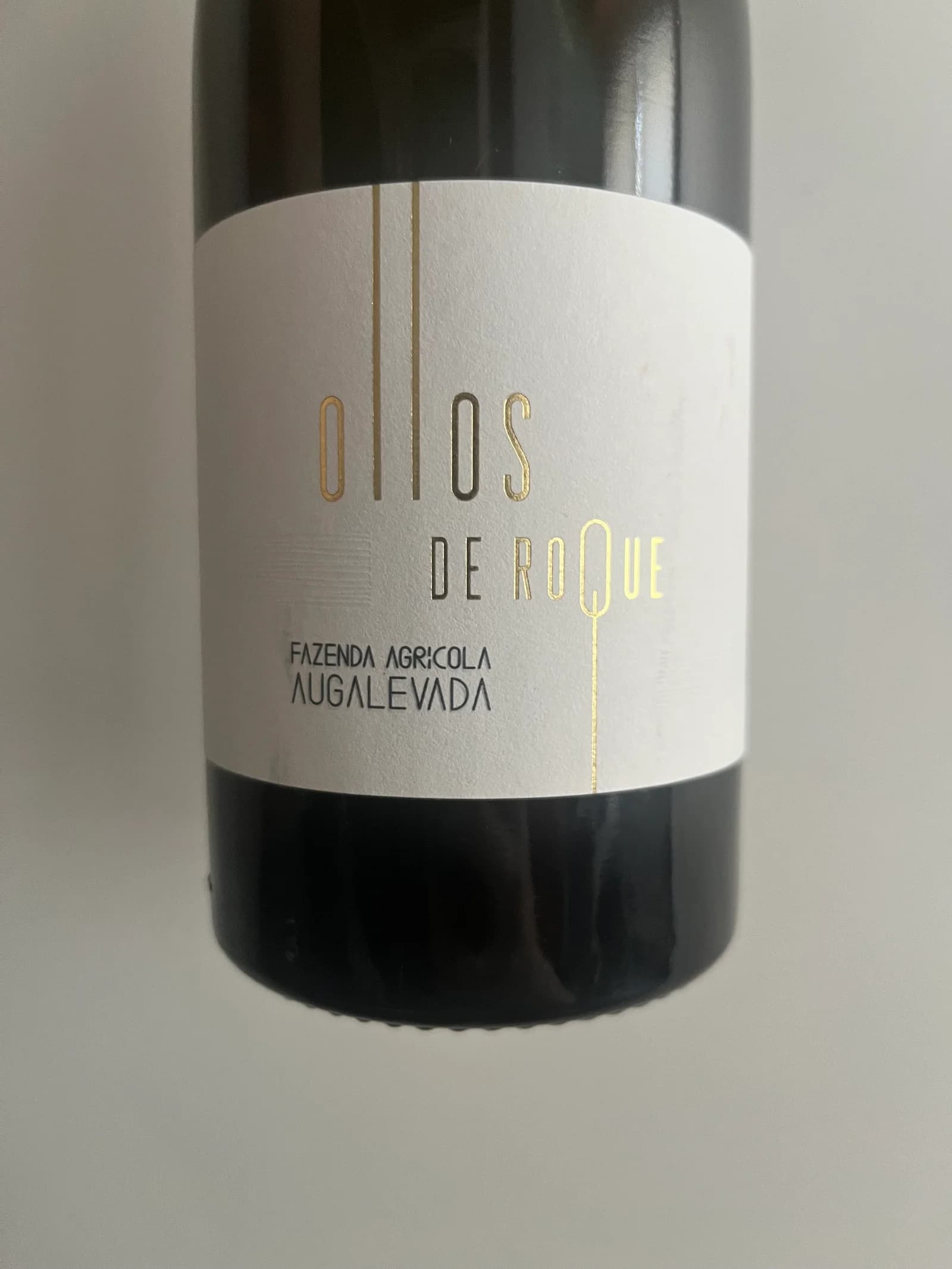
The Augalevada flagship white: Treixadura, Lado, and Godello taken straight from the estate. Decomposed granite soils, biodynamic farming. Fermented and aged in a mix of 600L and 330L barrels, 500L casks, and 400L foudres. Bottled August 2022. 2,400 bottles.
The full note is for members.
Join to read it and the restFazenda Agricola Augalevada Ollos de Roque 2020
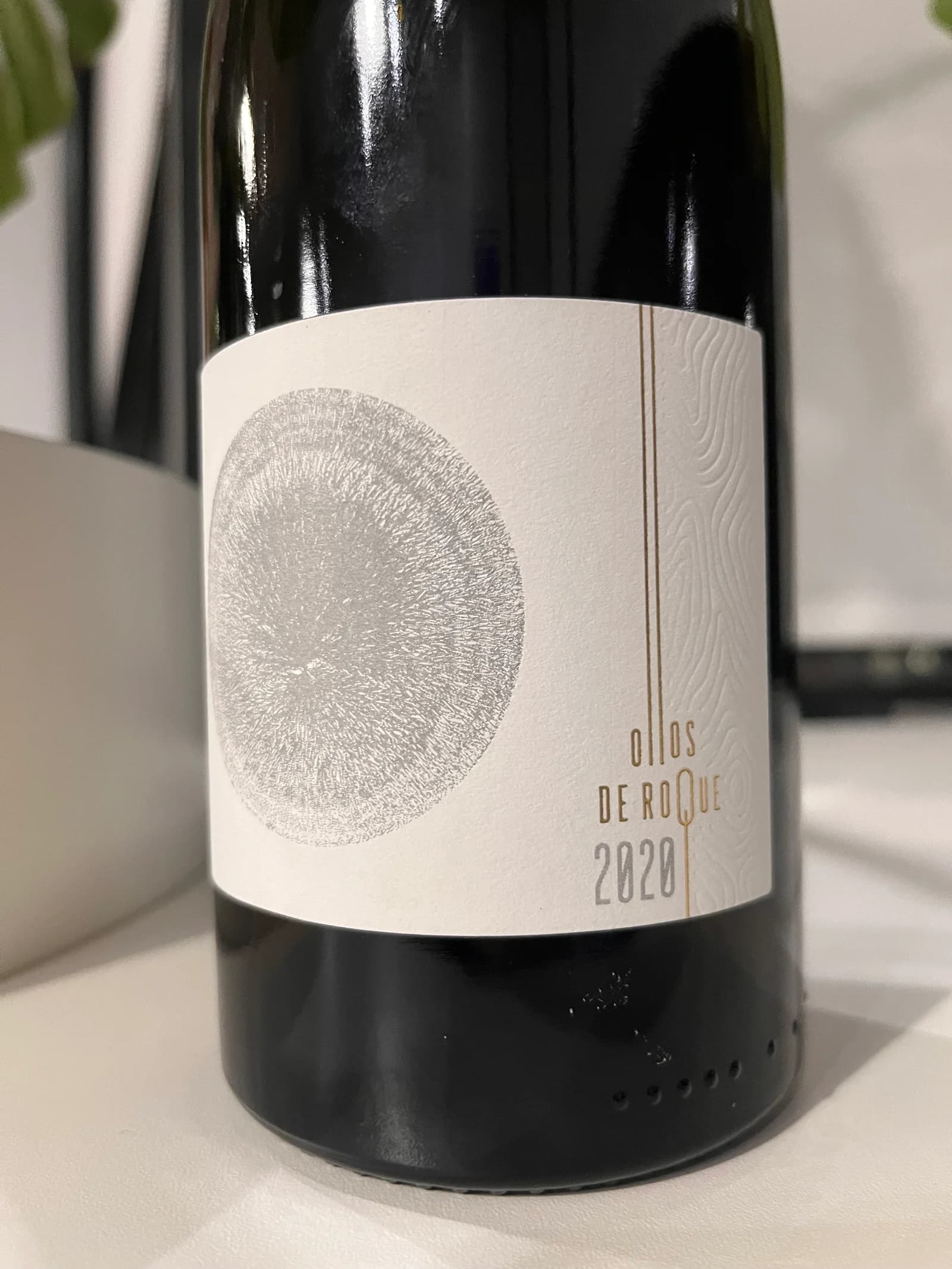
The full note is for members.
Join to read it and the restFazenda Agricola Augalevada Ollos Tinto 2022
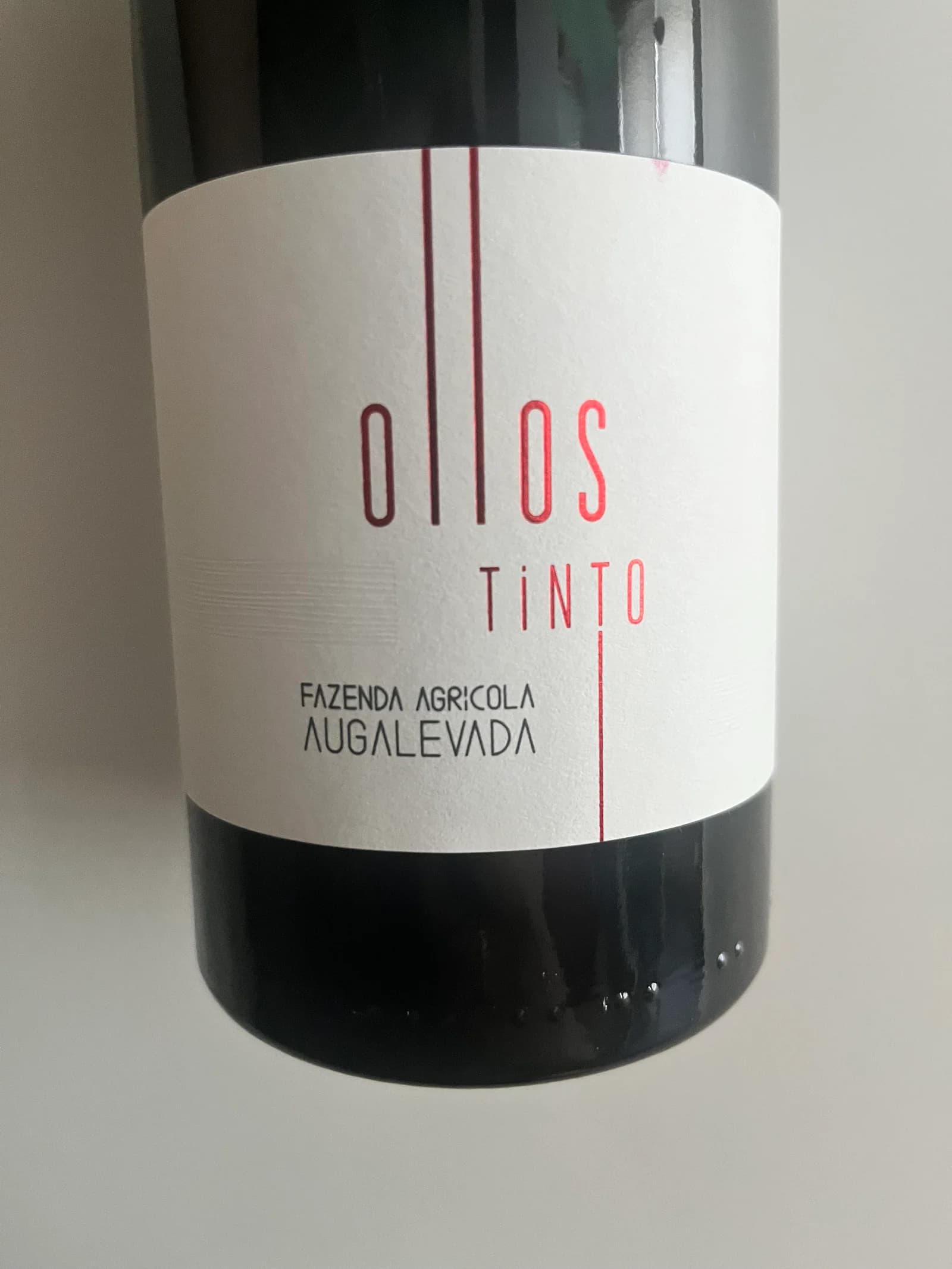
Caiño Longo, Brancellao, Espadeiro, and Sousón from the same riverbank parcels. Vines 20-35 years old, mostly on granite and schist. 70% whole cluster, 30% destemmed, macerated 25-35 days. Aged 10 months in 500L barrels. Bottled October 2023. 2,700 bottles.
The full note is for members.
Join to read it and the restFazenda Agricola Augalevada Ollos de Maia 2022
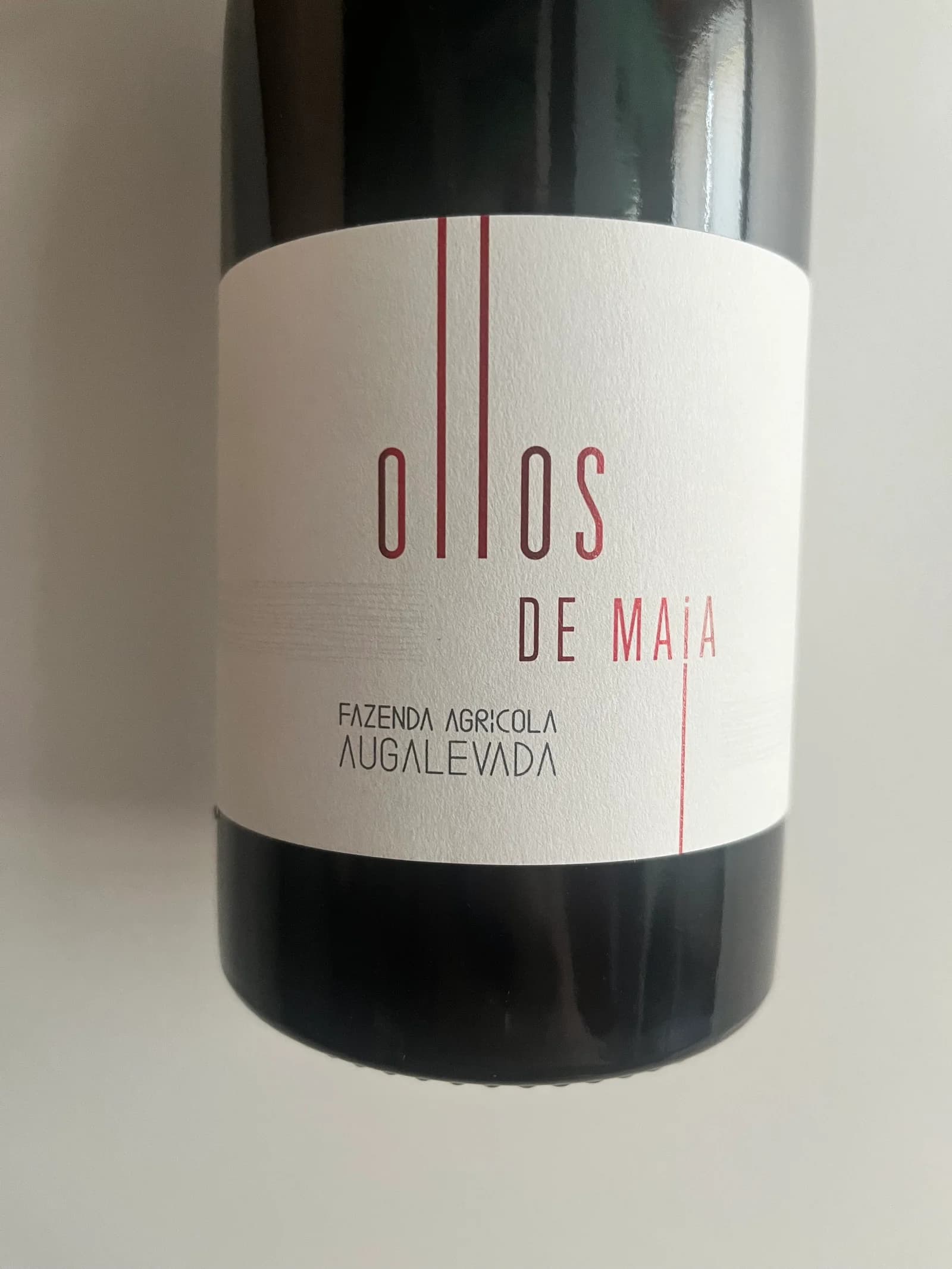
The Augalevada red: Caiño Longo, Brancellao, and Caiño da Terra from estate fruit. Same 70/30 whole cluster approach but with 30-40 days maceration. 10 months in 500-600L barrels. Bottled October 2023. Just 1,000 bottles.
The full note is for members.
Join to read it and the restFazenda Agricola Augalevada Mercenario tinto 2021
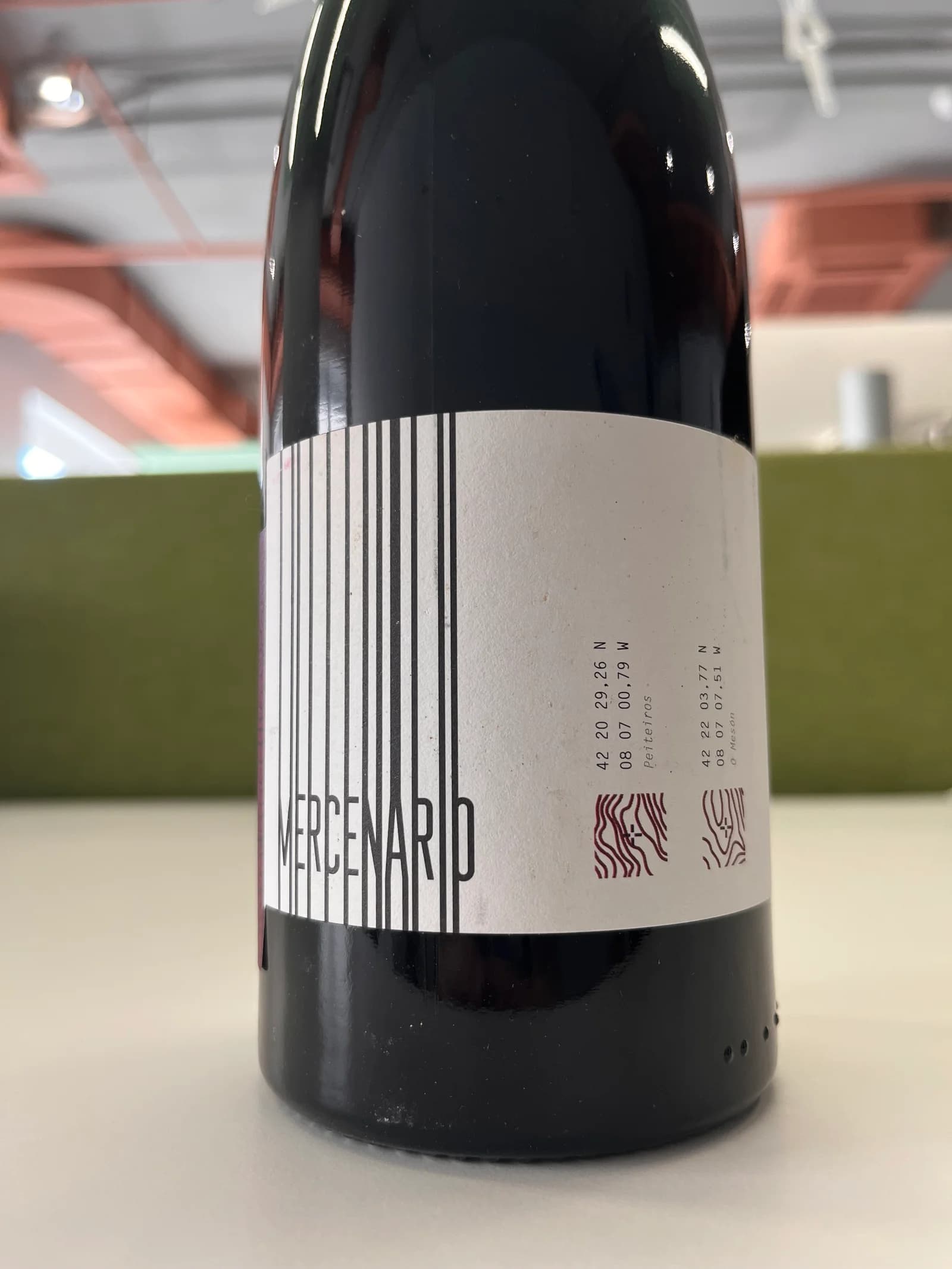
The full note is for members.
Join to read it and the rest