All producers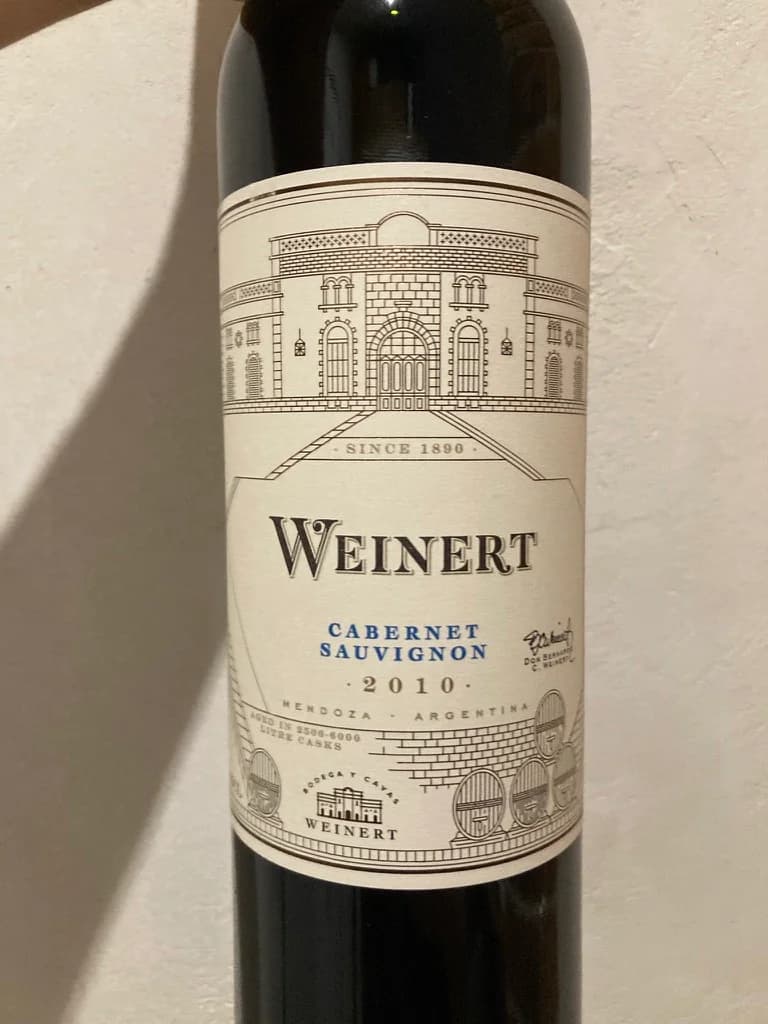
Weinert
Mendoza, Argentina9 wines3.8 avg
711
Bodega y Cavas de Weinert - Argentina's most old-school fine wine producer, aging in 260 large oval casks for years before release, the anti-Catena since 1975.
Bodega y Cavas de Weinert occupies a winery building in Luján de Cuyo that was originally constructed in 1890 by a Spanish immigrant family named Otera, closed and fell into ruins by the 1940s, and was rescued by Don Bernardo Weinert, a Brazilian businessman of German descent, in 1974. He spent years analysing Mendoza's climate, soils, and vine potential before relaunching it as Bodega y Cavas de Weinert in 1975.
The early years were shaped by Raúl de la Mota, a legendary figure in Argentine oenology who did more than almost anyone to modernise the country's winemaking. De la Mota's partnership with Weinert produced the 1977 Malbec Estrella - one of Argentina's first 100% varietal Malbecs to be presented internationally as fine wine. In 1996 Swiss oenologist Hubert Weber joined the team at the age of twenty-seven and remains the lead winemaker today.
Weinert owns no vineyards. All fruit is sourced from selected small growers across Luján de Cuyo, Valle de Uco, Vistalba, Agrelo, and Medrano - some with very old vines (seventy to a hundred and ten years). The grapes are Malbec (the core), Cabernet Sauvignon, Merlot, Bonarda, and in smaller quantities Chardonnay and Torrontés.
The defining practice is patience. The cellar holds around 260 large oval casks (2,500-6,000 litres each, some over a hundred years old), reportedly the largest such collection in Argentina. The Cavas de Weinert red blend (Malbec, Cabernet, Merlot) spends three and a half to four and a half years in cask before bottling. The Weinert Merlot sees eight years in French oak. Total cellar capacity is around four million litres across two underground caves. Wines are typically released a decade or more after the vintage.
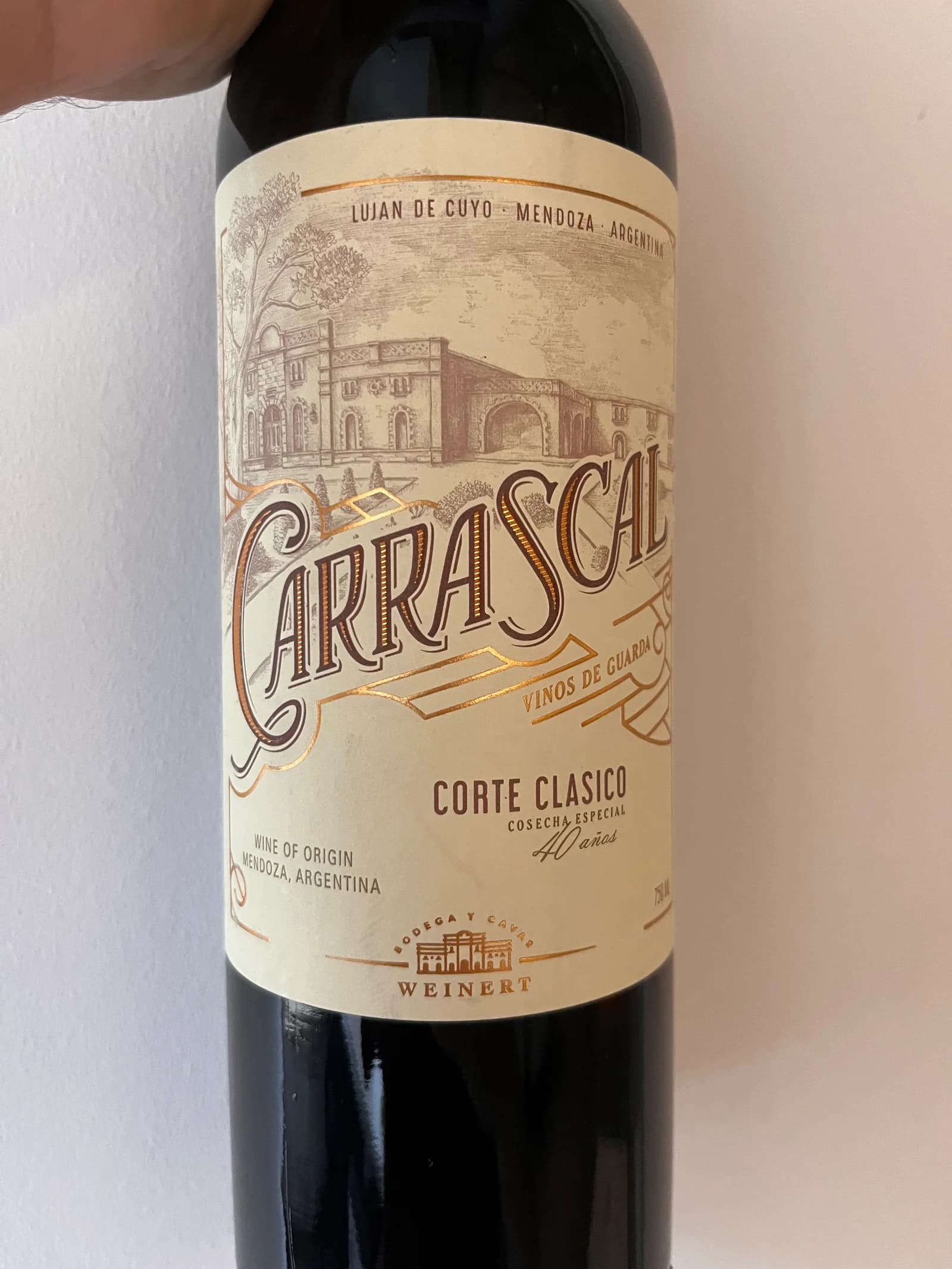
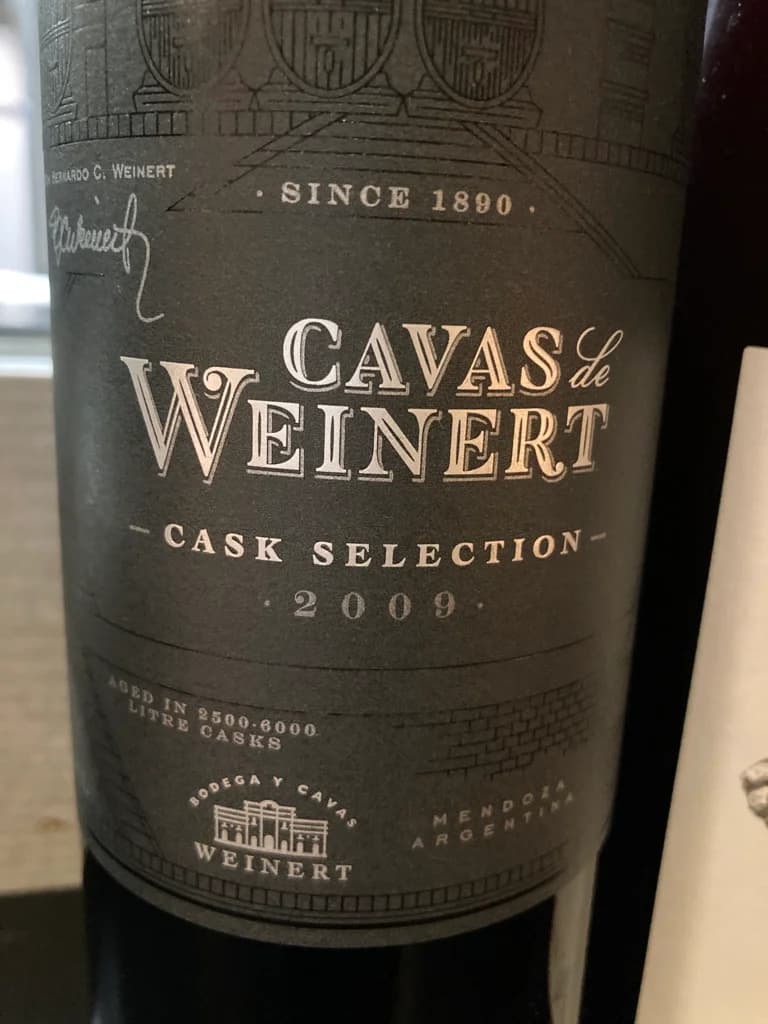
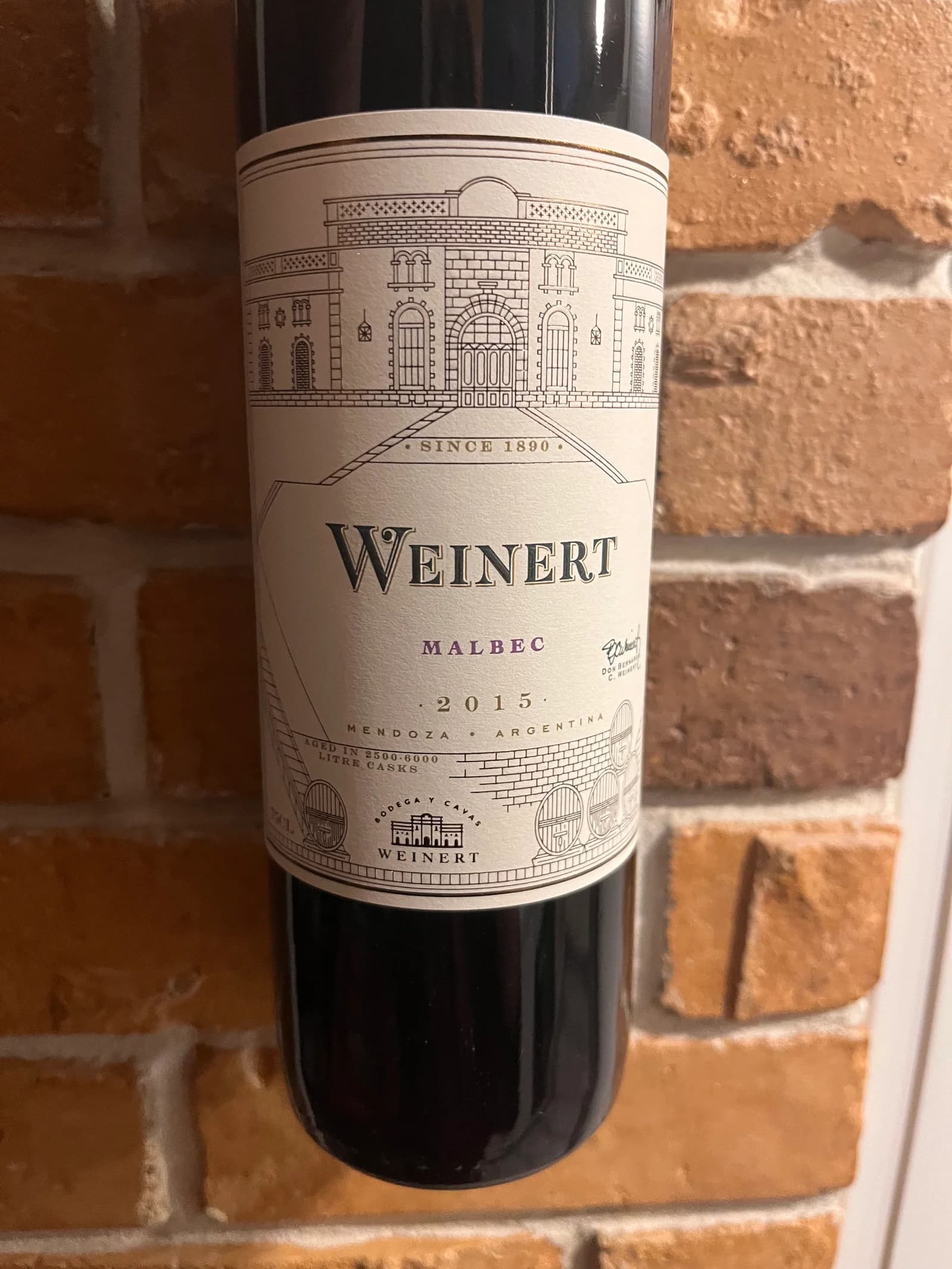
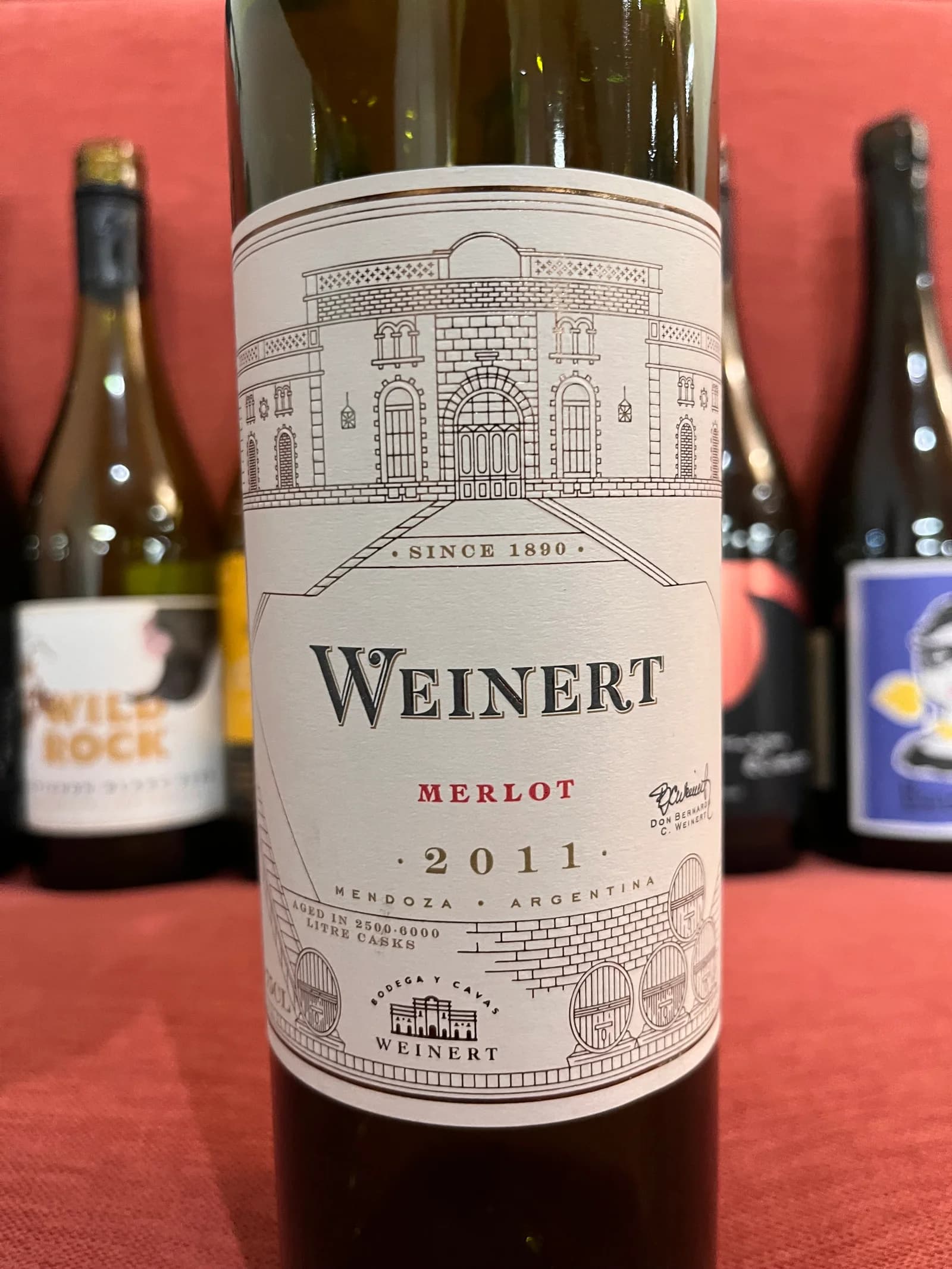
The key bottlings: Cavas de Weinert (the flagship red blend), Carrascal Tinto (blend, two years in oak), Carrascal Malbec (varietal), Weinert Malbec (old vines), Weinert Merlot (eight years in oak), and the historic Estrella.
The philosophy is stated flatly: "We make wines that we like. Trends will come and go, so it's important to have your own identity." While Catena Zapata built Argentina's reputation around altitude and modernity, Weinert built its around cellar time and patience. They are the anti-Catena - and the two perspectives, taken together, are the reason Argentine fine wine is interesting rather than one-dimensional.
Wines
3.9
Cabernet Sauvignon
2010· Argentina
4.1
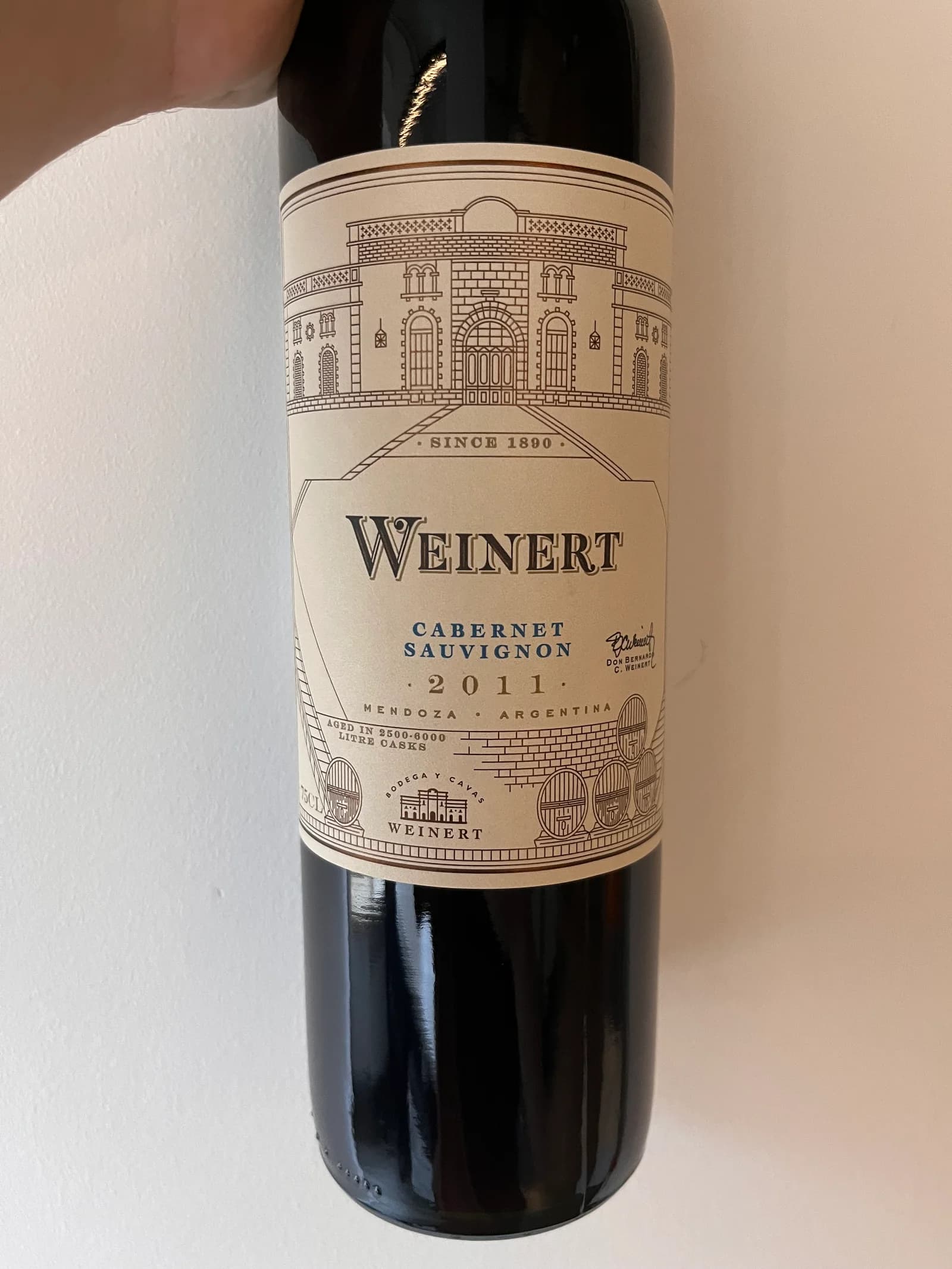
Cabernet Sauvignon
2011· Argentina
3.7
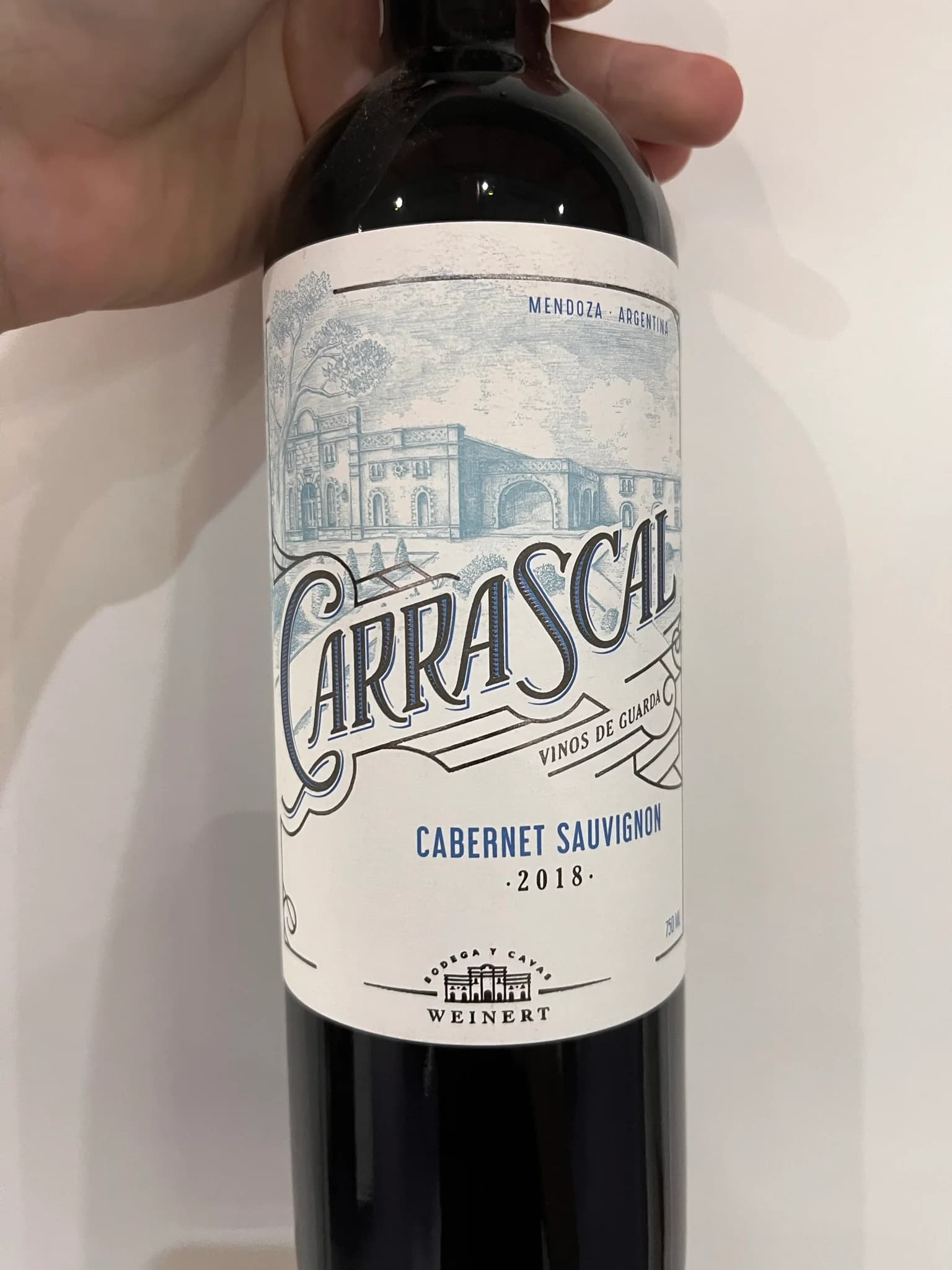
Carrascal Cabernet Sauvignon
2018· Argentina
3.7
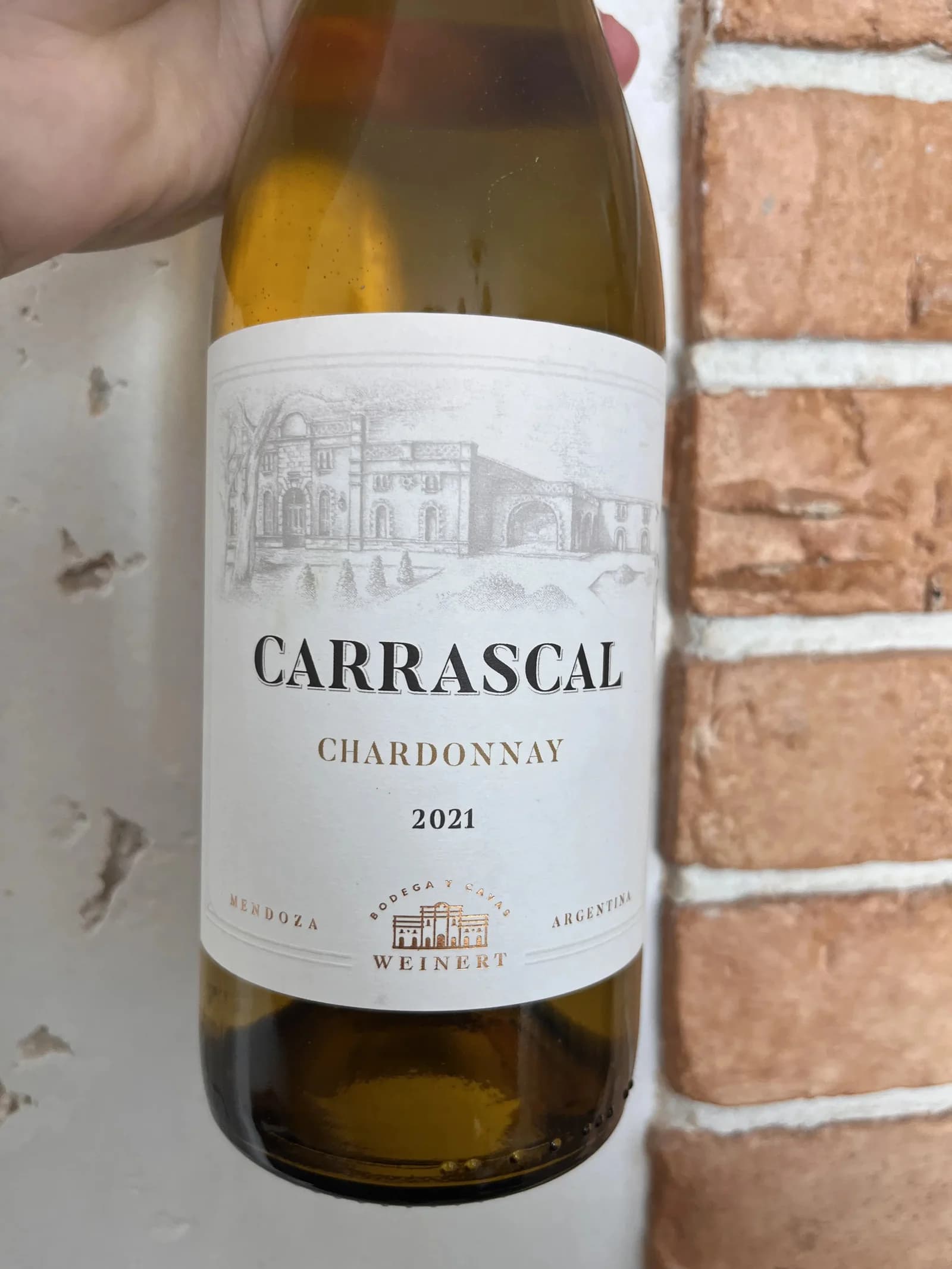
Carrascal Chardonnay
2021· Argentina
3.5
Carrascal Corte Clasico
NV· Argentina
4.2
Cavas de Weinert Cask Selection
2009· Argentina
3.9
Malbec
2015· Argentina
3.9
Merlot
2011· Argentina
3.7
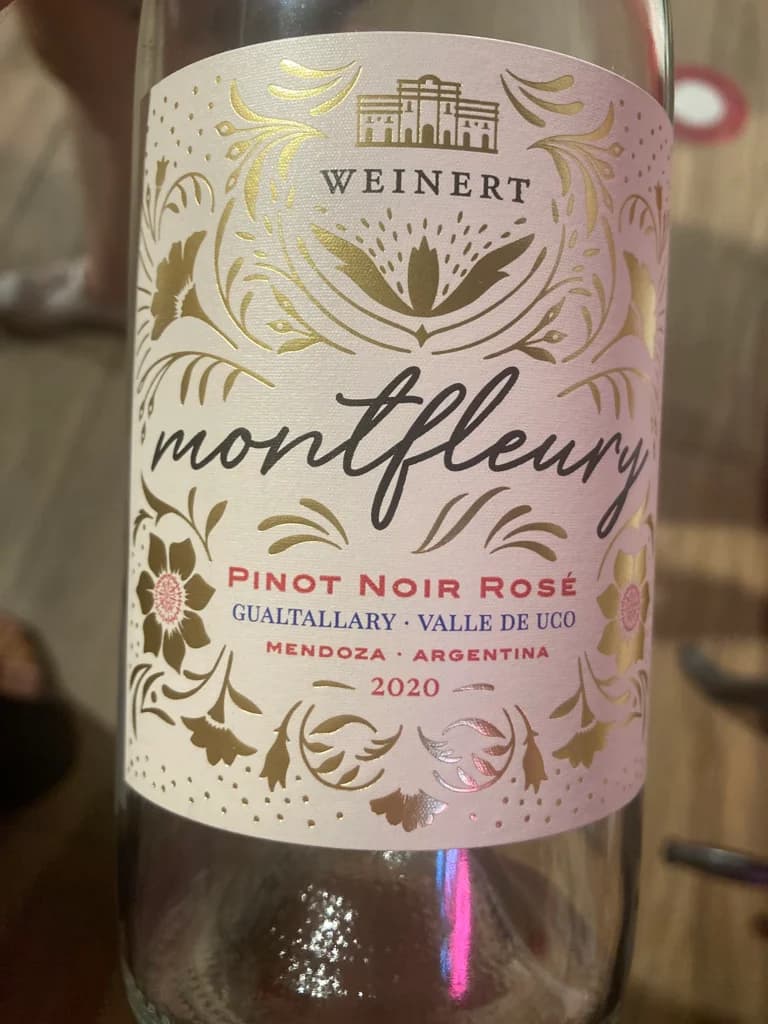
Montfleury
2020· Argentina