All producers
Victoria E. Torres Pecis
Canary Islands, Spain7 wines4.2 avg
43
The only La Palma producer exported seriously outside Spain - ungrafted old vines, volcanic picón, and one woman keeping a 19th-century lagar in working order.
Victoria E. Torres Pecis works on La Palma - the north-westerly island of the Canary archipelago, la isla bonita on the same latitude as Western Sahara. It is not where you would expect serious wine to be made. The soils are volcanic and covered in picón, the fine black ashy sand that gives the vineyards their lunar surface. The climate is extreme, the vineyards are constantly beaten by Atlantic winds, and the terrain is rugged in a way that rules out almost every kind of mechanised farming. There are eighteen producers on La Palma. Victoria is the only one exported seriously outside Spain.
I am like the Listán Blanco. Very resistant.
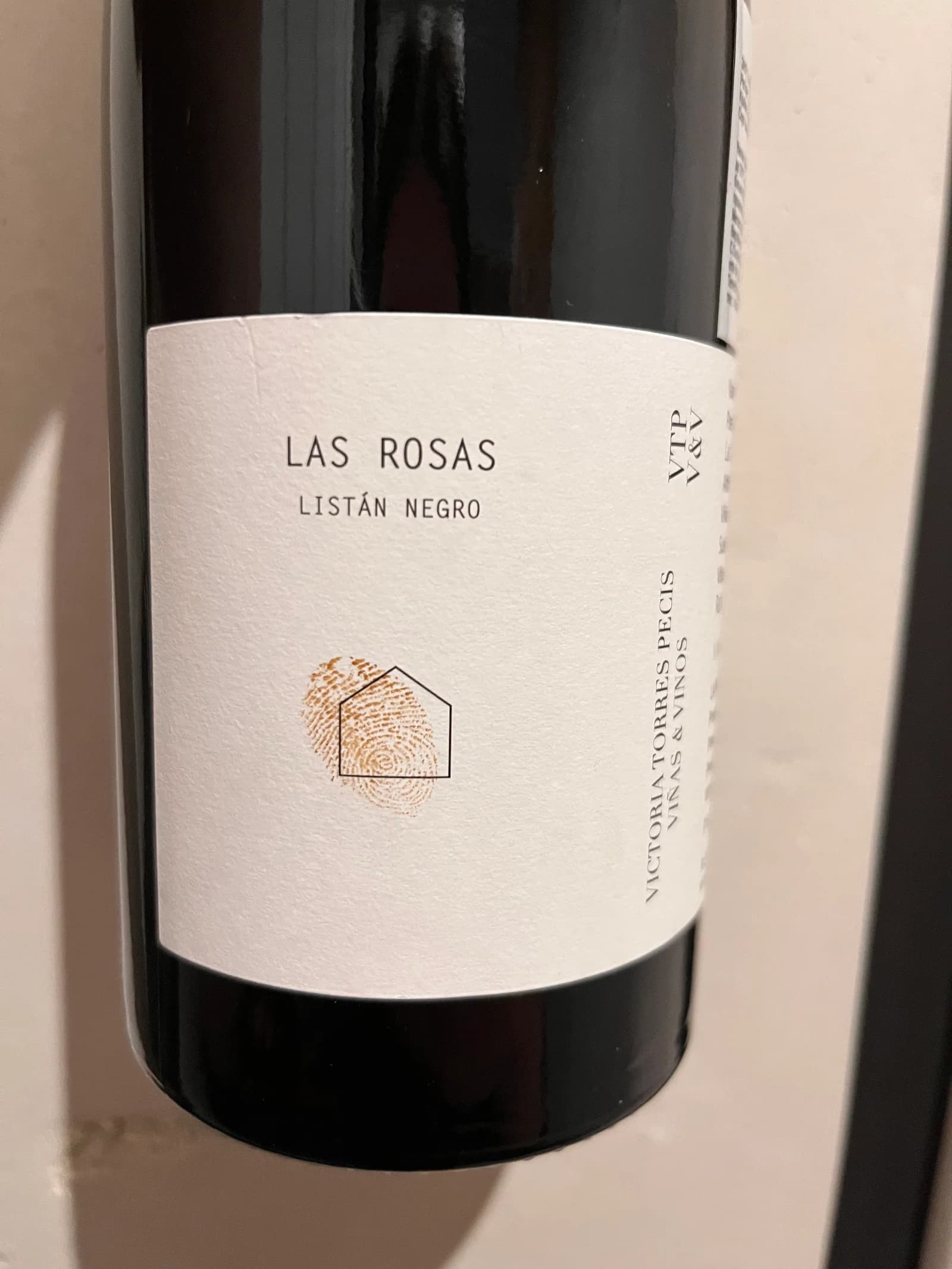
Victoria is the fifth generation of a winemaking family in Fuencaliente, at the southern tip of La Palma. She learned by watching her father Juan Matías Torres use a pine-wood lagar dating from 1885 and vinify in chestnut barrels. Her father died in 2015. She has run the bodega alone ever since. Not much has changed in the cellar: a handful of stainless steel tanks, old American and French oak, chestnut barrels, native yeasts, no temperature control. After pressure from the Catalan giant Familia Torres over the name, her back labels now read Produced and Bottled by Victoria E Torres Pecis - a quieter way of keeping her name on the bottle.
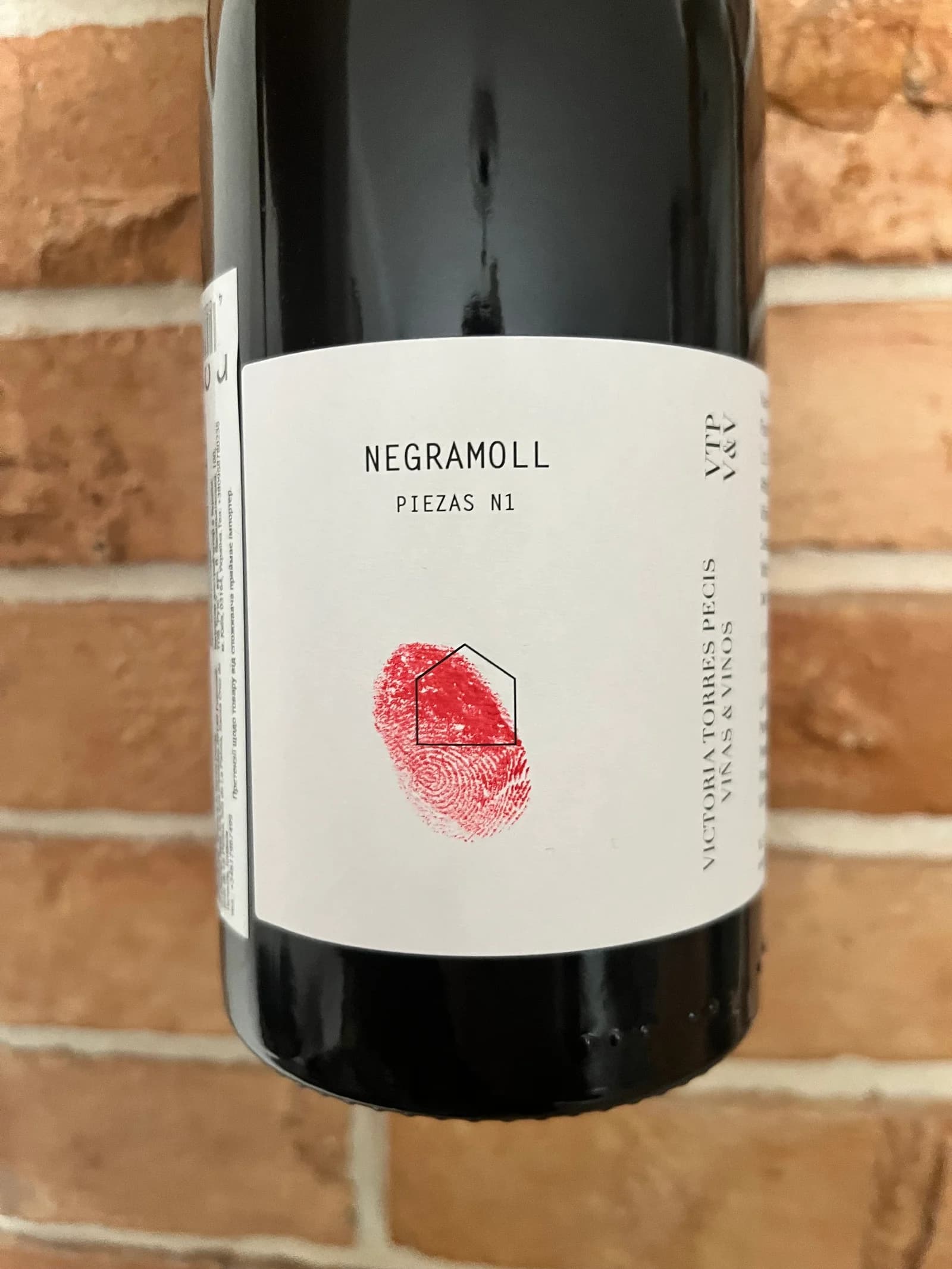
She works about seven hectares total, two of them her own property and the rest rented, scattered across the island from the southern tip up to the western slopes of Roque de Los Muchachos. Elevations run up to around 1,500 metres. All the vines are ungrafted (phylloxera never reached the Canaries), and some are older than 130 years. Grapes are the La Palma polyphony: Malvasía Aromática (the island's historic glory, the old "Canary Sack" that Shakespeare's characters drank), Listán Blanco, Negramoll, Listán Prieto, Albillo Criollo, Vijariego, and others of the island's many local names.
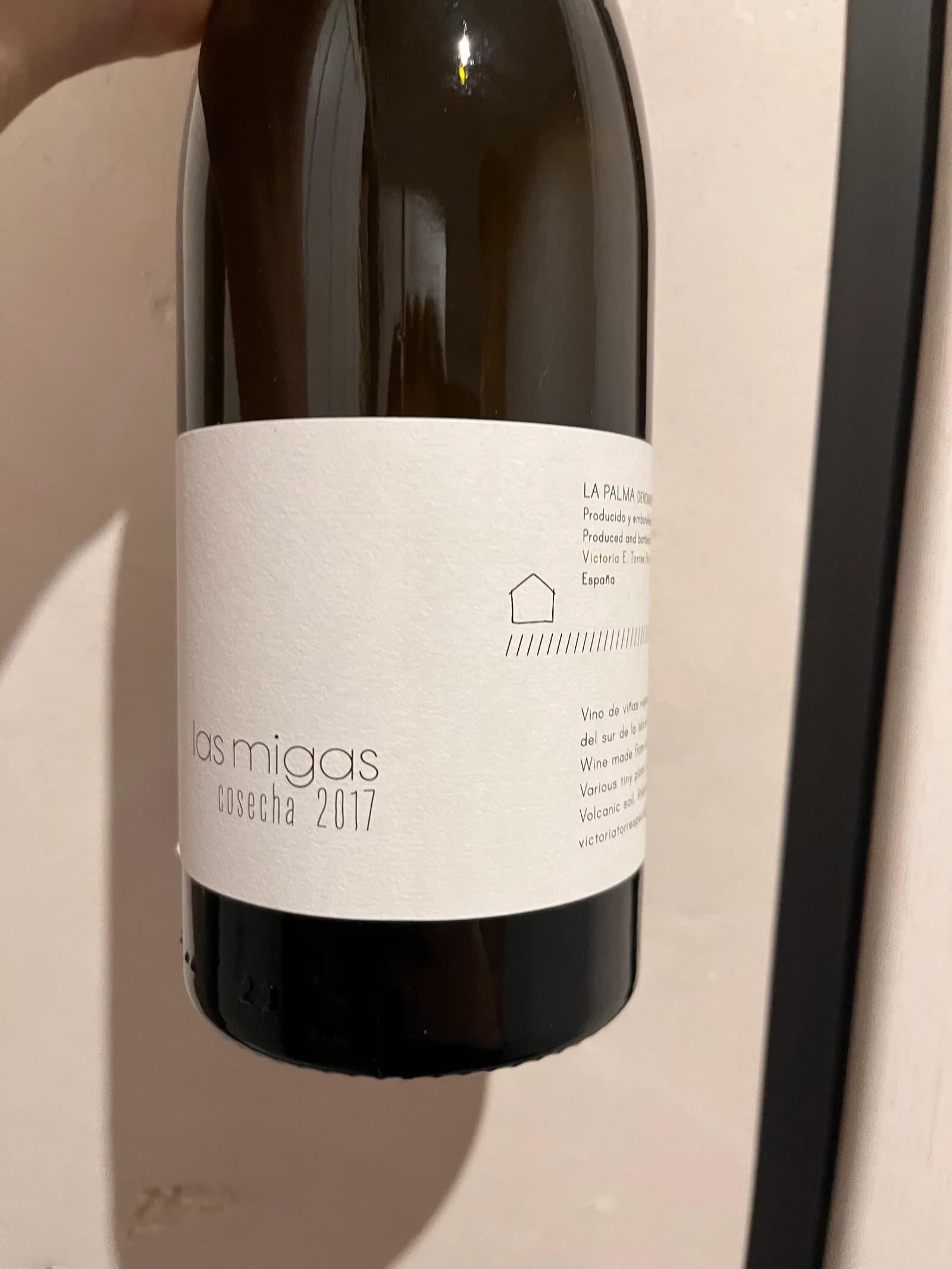
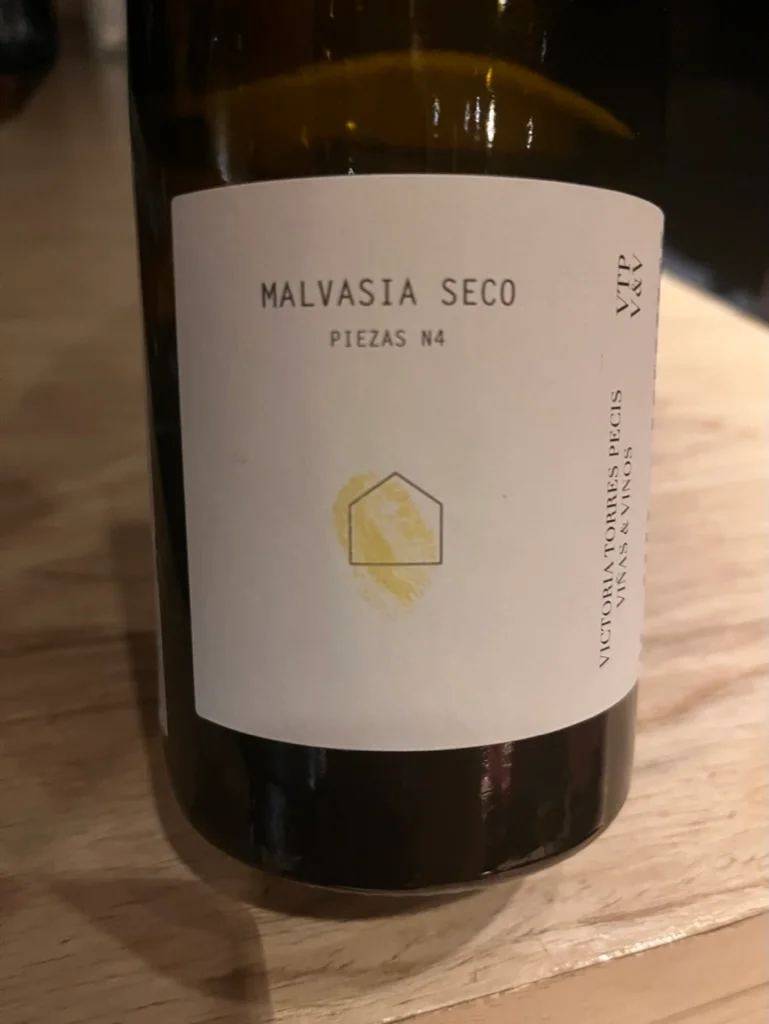
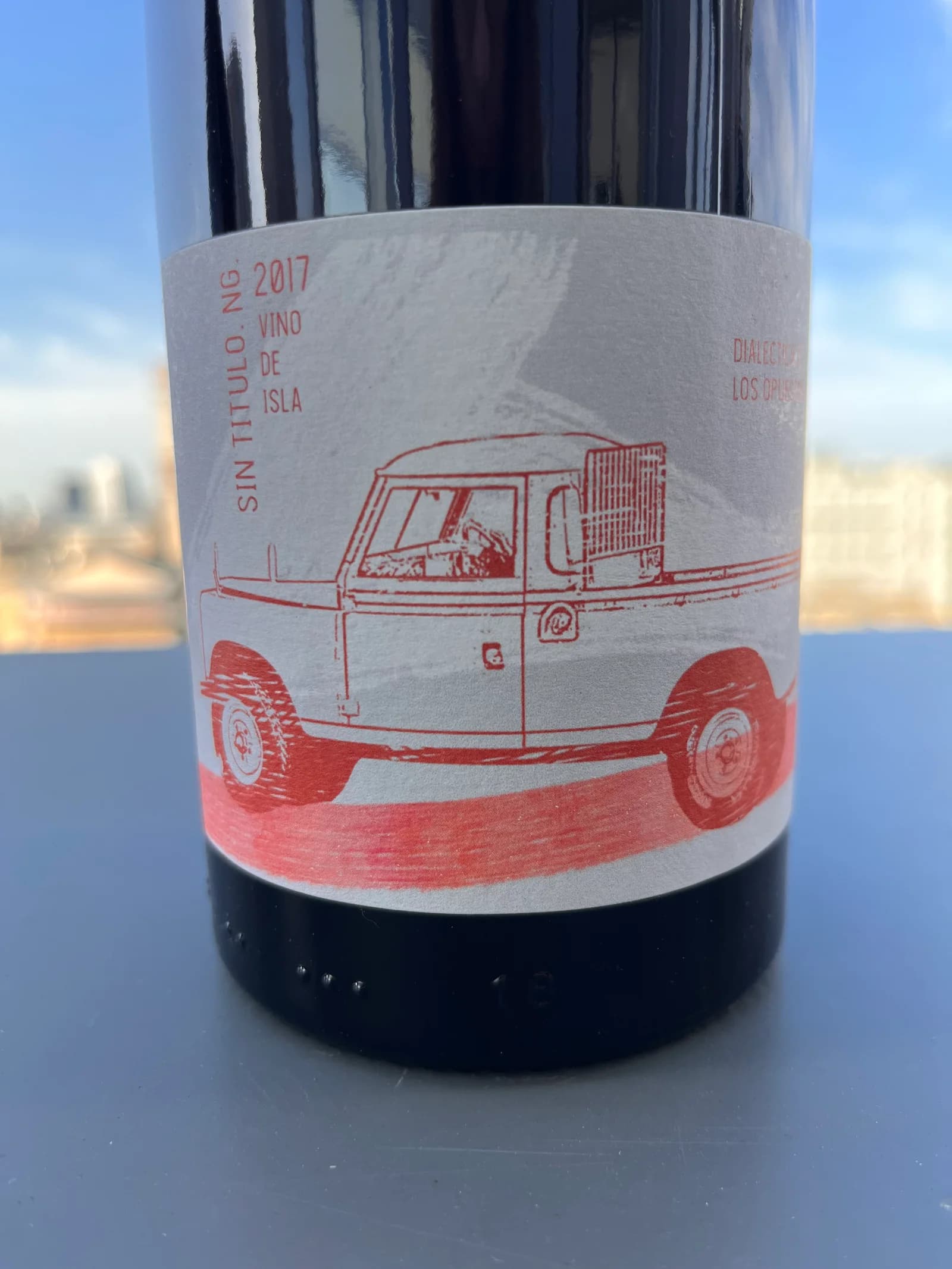
Her bottlings rotate vintage to vintage. Recurring names include Las Machuqueras, Las Migas, Clarete, El Tion, Ladera, Sin Título, and the historic sweet Malvasía Aromática Naturalmente Dulce. Production is tiny, allocation only. Critics group Victoria alongside Roberto Santana of Envínate as part of the new wave of serious Canary natural producers - she remains one of the most-allocated, hardest-to-find voices on the islands.