All producers
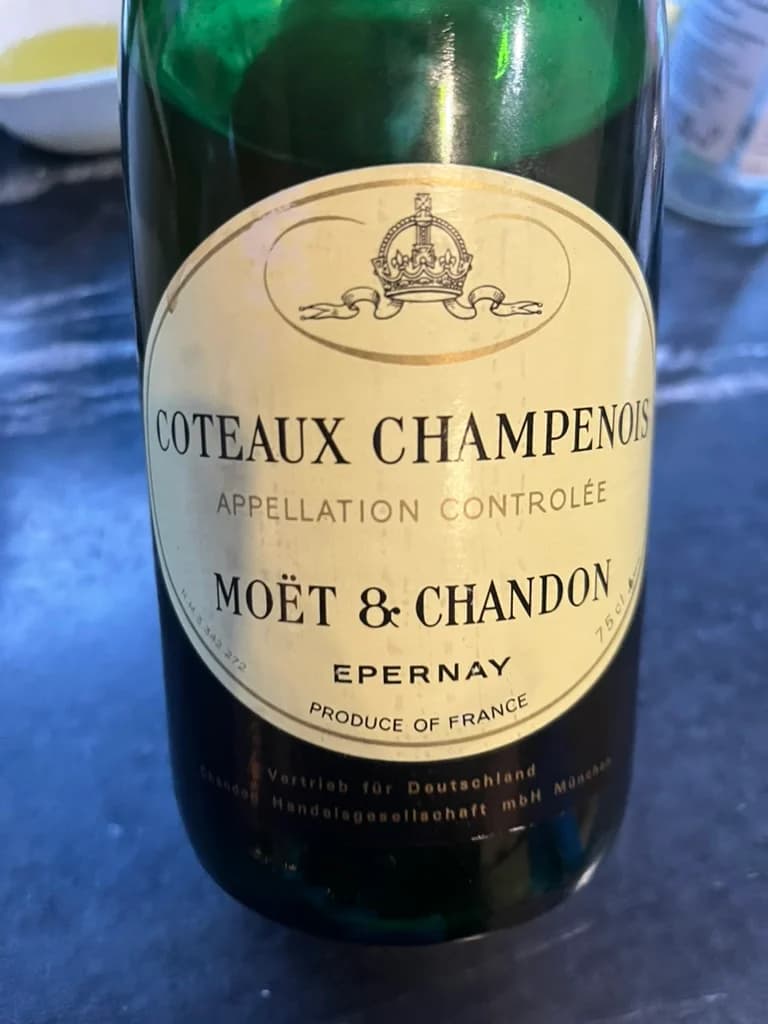
Moët & Chandon
Vallée de la Marne, France7 wines4.1 avg
52
Épernay. Largest vineyard holding in Champagne (~1,190 hectares), around 28 million bottles a year. LVMH-owned; chef de cave Benoît Gouez since 2005. Dom Pérignon is now a separate Maison under Vincent Chaperon.
Founded in 1743 by Claude Moët in Épernay and renamed Moët et Chandon in 1833 when Pierre-Gabriel Chandon de Briailles, Jean-Rémy Moët's son-in-law, joined as partner. The house has belonged to LVMH since 1987 and sits inside its Moët Hennessy wines and spirits arm; it is the largest landholder in Champagne, with around 1,190 hectares (half Grand Cru, a quarter Premier Cru) that supply roughly a quarter of production - the remainder sourced from growers across the region.
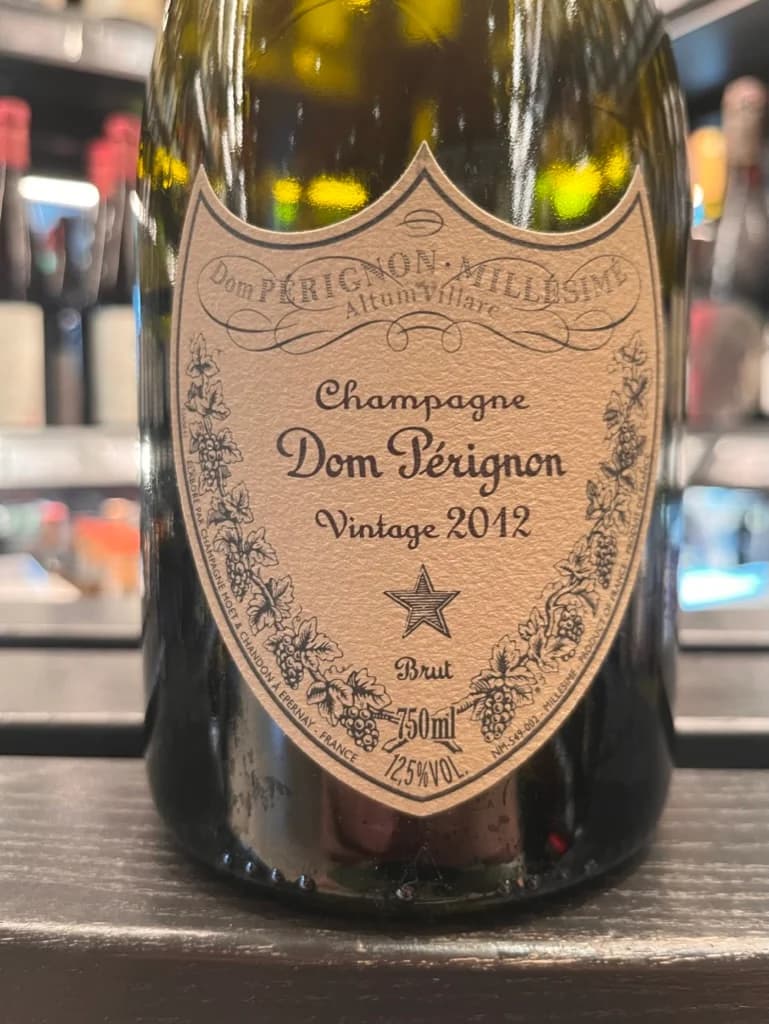
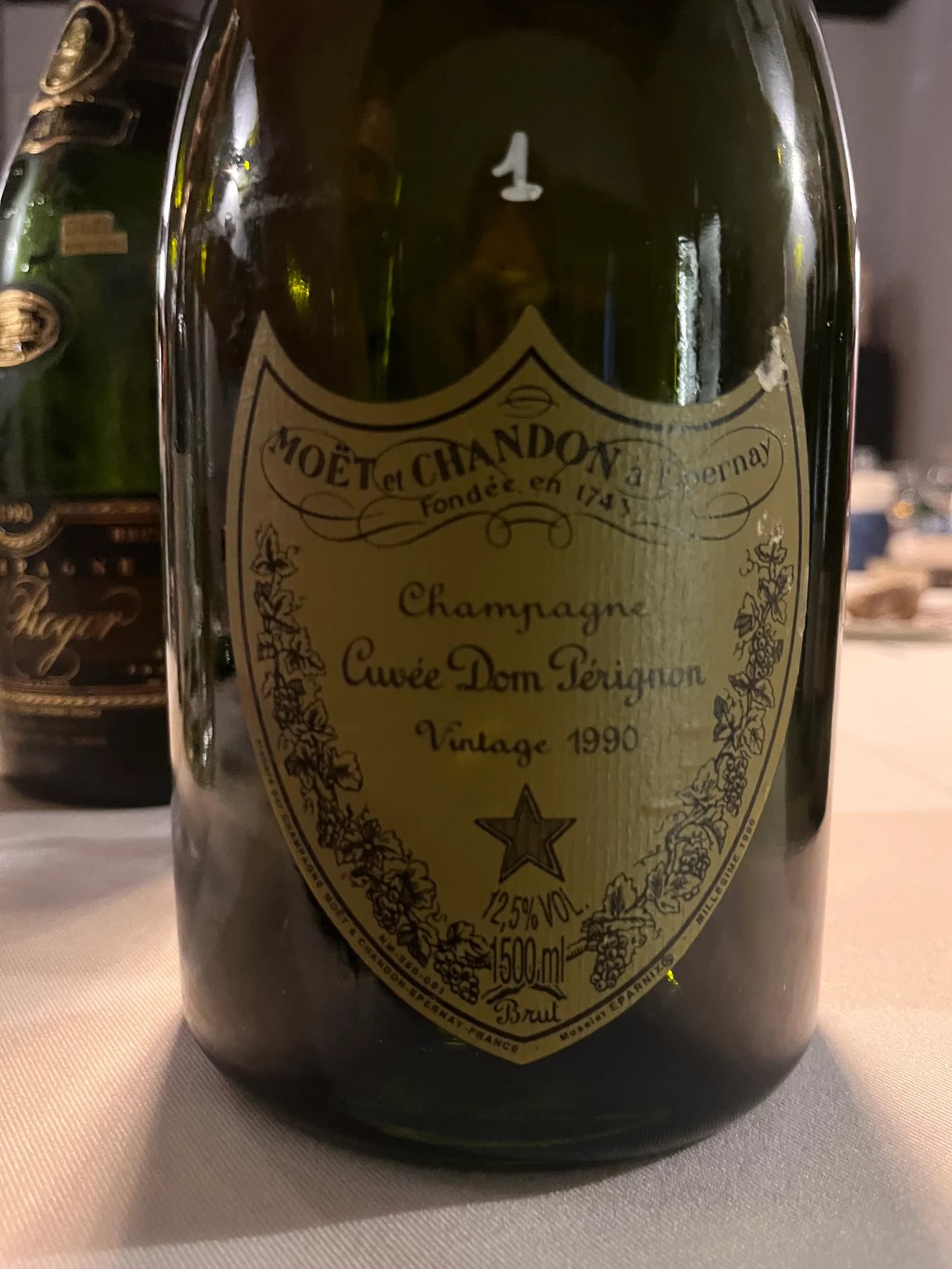
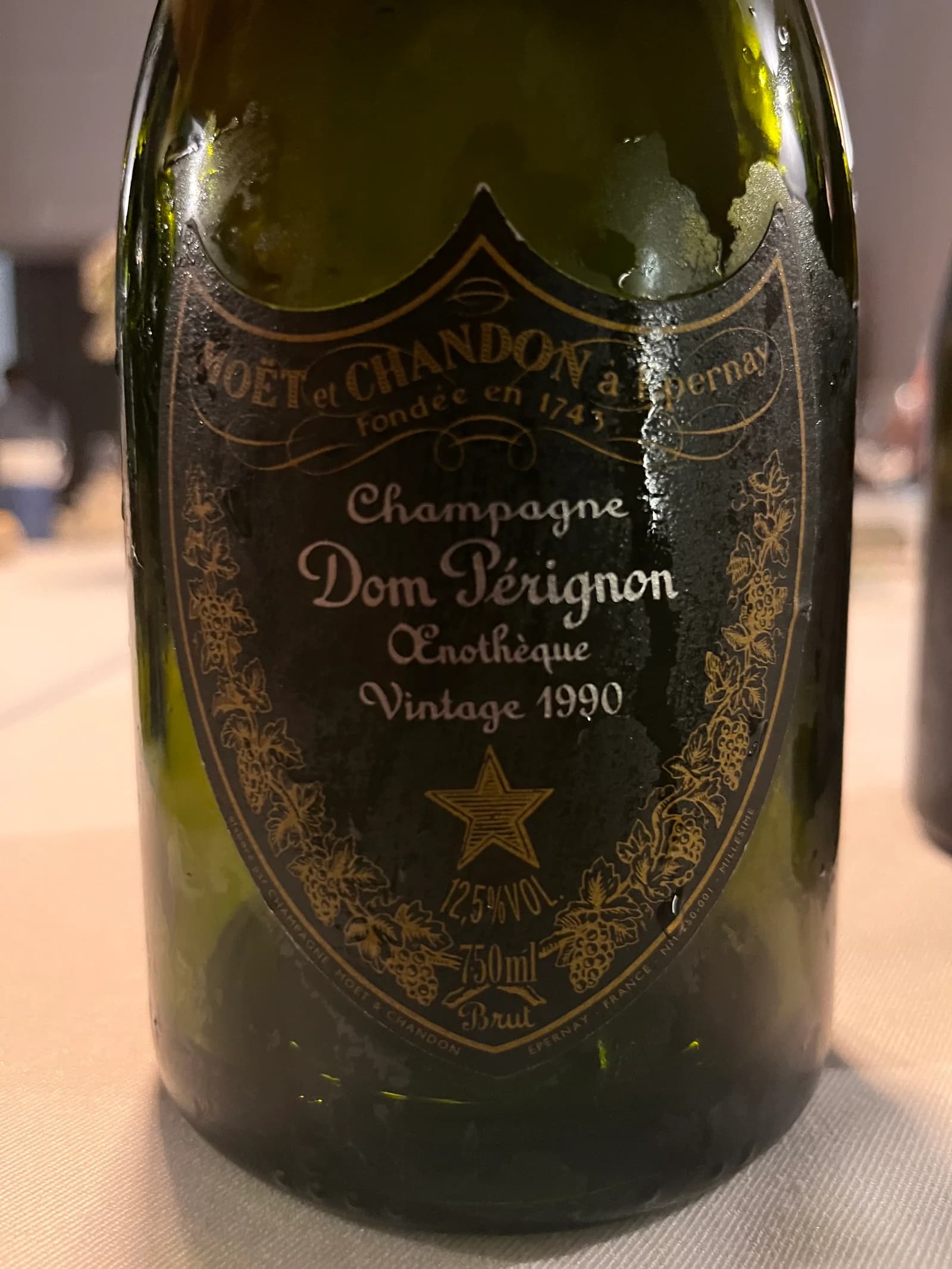
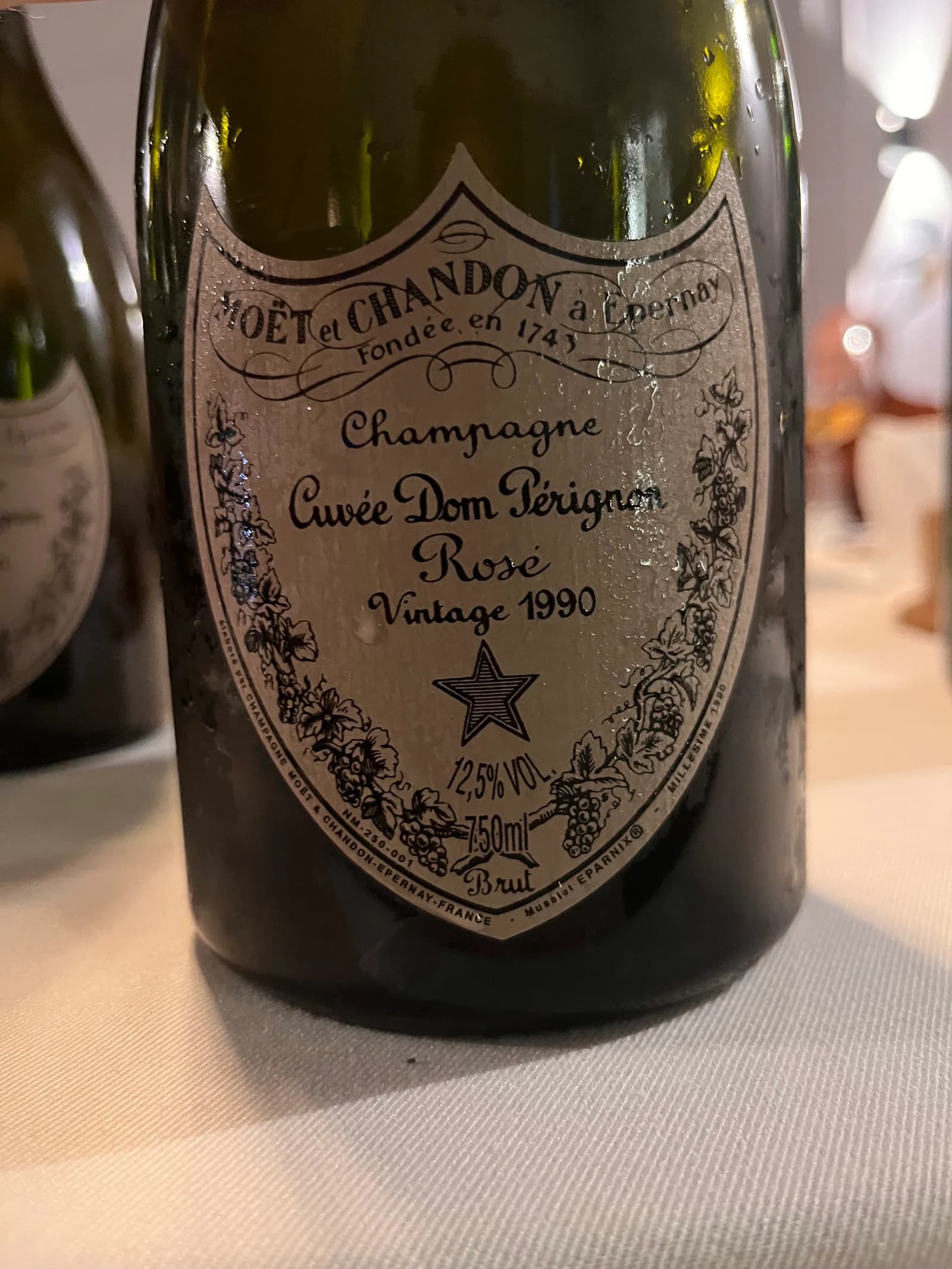
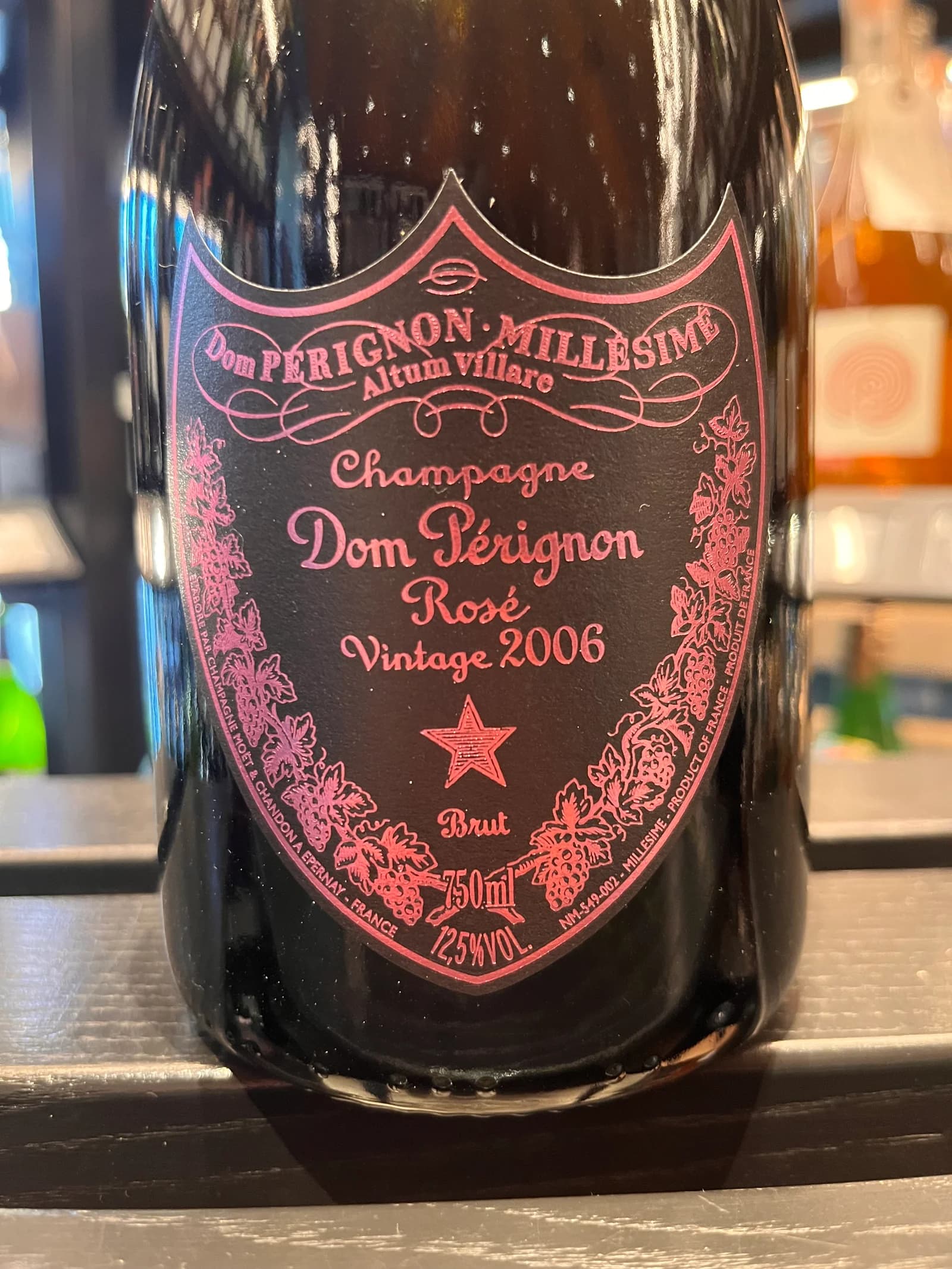
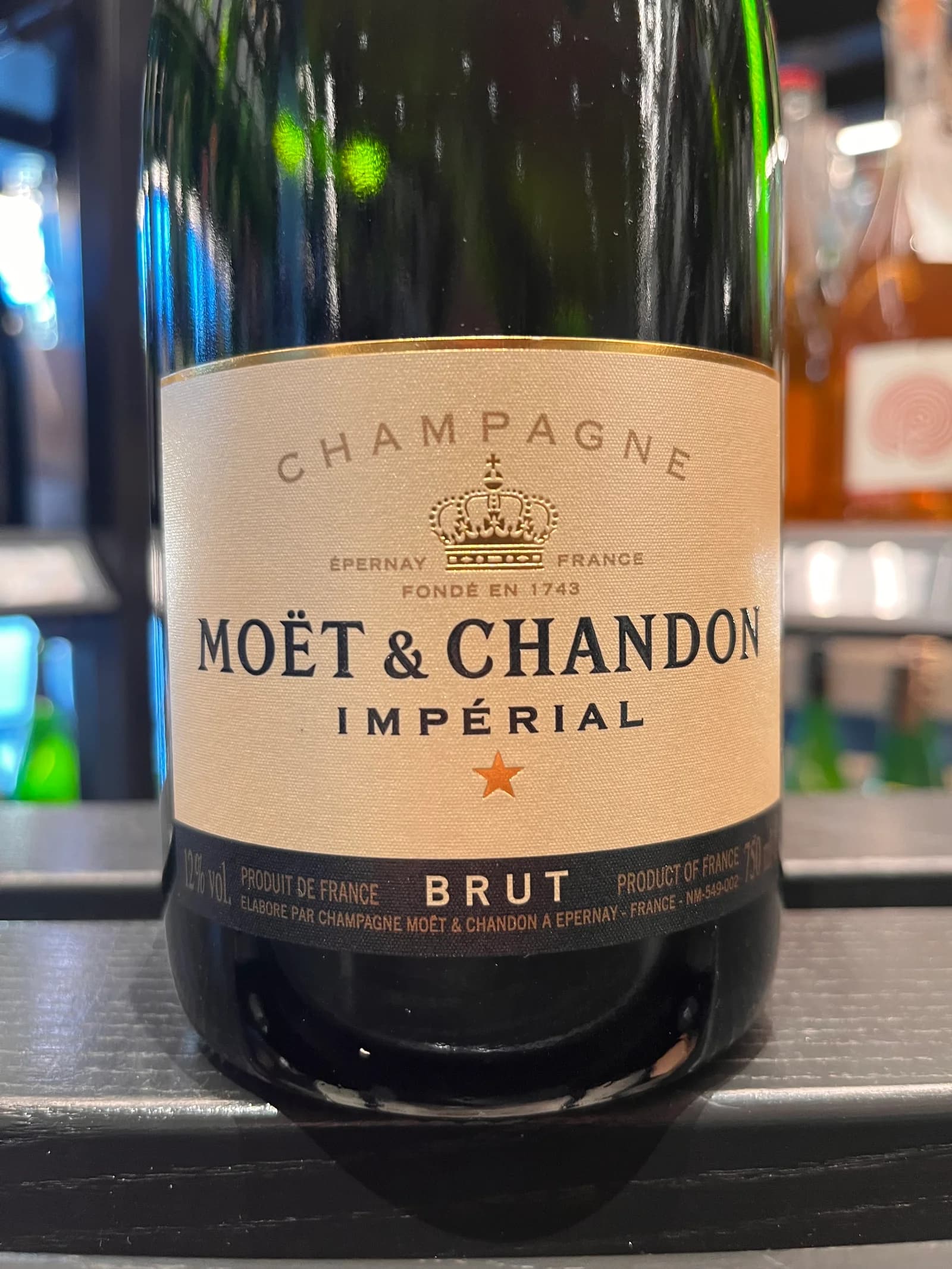
Benoît Gouez has been chef de cave since 2005, working with a team of ten winemakers on around 28 million bottles a year. The non-vintage Brut Impérial - around 9 g/L dosage, 20-30% reserve wines, assembled from more than a hundred base wines - is the volume centre of the range; around it sit Rosé Impérial, Nectar Impérial and Ice Impérial (both demi-sec around 45 g/L), and the vintage-declared Grand Vintage collection, which Gouez has built into a rolling release of older vintages rather than a single current release. Dom Pérignon is no longer bottled under Moët & Chandon - it runs as a standalone Maison within Moët Hennessy, with its own chef de cave (Vincent Chaperon since 2019, succeeding Richard Geoffroy).
Style-wise, big-house consistency is the identity. Short autolysis by prestige-cuvée standards, Pinot-led blends with Meunier and Chardonnay, bright fruit, an accessible mid-dosage. Not where you look for terroir-driven Champagne, but a reliable reference point for the category - and, at the scale they operate, the weather vane for the whole appellation.